 Fulfillment< @ >HQ Group

What is a fulfillment center in 2026?
If you're running an ecommerce brand, this question matters more than ever.Because today, a fulfillment center is not just a warehouse.
It's the engine behind your customer experience.
Let me break it down clearly.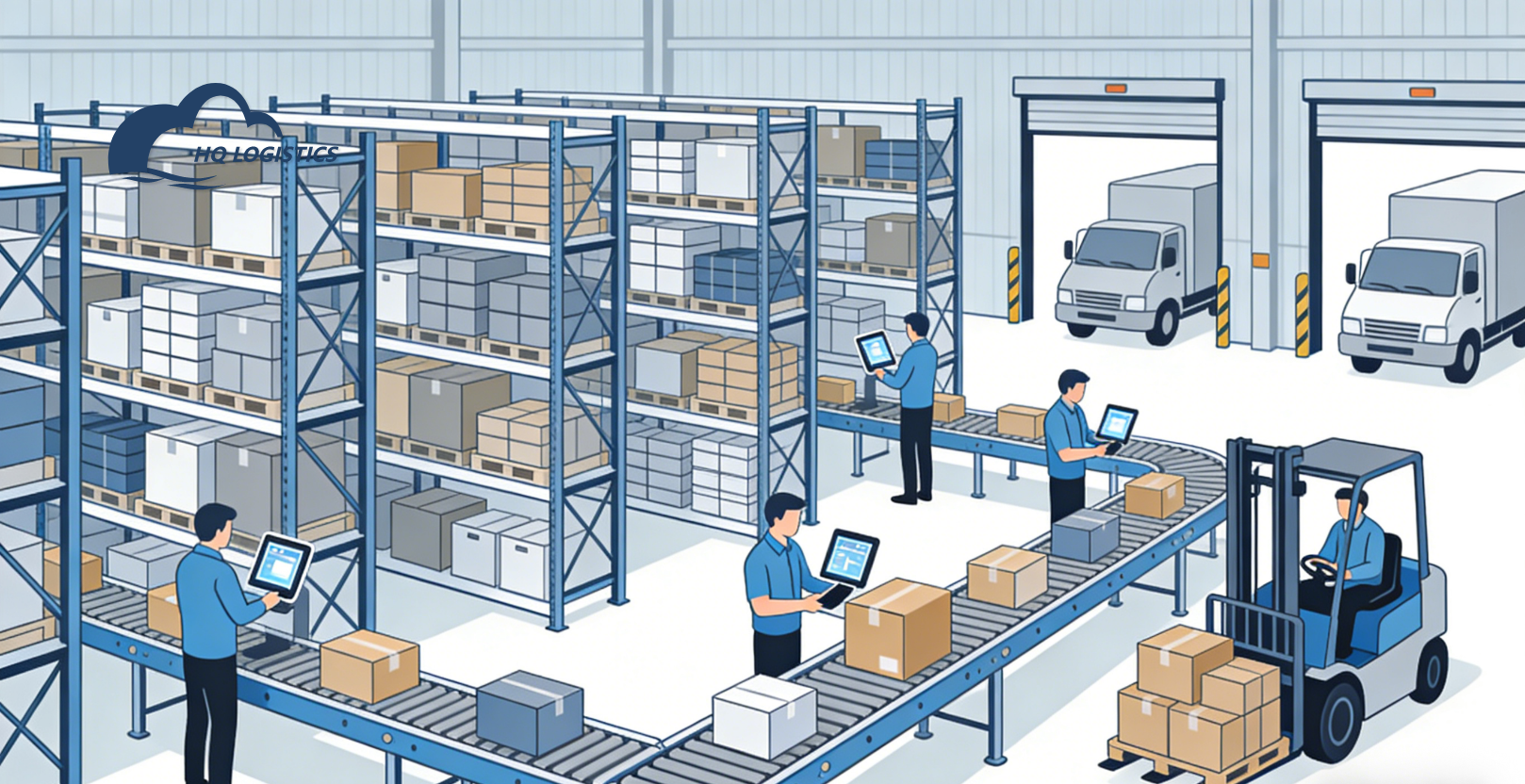
At the simplest level, a fulfillment center stores and ships your products.
But in 2026, it does much more.
A modern fulfillment center handles:
inventory storage | picking and packing | quality control (QC) | shipping label creation | carrier optimization | real-time tracking sync
If you're selling on Shopify or other ecommerce platforms, this backend system directly impacts:
delivery speed | refund rates | customer reviews | profit margins
Fulfillment is no longer “after checkout.”
It's part of your growth strategy.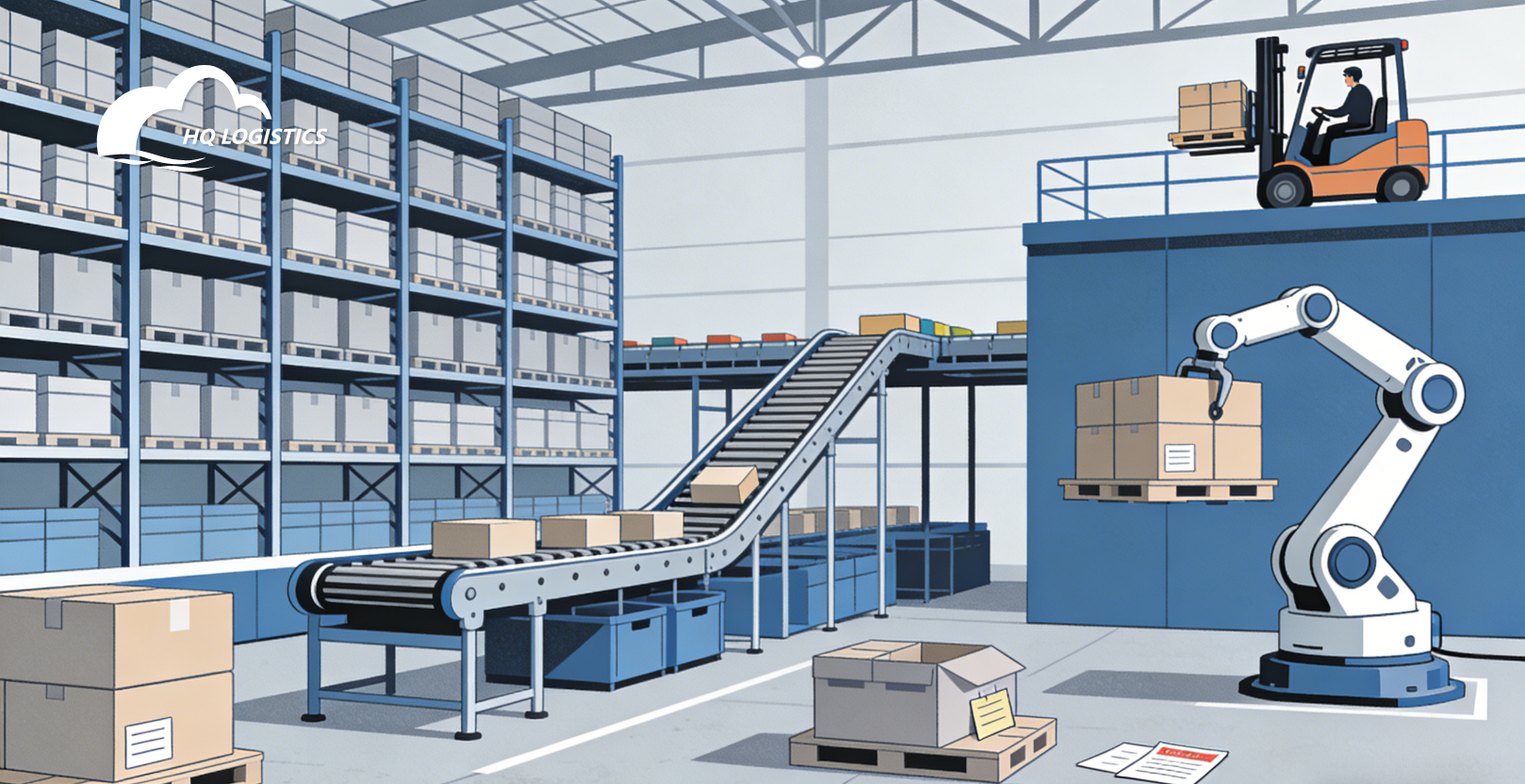
This is where many brands get confused.
A warehouse stores products.A fulfillment center stores, processes, and ships orders.
Big difference.
A warehouse is passive.A fulfillment center is operational.
It processes daily orders | It manages returns | It integrates with your store | It monitors inventory in real time.
If your goal is scaling, you need more than storage.
You need operations.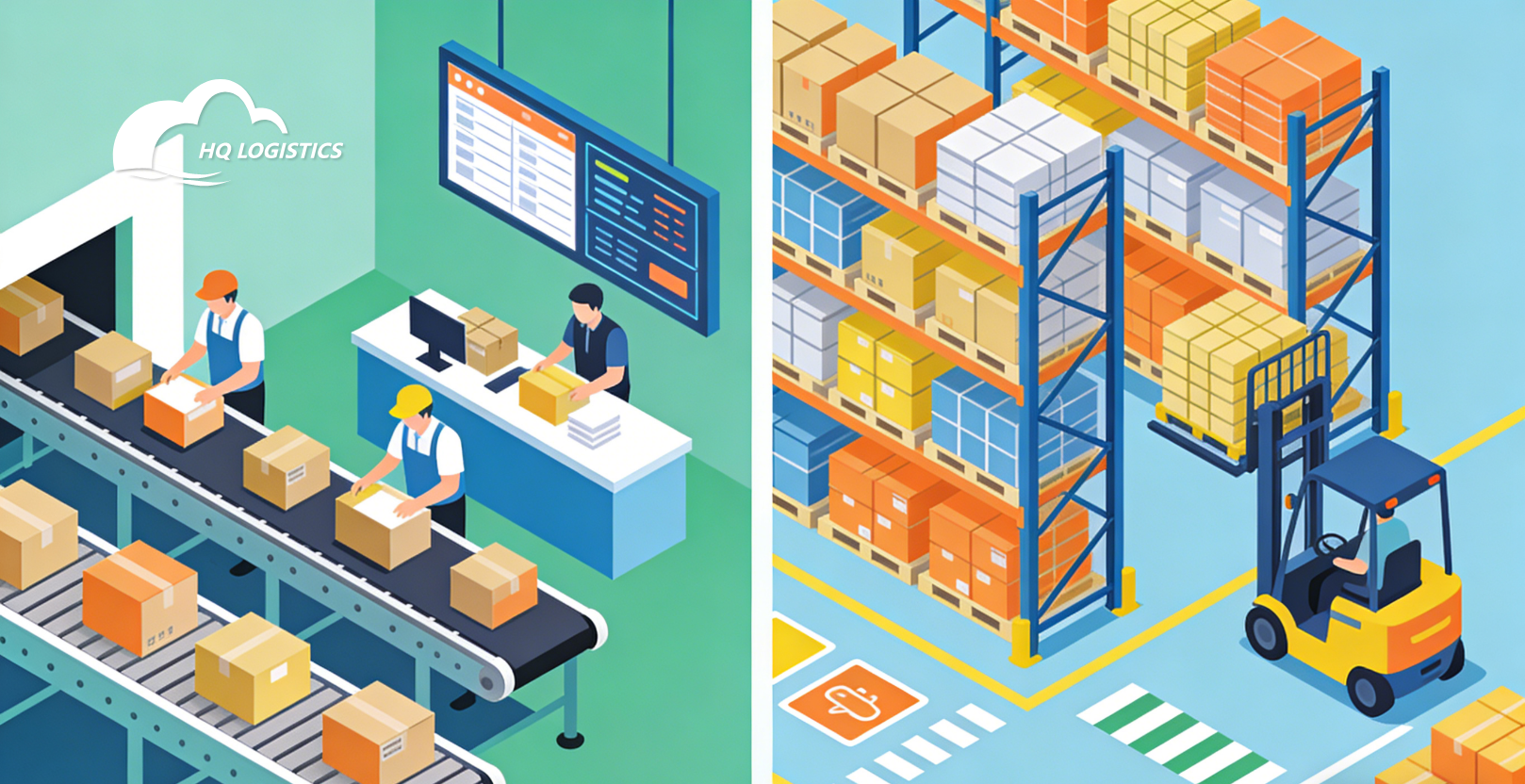
Compared to 2025, three things shifted.
7–10 day global delivery is now expected.Anything slower feels outdated.
That means fulfillment centers must: process orders same-day or next-day | use optimized shipping lines | pre-position inventory
Speed is no longer premium.It's baseline.
In the past, some sellers tracked inventory manually.
Spreadsheets | Delayed updates | Manual reconciliation.
That doesn't work at scale.
Modern fulfillment centers offer:live inventory dashboards | auto stock alerts | synced tracking
Without this, overselling becomes inevitable.
In 2026, packaging matters.Customers notice details.
Many fulfillment centers now offer: custom boxes | inserts | branded tape | kitting services
Brand experience starts in the warehouse.Not just on your website.
Most sellers think fulfillment is just a cost.
It's not.
It directly affects: shipping rates | error rates | return percentage | repeat purchase rate
I've seen brands reduce refund rates simply by adding QC inside the fulfillment workflow.
Same products.Better execution.That's the difference.
Here's my simple rule:
If you're shipping more than 10–15 orders per day consistently, it's time.
Why?
Because: manual packing wastes time | supplier-direct shipping slows delivery | inventory tracking becomes messy
A centralized fulfillment system creates stability.
Stability creates scalability.
No. Even growing brands benefit once order volume stabilizes.
Yes. Especially if inventory is pre-positioned in a China-based facility for faster global delivery.
Often yes. Consolidated shipping lines lower per-unit cost.
Waiting too long to upgrade operations.
So — what is a fulfillment center in 2026?
It's not storage.It's infrastructure.It controls speed.It protects margins.It shapes customer experience.
If you're serious about scaling your ecommerce brand this year,
start by upgrading what happens after checkout.
That's where real growth begins.
📩 Email: zoye@fulfillment-cn.com
Previous Recommendations





Don't wait until next year, grab the chance on 2025. Here are some recommended ecommerce topic you can choose.
Thanks to the support and trust from our customers. Flashback with our beloved partners.