 Fulfillment< @ >HQ Group

Q1 is one of the most challenging quarters for eCommerce brands.
After the holiday peak, sales often slow down.
Inventory from Q4 may still be sitting in storage.
Cash flow becomes tighter.
Logistics rates fluctuate.
In 2026, brands that protect their margins in Q1 are the ones that build smarter fulfillment systems — not just stronger marketing campaigns.
This is where 3PL (Third-Party Logistics) fulfillment services play a critical role.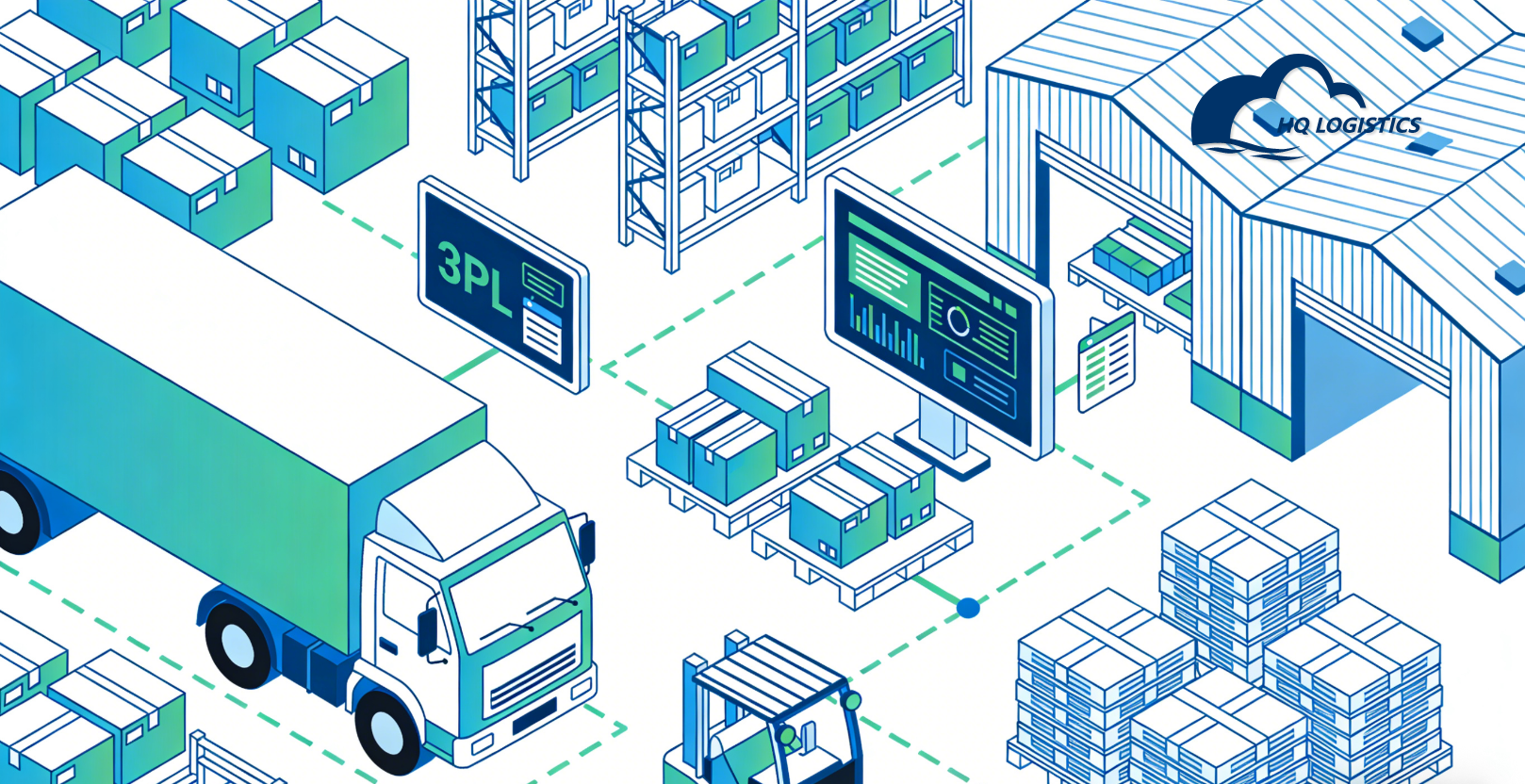
Running your own warehouse means paying for:
Rent
Staff salaries
Equipment
Software systems
Utilities
Even when order volume drops.
A 3PL spreads these costs across multiple clients. Instead of fixed overhead, you move to a variable cost structure — paying mainly for the space and services you actually use.
In Q1, when sales are unpredictable, flexibility reduces financial pressure.
Professional 3PL providers negotiate bulk shipping contracts and operate dedicated lines to major markets like the USA and EU.
This leads to:
Lower per-package shipping rates
Faster delivery times
More stable transit performance
Faster delivery also reduces refunds, disputes, and chargebacks — hidden costs that quietly eat into margins.
In Q1, protecting revenue is just as important as reducing expenses.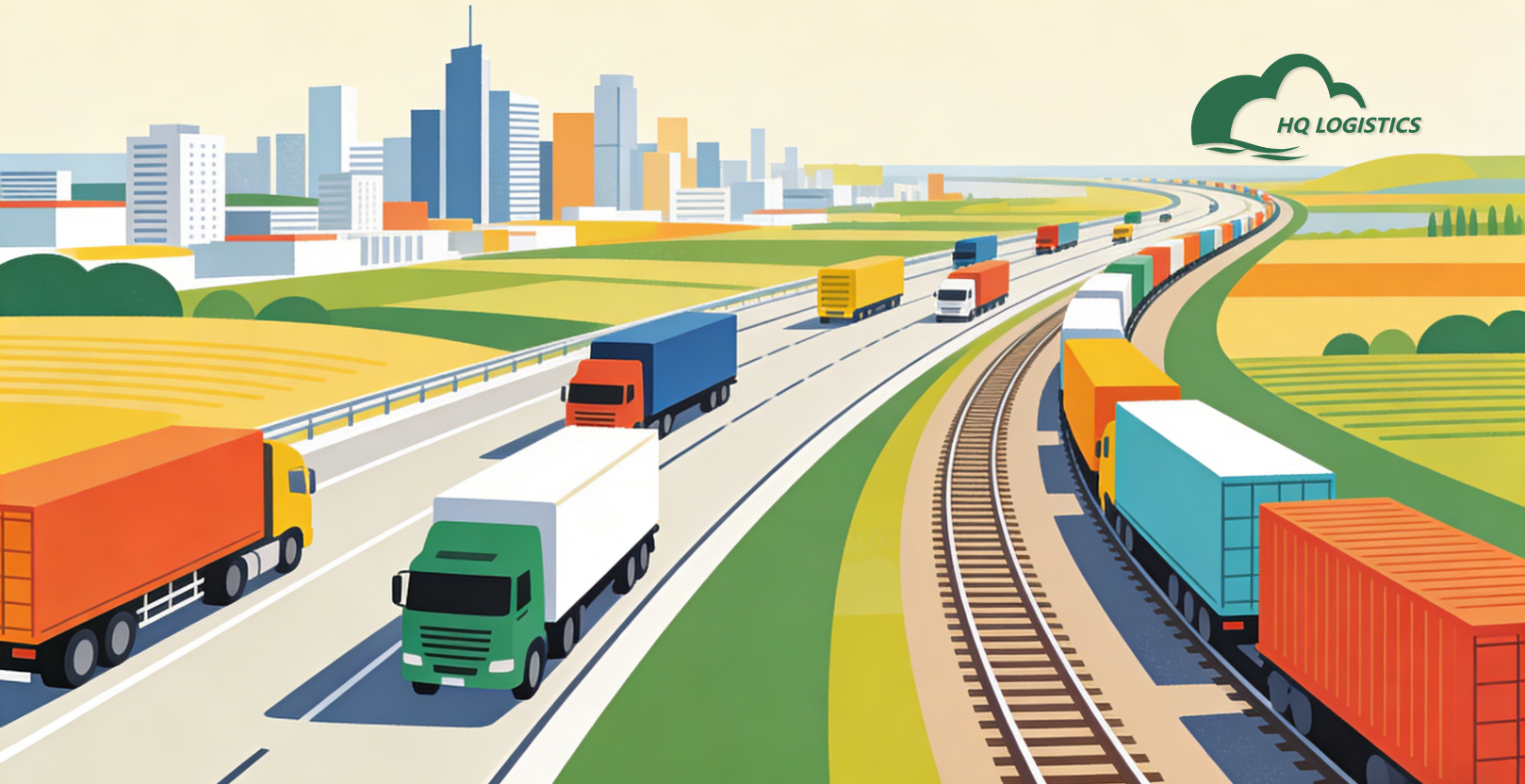
Many brands overstock after Q4 or miscalculate demand for Q1 promotions.
A 3PL system helps with:
Real-time inventory tracking
Multi-warehouse distribution
Data-based restocking suggestions
Regional inventory allocation
Proper allocation prevents:
Overstock storage fees
Emergency air shipping
Out-of-stock lost sales
Inventory efficiency directly impacts profitability.
Manual fulfillment processes often create:
SKU mismatches
Shipping delays
Tracking upload errors
Customer service overload
3PL systems integrate directly with platforms like Shopify, enabling:
Automatic order syncing
Real-time tracking updates
Faster processing (24–48 hours)
Reduced manual input
Automation lowers labor costs and minimizes expensive mistakes.
Operational efficiency becomes a competitive advantage.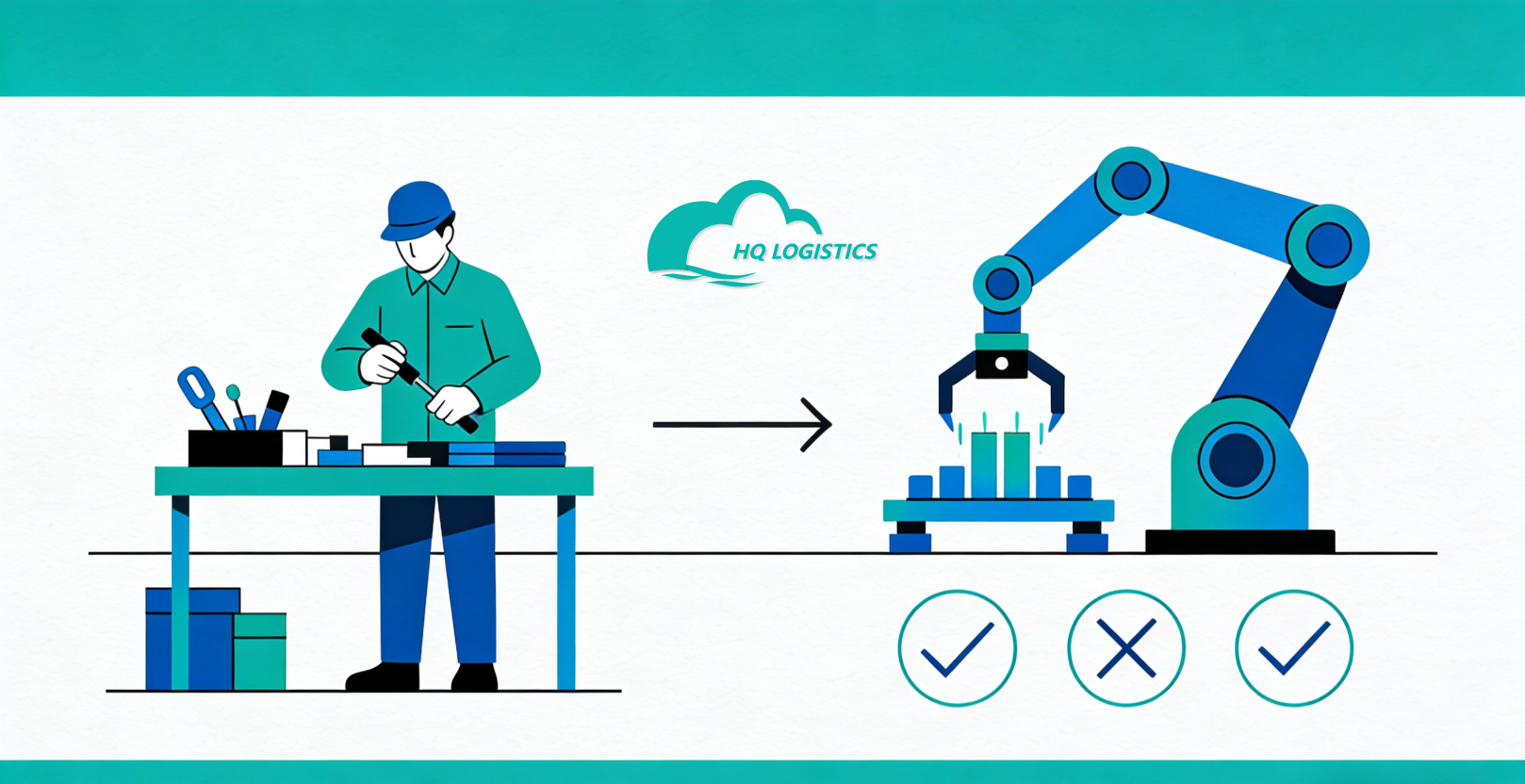
In Q1, cash flow is critical.
A 3PL model reduces the need for:
Large inventory pre-purchases
Fixed warehouse commitments
High staffing expenses
Instead of locking capital into infrastructure, brands can allocate funds to:
Product testing
Marketing campaigns
Market expansion
Flexibility preserves liquidity.
Q1 demand can fluctuate quickly due to:
Post-holiday behavior shifts
Seasonal campaigns (Valentine’s Day, Spring launches)
Advertising performance changes
With a 3PL, costs scale with order volume.
When orders rise, fulfillment scales.
When orders slow, expenses decrease accordingly.
This adaptability reduces financial risk.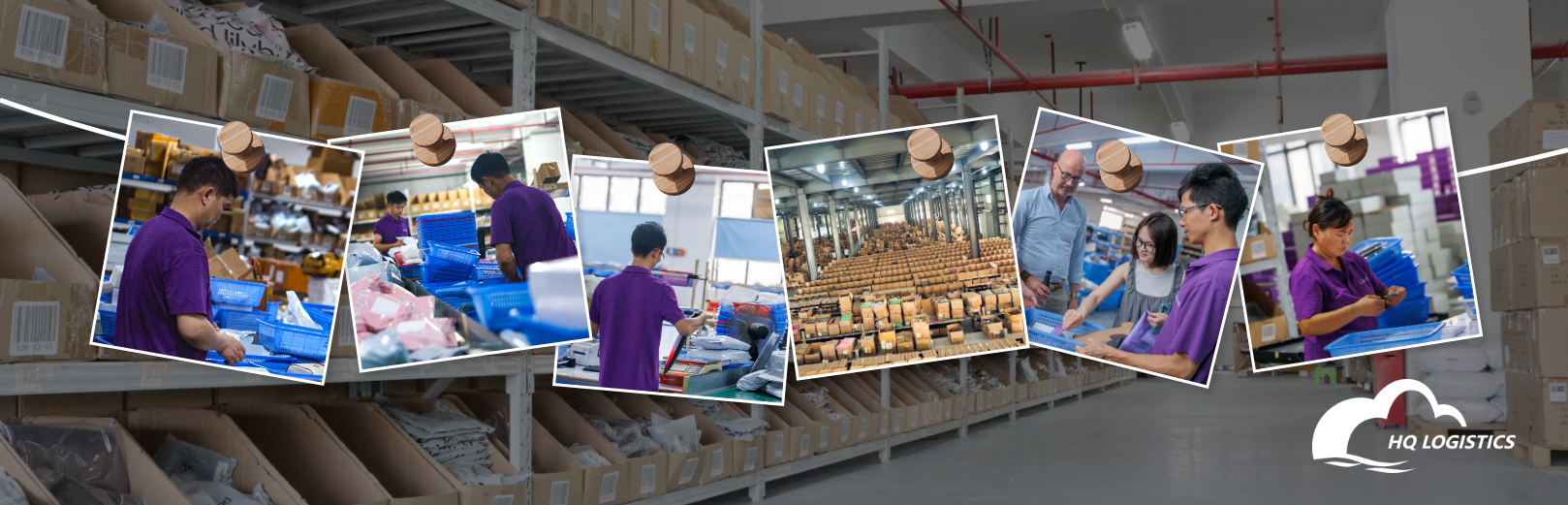
No. Even brands with 10–20 daily orders can benefit from automation and flexible warehousing, especially in volatile quarters like Q1.
In most cases, yes. Dedicated lines and optimized logistics networks often improve delivery speed compared to ad-hoc shipping methods.
By minimizing refunds, chargebacks, storage penalties, manual errors, and emergency shipments — all of which impact profit margins.
Q1 is actually ideal. It allows brands to restructure operations before major growth periods later in the year.
In 2026, cost reduction isn’t about cutting corners.
It’s about building smarter systems.
3PL fulfillment services help brands:
Lower fixed overhead
Improve shipping efficiency
Optimize inventory
Reduce operational risk
Protect cash flow
Q1 separates reactive brands from strategic ones.
If your goal is stronger margins and scalable growth, fulfillment optimization isn’t optional — it’s foundational.
📩 Email: zoye@fulfillment-cn.com
Previous Recommendations





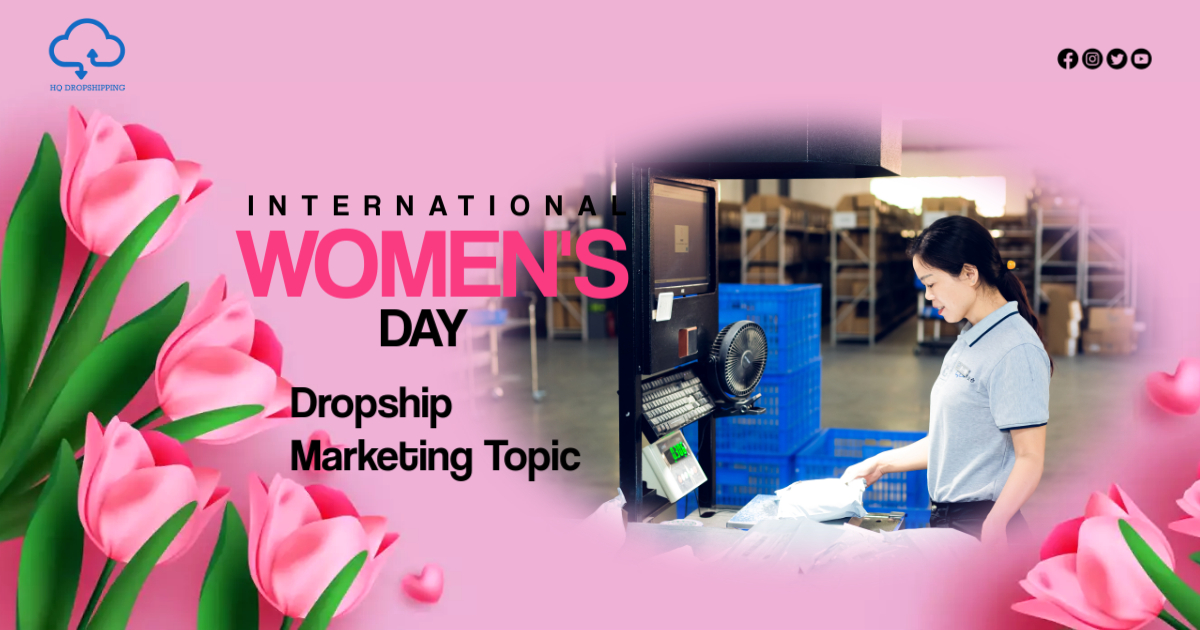
Don't wait until next year, grab the chance on 2025. Here are some recommended ecommerce topic you can choose.
Thanks to the support and trust from our customers. Flashback with our beloved partners.