 Fulfillment< @ >HQ Group

Event-based ecommerce creates exciting opportunities for online sellers. Major global events such as the 2026 FIFA World Cup can cause sudden spikes in demand, especially for themed or trending products.
However, these traffic surges also create operational pressure. Orders increase quickly, shipping expectations become stricter, and fulfillment mistakes can damage customer experience.
One of the biggest decisions ecommerce sellers face is whether to handle fulfillment in-house or partner with a 3PL provider.In this article, we explore the differences between these two approaches and which one works best for event-driven sales.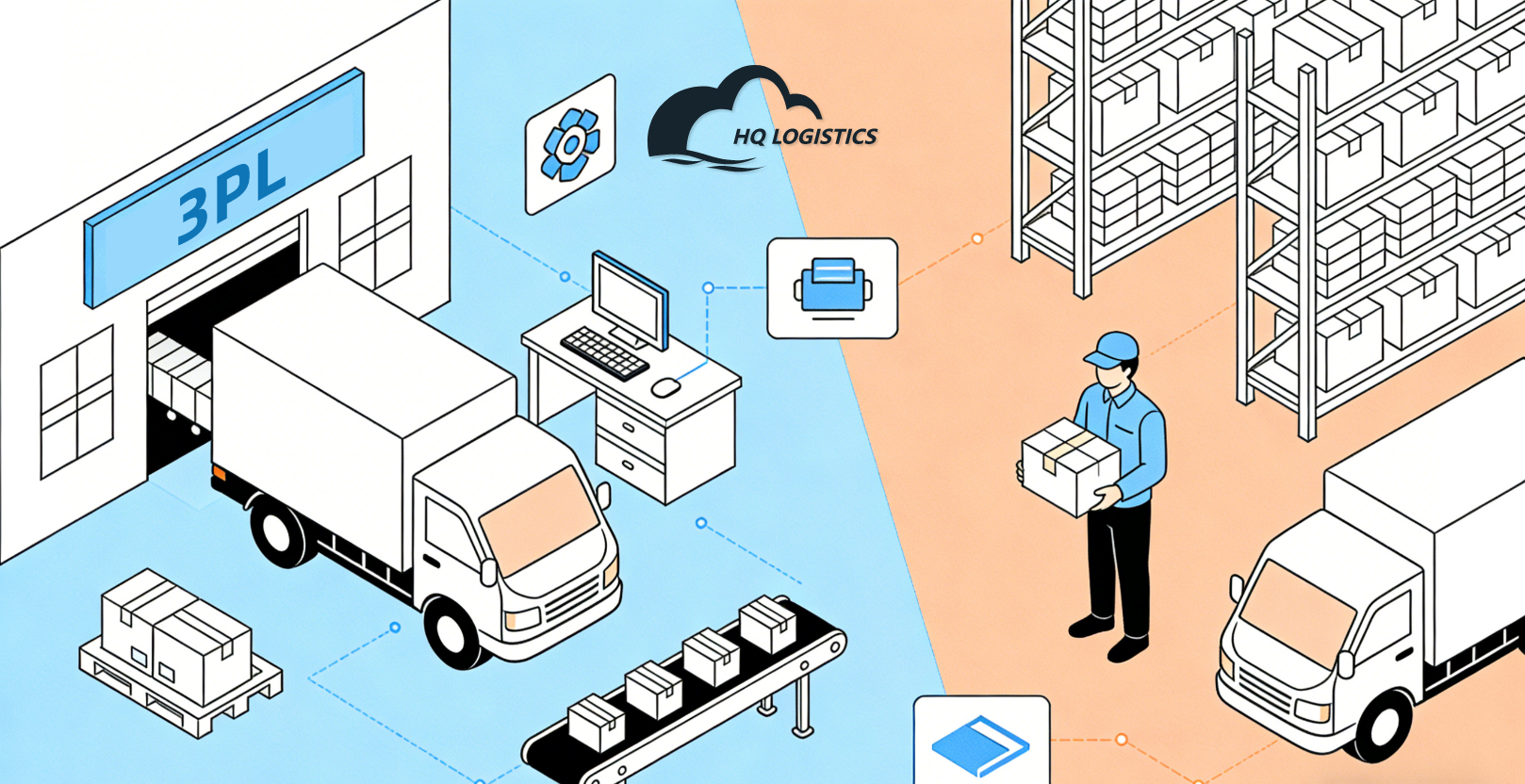
Event-based ecommerce refers to sales that spike due to major global events. Examples include sporting tournaments, holiday seasons, or viral trends.
During events like the FIFA World Cup, sellers often experience:
Sudden traffic surges
Rapid increases in order volume
Short delivery expectations
High customer demand for trending products
Because these sales periods are time-sensitive, fulfillment efficiency becomes critical.
In-house fulfillment means a seller manages the entire order process internally.
This includes:
Inventory storage
Order picking and packing
Shipping label creation
Carrier coordination
Customer tracking updates
For small businesses or new stores, in-house fulfillment can offer full control over operations.
More operational control
Businesses manage inventory, packaging, and shipping processes directly.
Lower upfront service costs
There are no third-party service fees.
Custom packaging flexibility
Brands can easily include personalized inserts or branding materials.
While in-house fulfillment works at small scale, it can become difficult during large events.
Common challenges include:
Limited warehouse space
Slow order processing during spikes
Staffing limitations
Higher shipping management complexity
During major events like the 2026 FIFA World Cup, these issues can lead to delays and dissatisfied customers.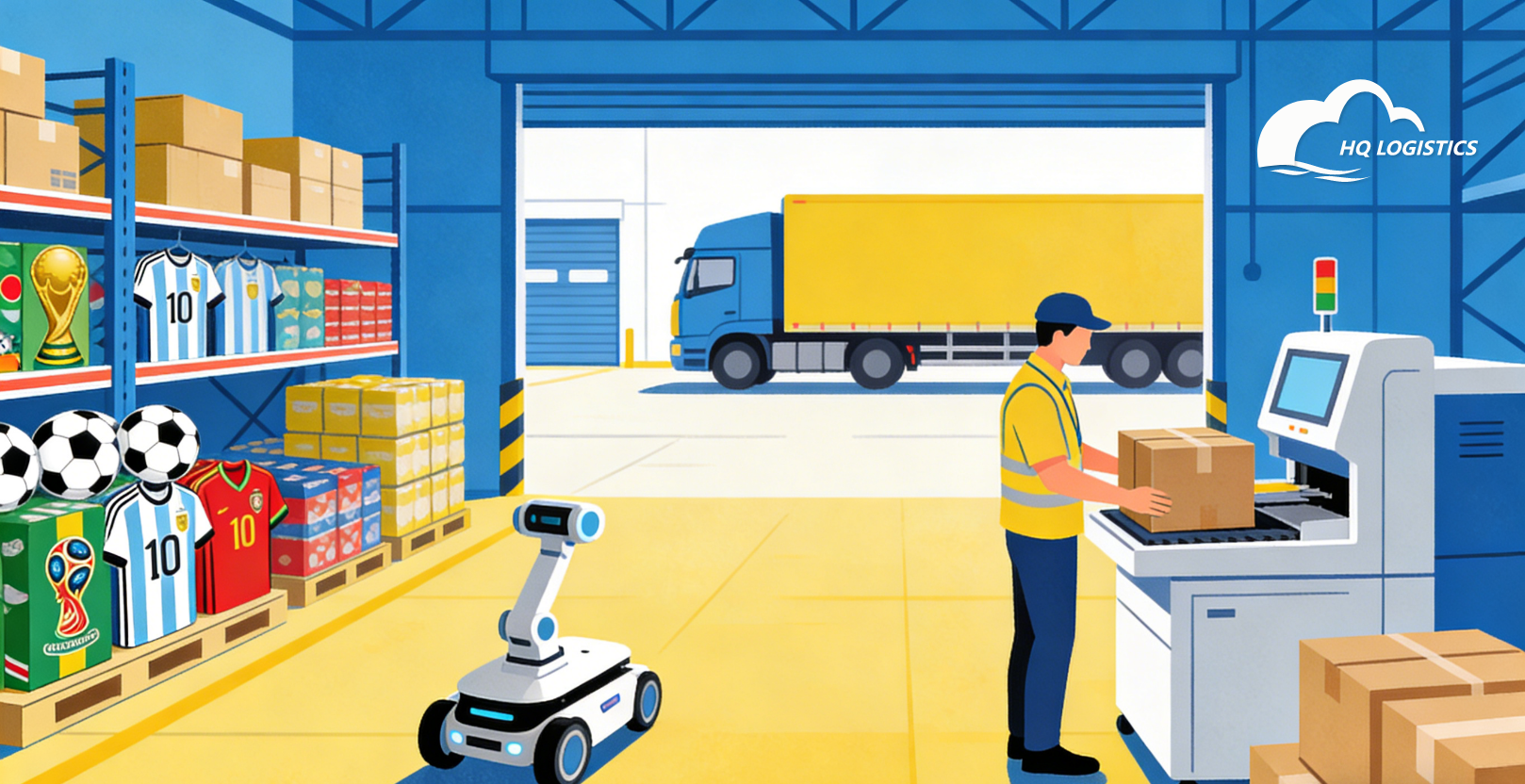
Third-party logistics (3PL) providers handle fulfillment operations on behalf of ecommerce businesses.
A 3PL partner typically manages:
Warehousing
Inventory management
Order processing
Packaging
Global shipping
Tracking updates
Instead of managing logistics internally, sellers outsource operations to specialized fulfillment providers.
One of the biggest advantages of a 3PL is the ability to scale quickly.
When orders increase during event-driven campaigns, a 3PL warehouse can process higher volumes without requiring the seller to hire additional staff.
Professional fulfillment centers often process orders within 24–48 hours, helping sellers meet customer expectations during high-demand periods.
Many 3PL providers offer international shipping options, allowing ecommerce businesses to sell globally without managing complex logistics.
Most modern fulfillment systems integrate directly with ecommerce platforms such as Shopify. Orders sync automatically, and tracking numbers update in real time.
This automation is particularly useful during peak sales periods.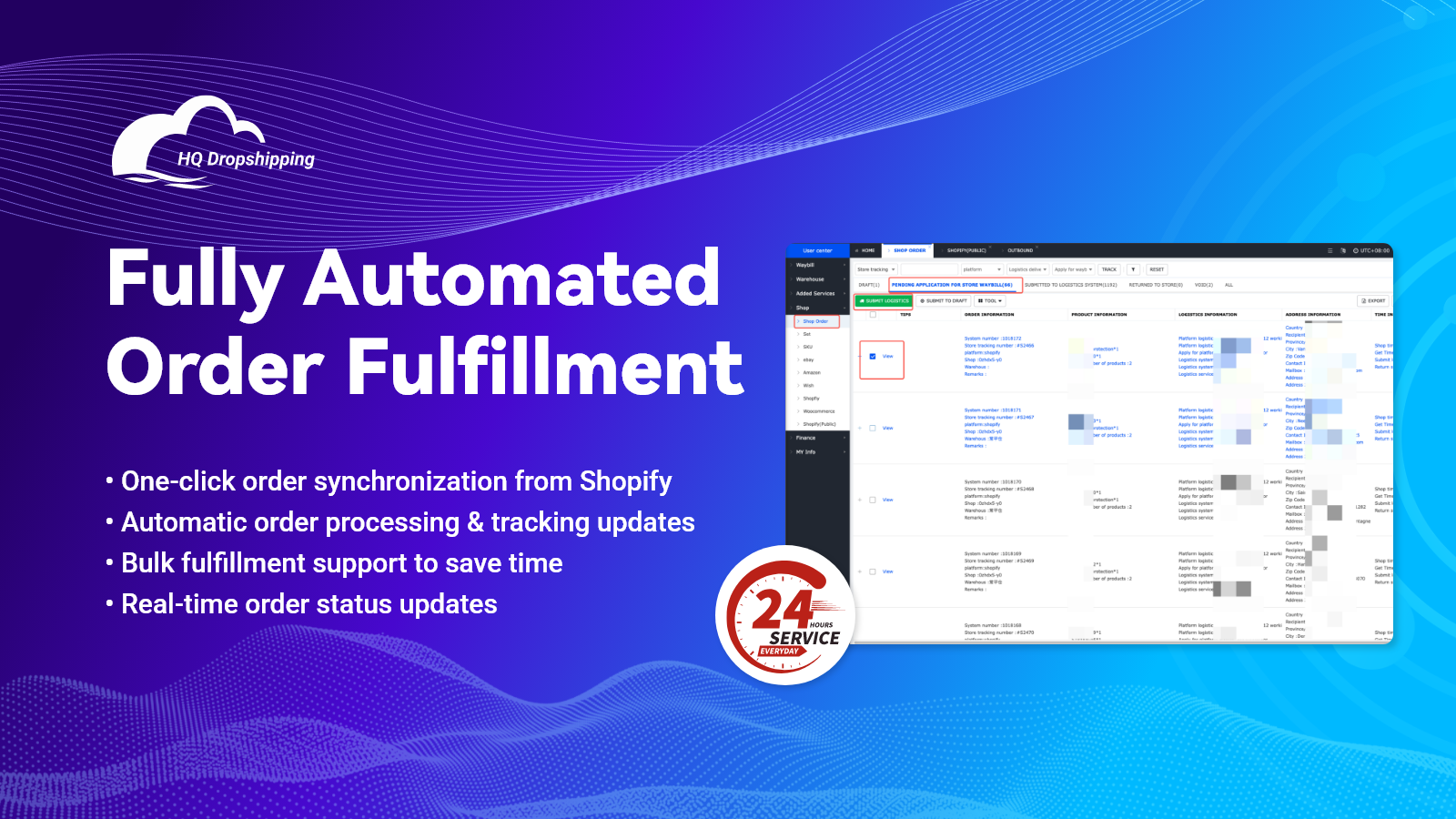
Despite the advantages of 3PL services, in-house fulfillment can still work well in certain situations.
For example:
Very small order volumes
Highly customized products
Early-stage startups testing products
In these cases, managing fulfillment internally may be more cost-effective.
Many ecommerce sellers transition to a 3PL when they begin experiencing growth.
Common signals include:
Daily orders consistently increasing
Frequent inventory management challenges
Shipping delays during promotions
Difficulty handling seasonal demand spikes
During large global events like the 2026 FIFA World Cup, these operational pressures often become more noticeable.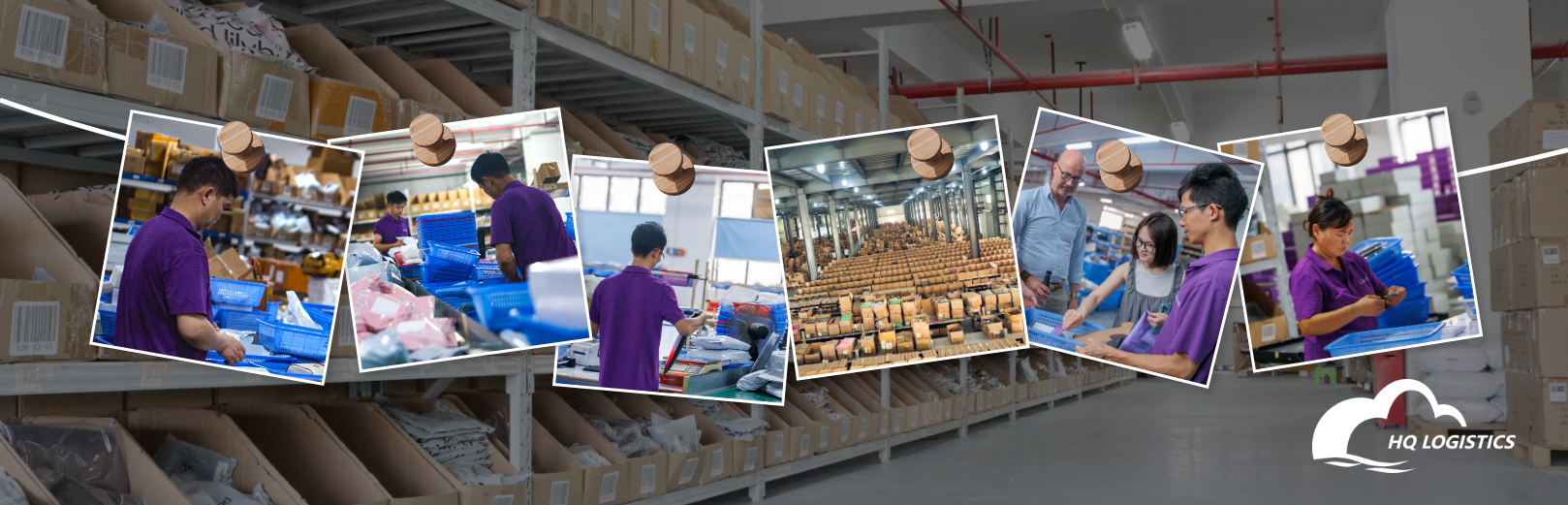
What is the main difference between 3PL and in-house fulfillment?
In-house fulfillment means the seller manages logistics internally, while a 3PL provider handles warehousing, order processing, and shipping.
Is 3PL better for high-volume sales events?
Yes. 3PL providers are designed to handle large order volumes and sudden traffic spikes.
Can small ecommerce stores use 3PL services?
Yes. Many fulfillment providers offer flexible solutions with no minimum order requirements.
Does using a 3PL improve shipping speed?
In many cases, yes. Professional fulfillment networks often have optimized logistics routes and faster processing times.
Is switching to a 3PL complicated?
Most modern 3PL providers offer direct integrations with ecommerce platforms, making the transition relatively simple.
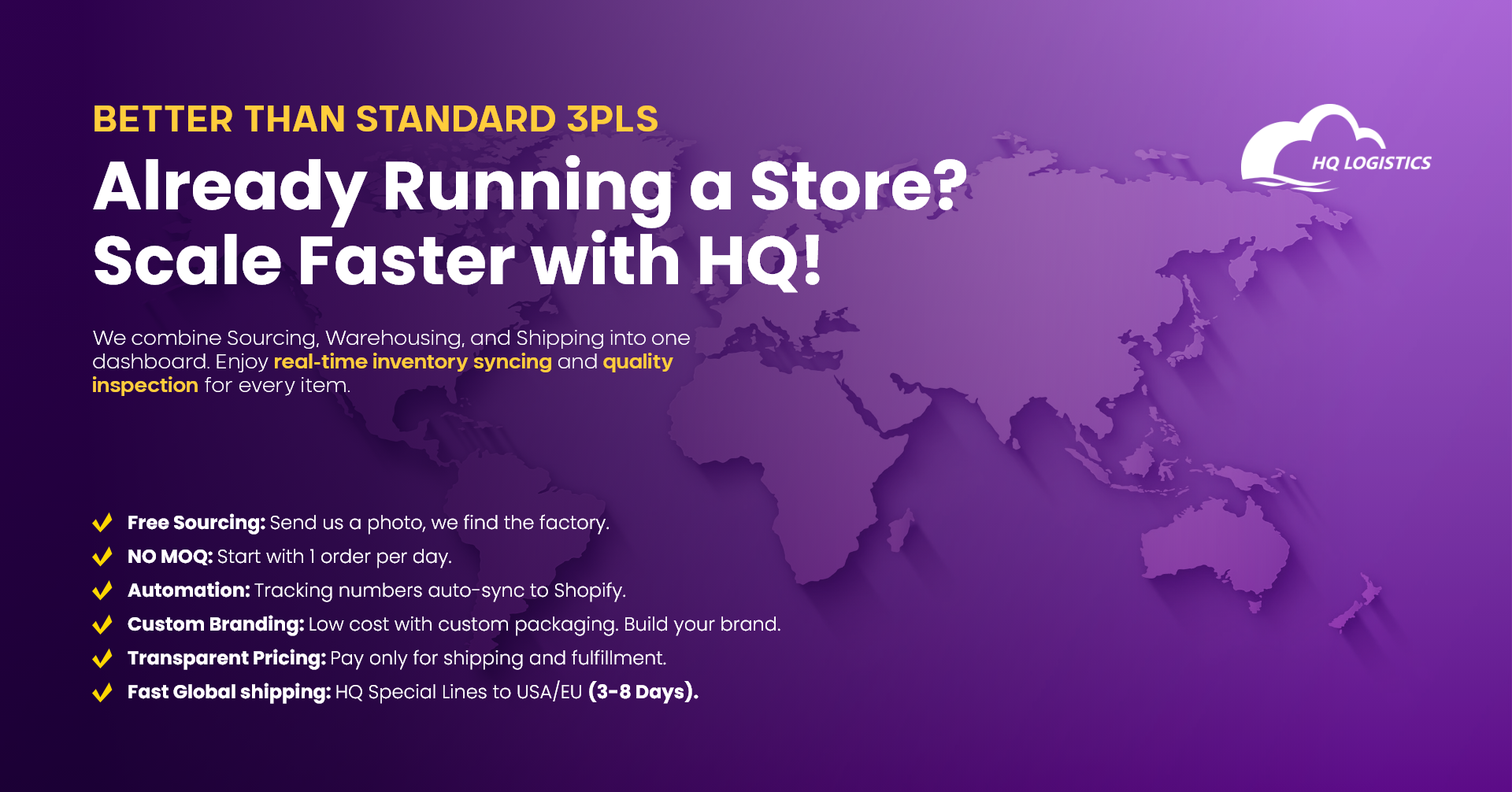
Event-driven ecommerce can generate significant revenue, but it also puts pressure on fulfillment operations.
While in-house fulfillment offers control and flexibility, it can struggle to keep up during large traffic spikes. On the other hand, 3PL fulfillment providers offer scalable infrastructure, faster processing, and automated logistics systems.
For sellers preparing for global events such as the 2026 FIFA World Cup, choosing the right fulfillment strategy can determine whether a campaign succeeds or fails.
By planning logistics in advance and selecting the right fulfillment model, ecommerce businesses can confidently handle event-based sales and deliver a better customer experience. 🚀📦
📩 Email: zoye@fulfillment-cn.com
Previous Recommendations





Don't wait until next year, grab the chance on 2025. Here are some recommended ecommerce topic you can choose.
Thanks to the support and trust from our customers. Flashback with our beloved partners.