 Fulfillment< @ >HQ Group

Back-to-school season is more than a short sales event.
For Shopify brands selling in the U.S., it can be a major opportunity to increase orders, attract new customers, and build momentum heading into Q4.
But there is a challenge.
Back-to-school demand is often concentrated within a relatively short period. Customers may need backpacks, school supplies, clothing, electronics, accessories, and other products by a specific date.
That means fulfillment speed matters almost as much as the product itself.
A great product that arrives late can still create a poor customer experience.
For Shopify brands, the key is not simply having more inventory.
It's building a U.S. fulfillment strategy that can handle demand quickly, accurately, and profitably.
Here are 7 ways to optimize U.S. fulfillment and scale your Shopify brand during back-to-school season.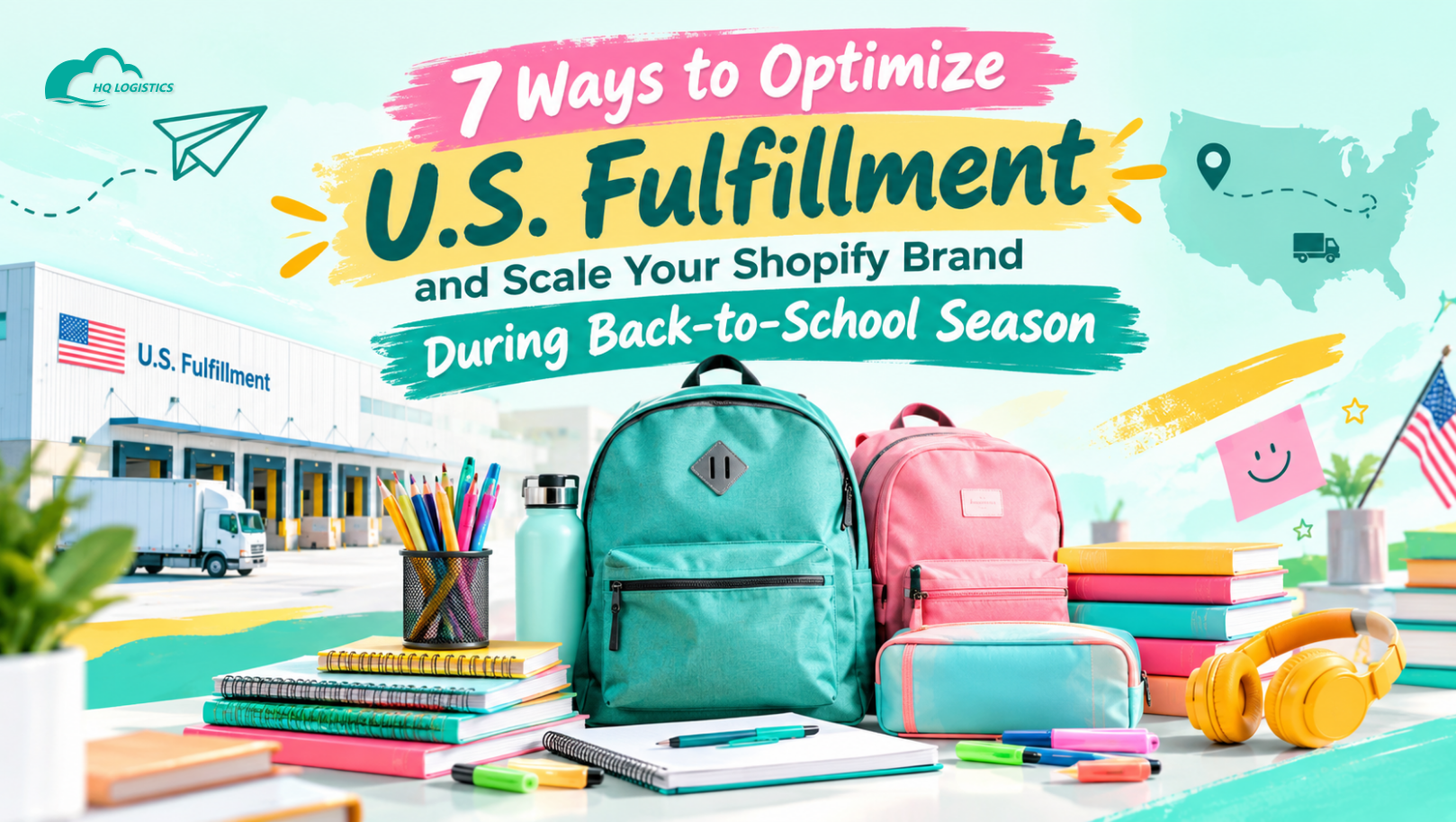
Back-to-school shopping has become increasingly digital, while customers still expect reliable delivery, clear timelines, and easy returns.
Shopify notes that back-to-school creates concentrated demand and that students and families often need products by specific dates. That makes reliable fulfillment particularly important during this season.
For a Shopify brand shipping from China, relying entirely on cross-border fulfillment can create additional challenges:
Longer delivery times → More customer questions → Higher support workload → Greater risk of missed deadlines
A U.S. warehouse can change the equation.
Instead of shipping every order internationally after purchase, you can position inventory closer to your customers and fulfill U.S. orders domestically.
The result can be a more responsive fulfillment system.
The first step to better fulfillment isn't in the warehouse.
It's in your inventory plan.
Back-to-school demand can change quickly based on promotions, product trends, advertising, and the timing of the school calendar.
Shopify recommends using historical sales, promotions, product launches, and other demand signals to forecast upcoming order volume. It also recommends sharing demand forecasts with fulfillment providers so they can prepare inventory and resources for spikes.
Start by reviewing:
Last year's back-to-school sales | Current year-over-year growth | Best-selling SKUs | Average daily orders | Planned promotions | Advertising budget | Product launches | Sales by state or region | Historical stockouts
Then divide your products into three groups:
Products with consistent demand.
Keep stronger inventory coverage.
Products showing increasing sales.
Prepare additional safety stock.
Products with uncertain demand.
Start smaller and replenish based on actual sales.
The goal isn't to predict every order perfectly.
It's to avoid the two biggest problems:
Too little inventory → Lost sales
Too much inventory → Higher carrying costs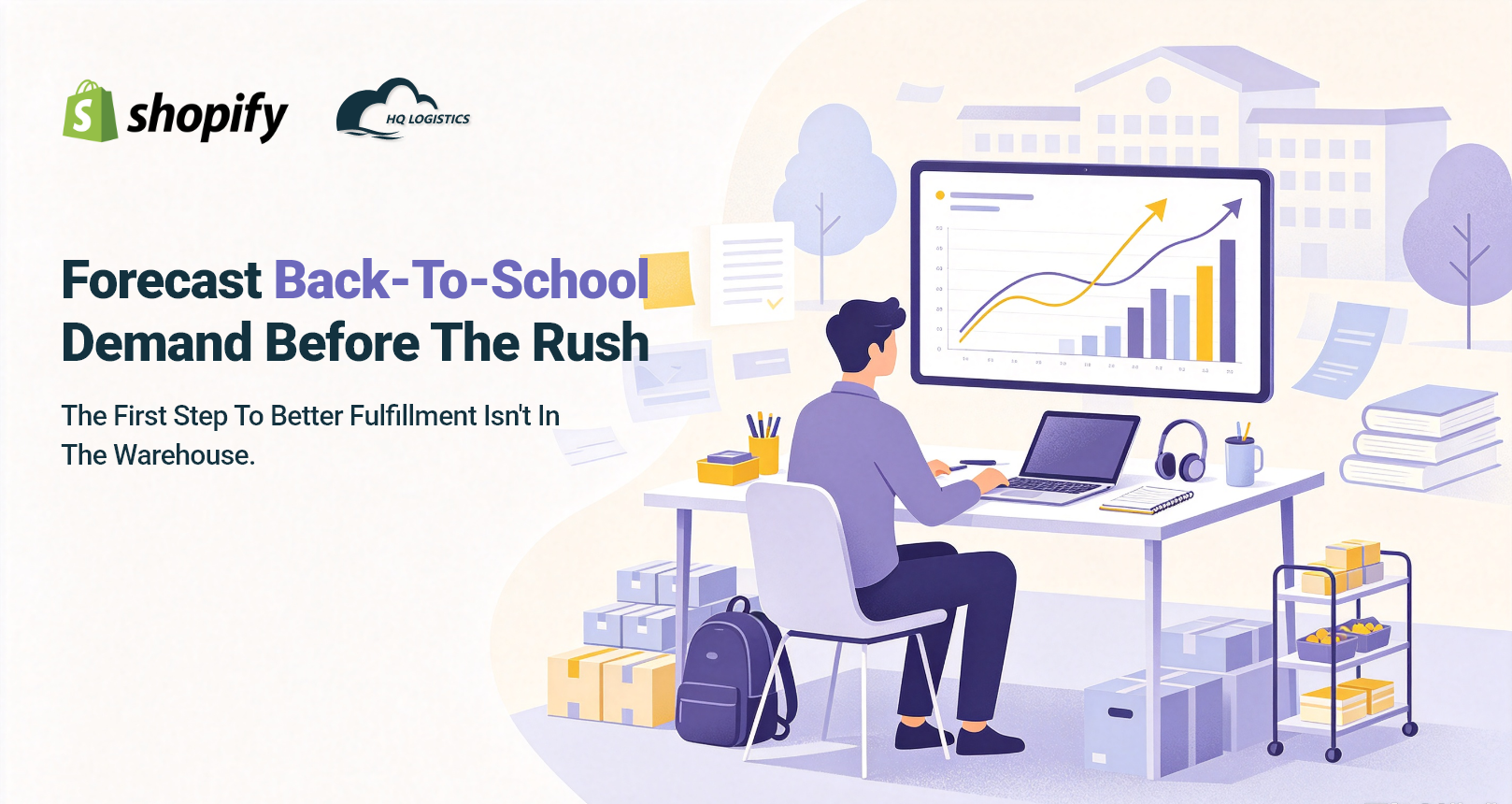
If most of your customers are in the United States, keeping your fastest-moving products close to those customers can improve fulfillment efficiency.
Instead of:
China Warehouse → International Shipping → U.S. Customer
You can create:
China Sourcing → U.S. Warehouse → U.S. Customer
This can be especially valuable for products with predictable back-to-school demand.
For example:
Backpacks | School Supplies | Apparel | Electronics Accessories | Lunch Bags | Dorm Products | Stationery
Not every SKU needs to move to the U.S.
Focus on the products that have:
High sales velocity | Predictable demand | Strong margins | Low return rates | Regular U.S. orders
Shopify's current fulfillment guidance emphasizes localizing inventory closer to customers as one way to improve fulfillment speed.
The objective isn't simply to have a U.S. warehouse.
It's to put the right inventory in the right location.
One of the biggest risks during back-to-school season is running out of a bestseller at the exact moment demand peaks.
Imagine your backpack campaign suddenly takes off.
Orders increase.
Your ads are converting.
But your U.S. warehouse has only 100 units left.
Your next shipment won't arrive for two weeks.
The result?
Lost sales.
And potentially disappointed customers.
Shopify recommends using demand forecasting, reorder points, and safety stock to reduce the risk of stockouts.
A simple inventory formula is:
Reorder Point = Average Daily Sales × Replenishment Lead Time + Safety Stock
For example:
If you sell 50 units per day and replenishment takes 10 days:
50 × 10 = 500 units
You then add an appropriate safety-stock buffer based on demand volatility.
Your fulfillment partner should also monitor:
Available Inventory → Committed Inventory → Incoming Inventory → Reorder Point
This gives you a clearer picture of when action is needed.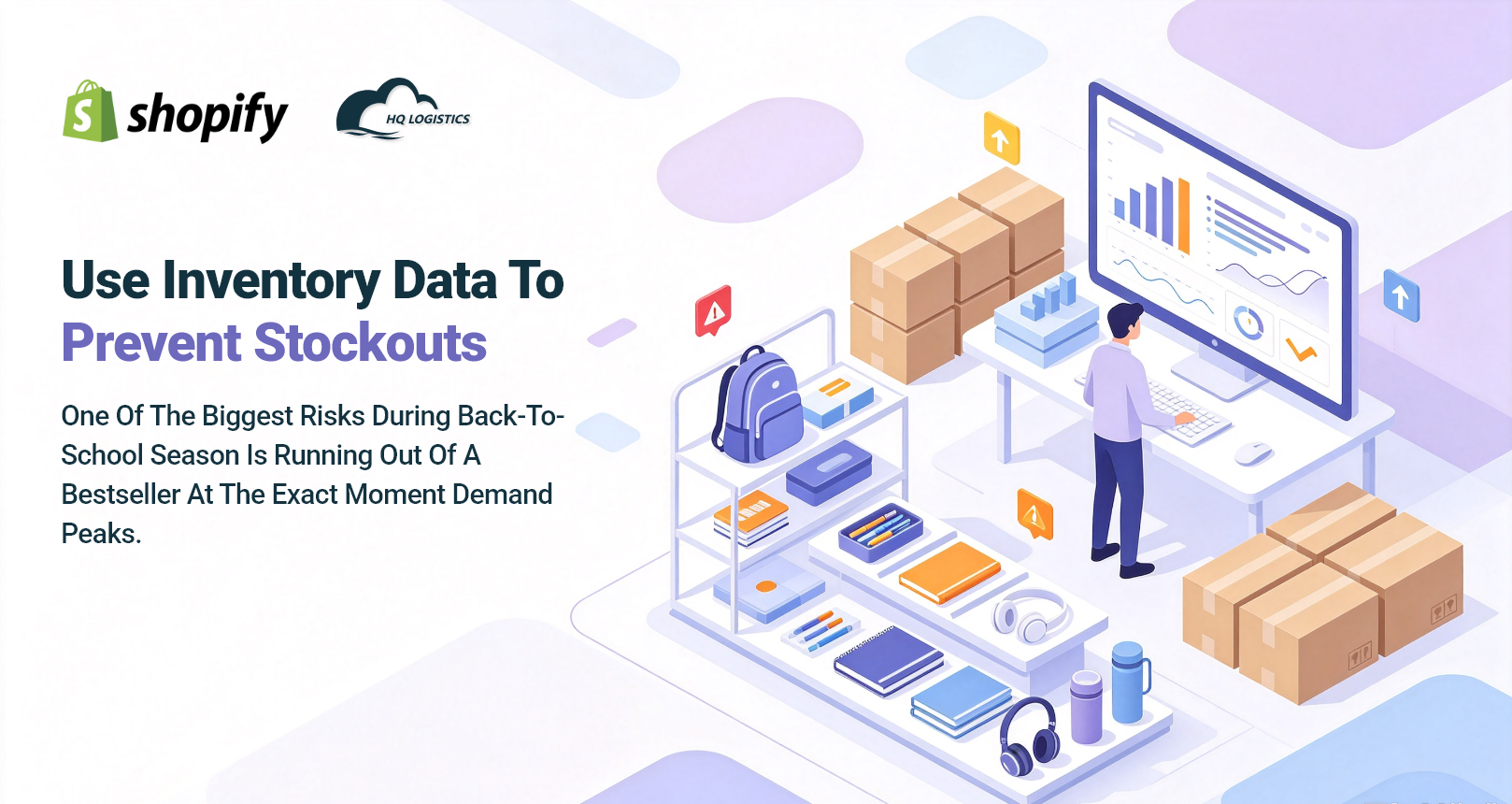
Getting inventory into the U.S. is only half the job.
Your warehouse also needs to process orders efficiently.
During back-to-school season, a few operational bottlenecks can quickly create a backlog.
Common problems include:
Slow picking | Poor SKU organization | Packaging shortages | Manual order processing | Incorrect products | Delayed tracking updates | Insufficient warehouse staff
Shopify's fulfillment guidance highlights inventory organization, picking accuracy, and efficient fulfillment workflows as important parts of improving order delivery.
A strong U.S. fulfillment workflow should include:
Order Received → Inventory Confirmed → Pick → Quality Check → Pack → Label → Ship → Tracking Sync
For high-volume products, warehouse teams can also place bestsellers in easily accessible pick locations.
The less time your team spends searching for products, the faster orders can move out.
Not every SKU deserves the same fulfillment strategy.
Your top-selling back-to-school products should receive priority.
For example:
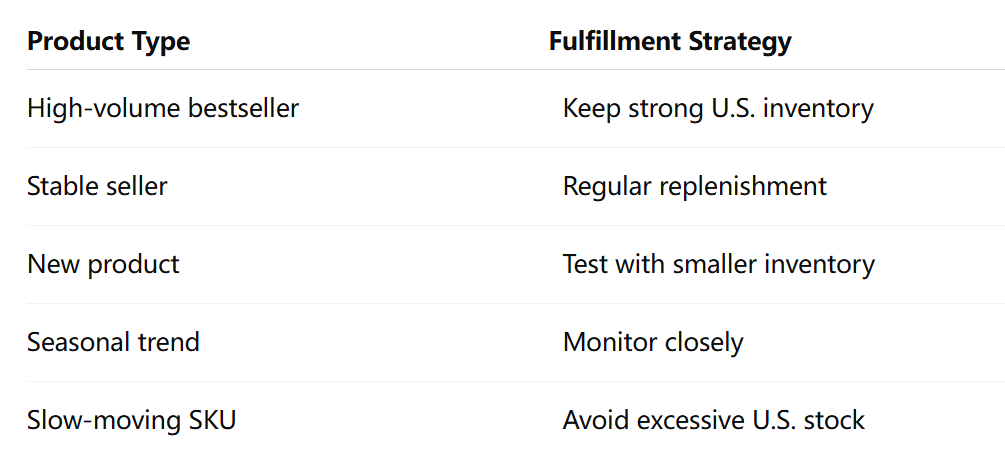
This approach helps you avoid tying up too much cash in slow-moving products.
It also allows your warehouse space to work harder.
Shopify notes that inventory carrying costs can become significant when products sit too long, while stockouts can also lead to missed sales.
The goal isn't maximum inventory.
It's maximum inventory efficiency.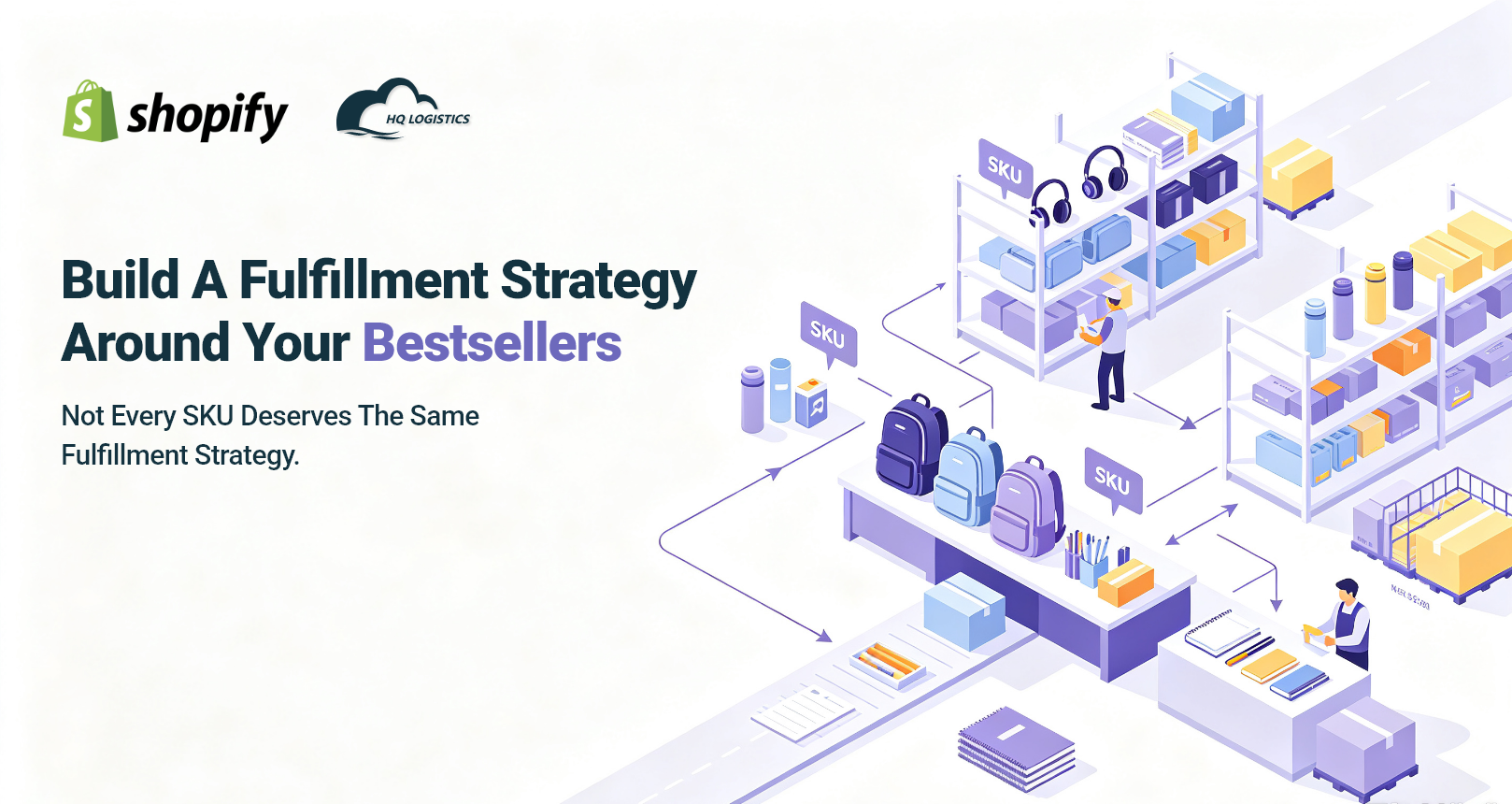
As order volume grows, manual inventory management becomes increasingly risky.
You need to know:
How many units are available?
Which warehouse has the inventory?
Which orders have already been fulfilled?
Which products are approaching the reorder point?
How much inventory is incoming?
A connected Shopify fulfillment system can help keep inventory and order information synchronized.
Shopify's current inventory tools emphasize centralized inventory visibility, real-time stock updates, and order routing across locations.
For growing brands, the workflow can look like:
Shopify Order → Automatic Order Sync → U.S. Warehouse → Pick & Pack → Shipment → Tracking Sync → Customer
This reduces manual work and gives your team better visibility.
It also makes it easier to identify problems before they become customer complaints.
The biggest fulfillment mistake is waiting until orders increase to start preparing.
By then, it may already be too late.
A better approach is to create a simple preparation timeline.
Review:
Previous sales | Product trends | Bestsellers | Supplier lead times | U.S. inventory requirements | Planned promotions
Confirm your replenishment plan.
Move priority inventory into the U.S.
Confirm:
Warehouse capacity | Packaging materials | Product labels | Pick-and-pack workflow | Shipping options
Test your Shopify order integration.
Monitor actual sales closely.
Compare:
Forecast vs. Actual Orders
If demand is higher than expected, adjust replenishment and fulfillment capacity early.
Shopify recommends updating forecasts regularly during peak periods rather than treating the original forecast as fixed.
Monitor daily:
Orders → Inventory → Fulfillment Rate → Shipping → Delivery → Returns
Watch especially for:
Fast-selling SKUs | Low-stock products | Fulfillment backlogs | Shipping delays | High-return products
The faster you identify a problem, the easier it is to fix.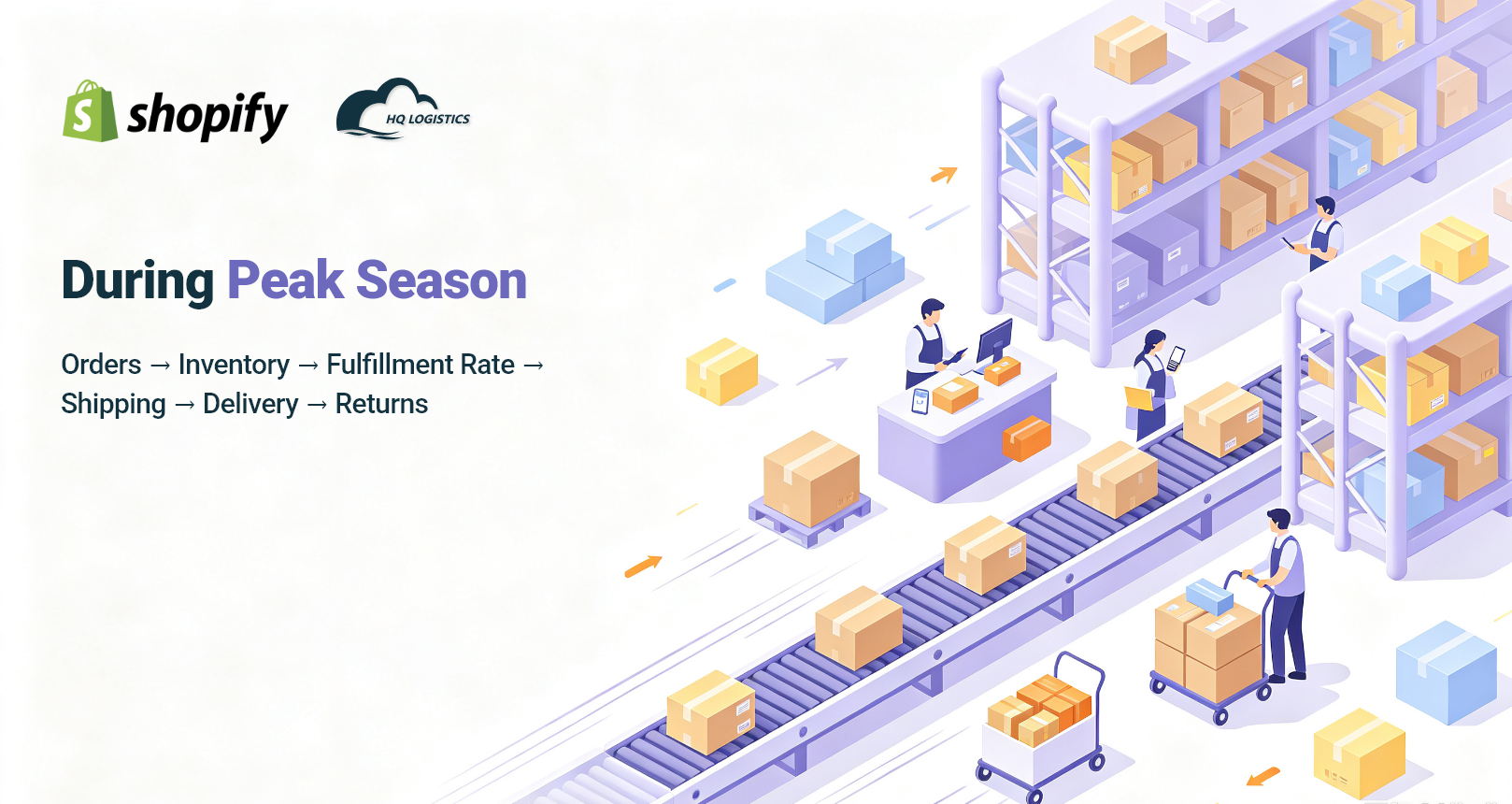
So, when does U.S. fulfillment make sense?
It depends on your business model.
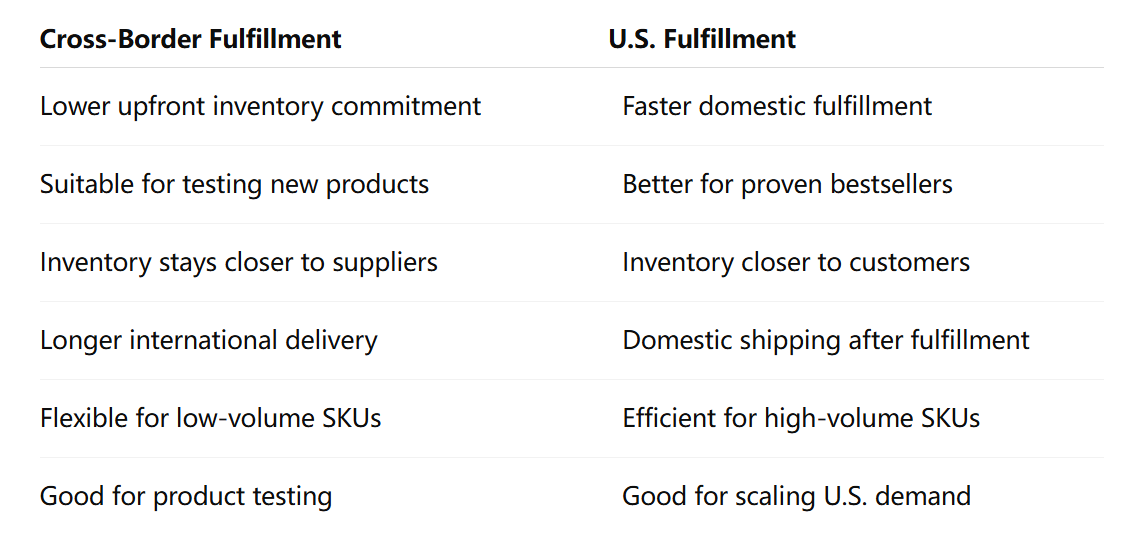
You don't necessarily have to choose one model.
A hybrid approach can often be more flexible:
China Warehouse → Product Sourcing + Main Inventory
U.S. Warehouse → Bestsellers + Fast-Moving U.S. Inventory
This allows you to test products from China while positioning proven products closer to U.S. customers.
A low shipping price shouldn't be your only consideration.
When evaluating a U.S. fulfillment partner, ask:
Your fulfillment partner should be able to scale labor, warehouse capacity, and processing resources when orders increase.
You need accurate information about available, committed, and incoming inventory.
Automated order and tracking synchronization can reduce manual work.
Your back-to-school catalog may include different sizes, colors, bundles, and product variations.
Back-to-school purchases can have strict timing requirements, and returns can become part of the operational workload.
The best fulfillment partner shouldn't only ship the inventory you already have.
They should also help you understand when inventory needs to be replenished.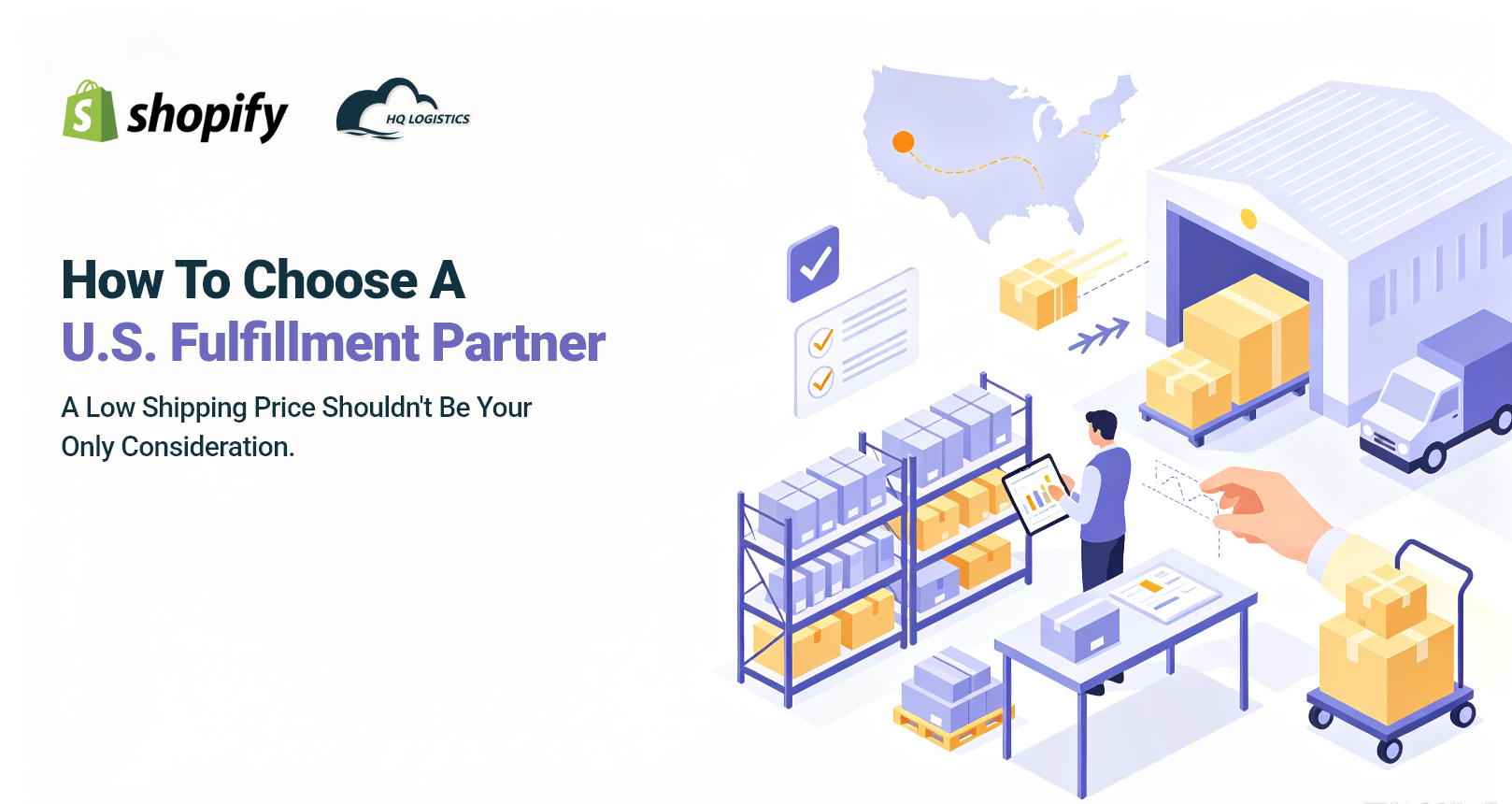
For Shopify brands selling to U.S. customers, HQ can connect sourcing, inventory, warehousing, fulfillment, and shipping into one workflow.
A typical process can look like:
China Sourcing → Quality Control → U.S. Inventory → U.S. Fulfillment → Domestic Shipping → Customer
HQ can support:
Factory-direct sourcing | Quality inspection | Product photography | Custom packaging | China warehousing | U.S. overseas warehousing | Shopify integration | Automated order fulfillment | Real-time inventory and tracking | U.S. shipping solutions | Inventory planning and replenishment
For brands preparing for back-to-school demand, this creates a more connected supply chain instead of managing sourcing, inventory, fulfillment, and shipping separately.
The goal is simple:
Stock Smarter. Fulfill Faster. Scale Your U.S. Shopify Business.
Before the season begins, check:
☐ Have I identified my top back-to-school SKUs?
☐ Have I created a demand forecast?
☐ Is enough inventory positioned in the U.S.?
☐ Have I set reorder points?
☐ Do I have safety stock?
☐ Is there enough warehouse capacity?
☐ Are bestsellers easy to pick?
☐ Are packaging materials ready?
☐ Has the pick-and-pack process been tested?
☐ Are orders syncing automatically?
☐ Is inventory updated accurately?
☐ Is tracking synced after shipment?
☐ Are domestic shipping routes confirmed?
☐ Are delivery estimates realistic?
☐ Do I have backup options for peak periods?
☐ Is the fulfillment team prepared for order spikes?
☐ Am I monitoring inventory and order volume regularly?
☐ Is there a clear replenishment plan?
If several answers are "no," it's time to prepare before demand peaks.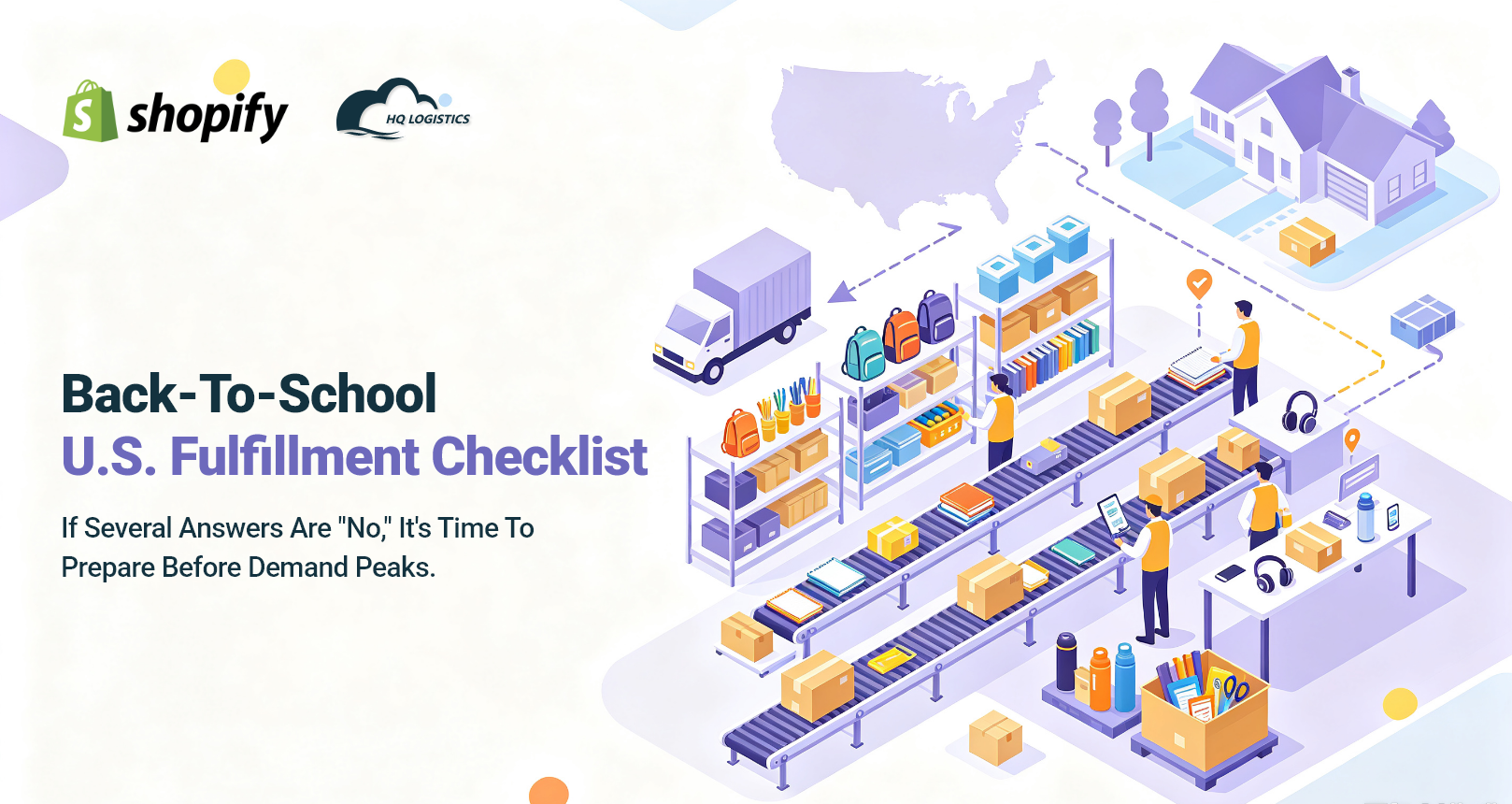
Back-to-school season can be a major growth opportunity for Shopify brands selling in the U.S.
But winning the season isn't only about having the right products.
It's about having the right inventory in the right place at the right time.
A well-planned U.S. fulfillment strategy can help you:
Reduce delivery friction → Improve order processing → Prevent stockouts → Control inventory → Handle peak demand → Create a better customer experience
The strongest strategy isn't necessarily to move every product into a U.S. warehouse.
It's to identify your best opportunities and build the right fulfillment model around them.
Forecast Early. Stock Smart. Fulfill Fast. Scale Bigger.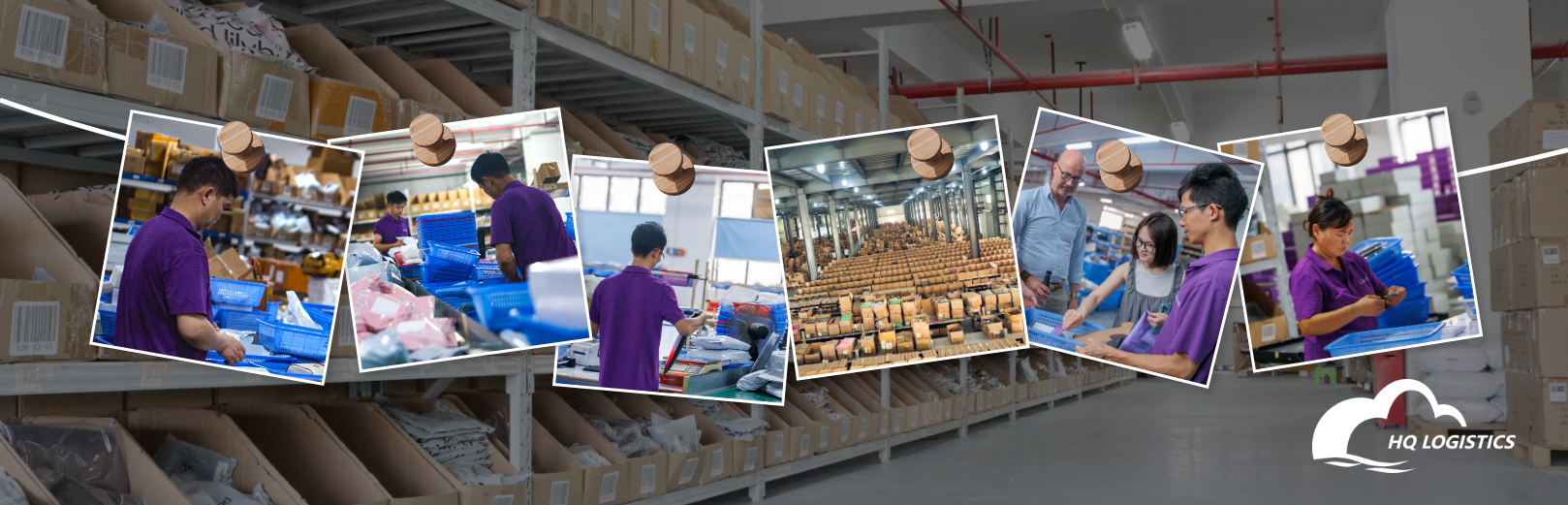
Back-to-school demand is concentrated and often time-sensitive. U.S. fulfillment can help brands position inventory closer to American customers and create a faster domestic order-processing workflow.
Not necessarily. A hybrid strategy can be more flexible. Keep broader or slower-moving inventory in China while positioning proven, fast-moving U.S. SKUs in a domestic warehouse.
Start with historical sales, current growth, planned promotions, product trends, and supplier lead times. Add safety stock based on demand volatility and replenishment risk rather than simply increasing inventory across every SKU.
Ideally, before your expected demand peak. The exact timing depends on product lead time, international transportation, customs, warehouse receiving capacity, and your sales forecast.
Look beyond shipping rates. Consider warehouse location, inventory accuracy, Shopify integration, order processing speed, peak-season capacity, tracking synchronization, returns handling, and replenishment support.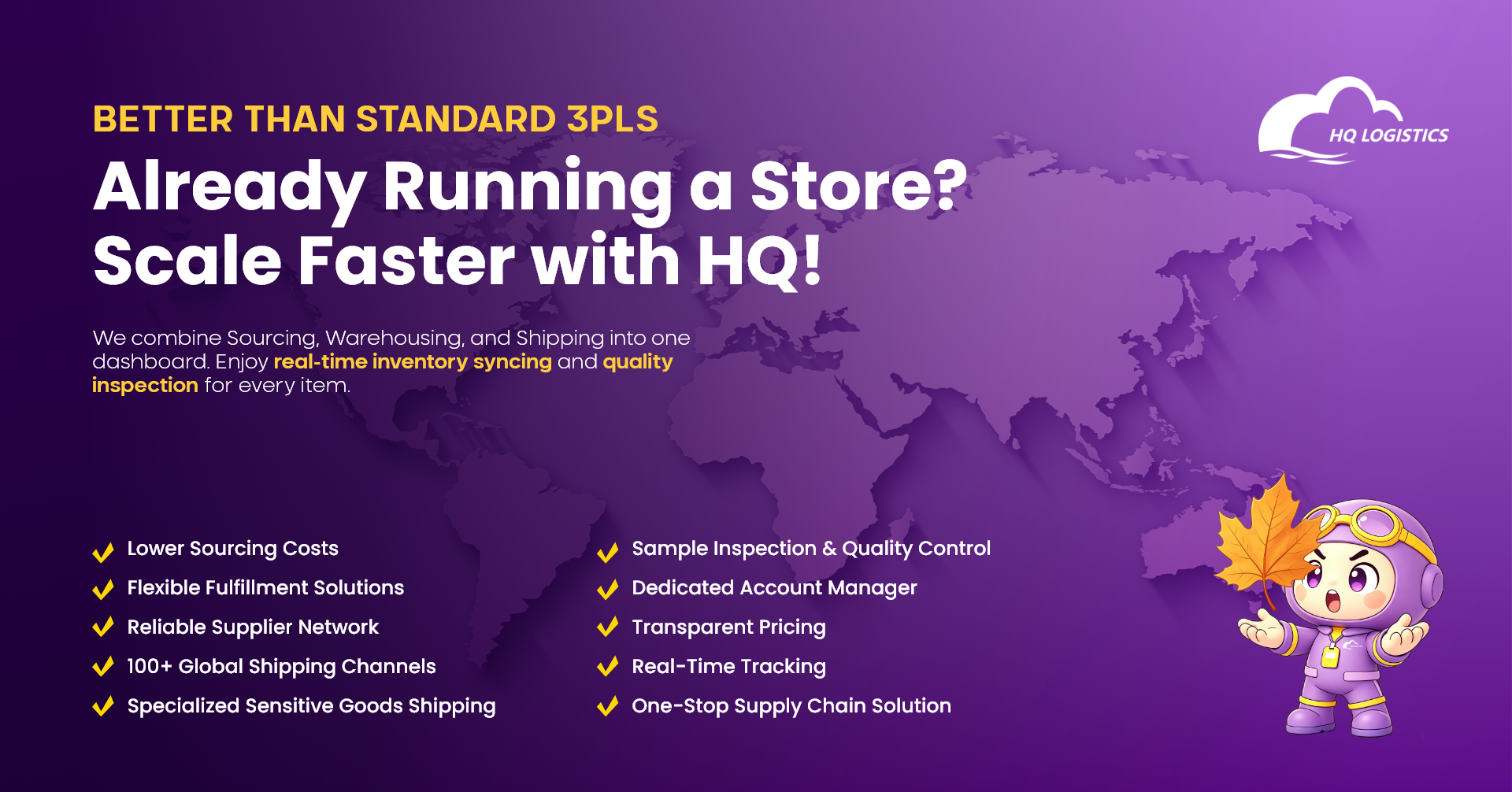
📩 Email: zoye@fulfillment-cn.com
Previous Recommendations


U.S. fulfillment, Shopify U.S. fulfillment, back-to-school fulfillment, Shopify fulfillment USA, U.S. warehouse for Shopify, ecommerce fulfillment, Shopify inventory management, U.S. warehouse, back-to-school inventory planning, Shopify logistics, U.S. 3PL, Shopify fulfillment partner



Don't wait until next year, grab the chance on 2025. Here are some recommended ecommerce topic you can choose.
Thanks to the support and trust from our customers. Flashback with our beloved partners.