 Fulfillment< @ >HQ Group

Struggling with late shipments, bottlenecks, or customer complaints every Q4?
You're not alone — peak season exposes every weak spot in a fulfillment workflow.
In this guide, I'll break down exactly how I optimize fulfillment for clients so they stay fast, accurate, and calm even when order volume explodes.
Let's get into it.
Peak demand isn't the only culprit. A lot of delays come from:
Overloaded carriers (DHL/USPS/Royal Mail capacity caps)
Insufficient warehouse staffing
Inaccurate inventory counts
Slow pick–pack workflows
Customs congestion for cross-border sellers
Fixing delays = improving your entire pre-fulfillment → fulfillment → delivery flow.
If you're not forecasting, you're reacting—and reacting always means delays.
Check:
Last year's data
Your ad spend plan
Product trends
Supplier lead times
Peak season inventory should arrive 2–4 weeks earlier than normal.
A simple formula:
Safety stock = (max daily sales × max lead time) – (average daily sales × average lead time)
Small workflow changes = huge time savings.
Use SKU zoning (fast movers near packing stations)
Pre-pack high-volume products
Batch-pick instead of single-pick
If your system can't support auto-syncing orders, tracking sync, or SKU mapping, you will see delays.
Your workflow should allow:
Auto obtain orders from Shopify/Woo/eBay
Real-time tracking updates
Auto inventory deduction
Peak season = suppliers also slow.
Always confirm:
Production capacity
Lead time changes
Holiday shutdown dates
Catching defective stock after peak season starts = nightmare.
QC at arrival saves days.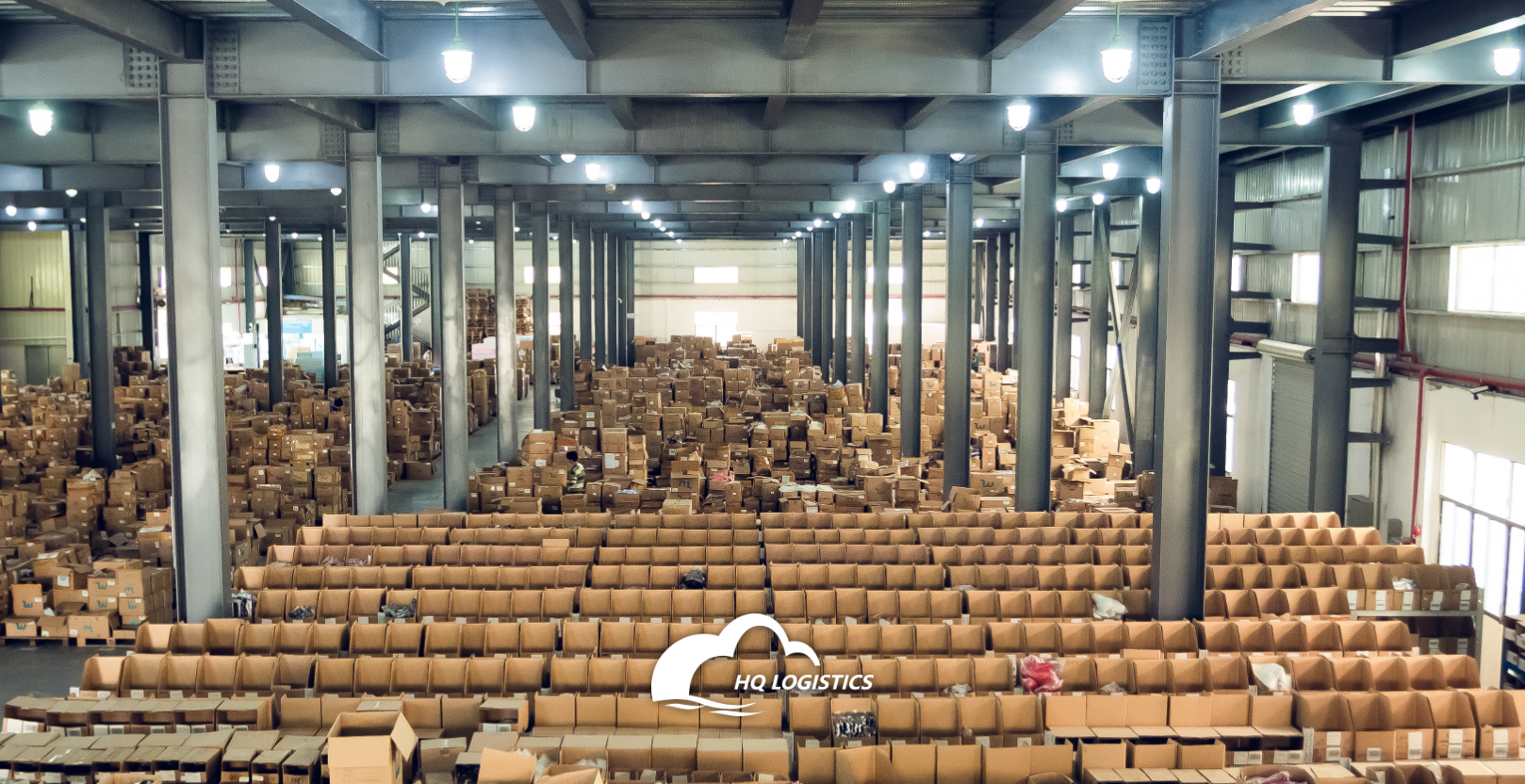
When one is overloaded, switch instantly:
Express line (3–6 days)
Standard line (7–12 days)
Local warehouse dispatch
Incorrect paperwork = days of delay.
Your documents must include:
Correct HS codes
Clear product descriptions
Accurate declared value

If a delay happens, the worst thing is customers not knowing.
Use:
Automatic email updates
Order status pages
Tracking pages with milestones
Example message:
“Your order is on the way and currently passing customs clearance. Expected delivery: 2–3 more days.”
Clear communication reduces complaints by 70%+.
Last December, one of our sellers scaled from 200 to 2,500 orders/day in 48 hours.
What saved them:
Pre-stocked inventory
Auto order syncing
Two backup shipping channels
Pre-packed top sellers
Result: 0 warehouse delays and 98% on-time delivery, even during peak chaos.
Carrier congestion and poor warehouse preparation.
Yes. Pre-stocking cuts delays by 30–50%.
Use correct HS codes and product descriptions, and declare truthfully.
Automation + zoning + pre-packing + accurate inventory.
Yes. Switching lines instantly prevents serious delays.
Peak season doesn't have to be stressful.
Optimize your workflow, stock early, automate what you can, and diversify shipping channels — that's how you stay fast while others fall behind.
How to Reduce Delays During Peak Season starts with small changes that compound into major time savings.




Don't wait until next year, grab the chance on 2025. Here are some recommended ecommerce topic you can choose.

Thanks to the support and trust from our customers. Flashback with our beloved partners.