 Fulfillment< @ >HQ Group

Every January, I see the same pattern happen across almost every cross-border store:
your sales look amazing in December… and then the returns start rolling in.
It's not that your products are bad — it's the post-Christmas behavior of customers.
Wrong sizes, change of mind, delayed parcels, damaged gift boxes… the list goes on.
So in this Blog, I'm breaking down the strategies I personally use to help sellers keep those return rates under control.
Before fixing returns, understand why they happen:
Wrong size / wrong color
Damaged packaging
Slow shipping → customer no longer wants it
Product not matching the listing
Gifts opened → “not what I expected”
Now, let's fix these step by step.
The best return is the one that never happens.
Add simple checks that prevent problems before shipping:
Real-photo QC for each SKU
Check variations (size, color, model)
Record short QC videos for high-value items
Flag common defect types and reject instantly
Example:
One of my clients selling LED projectors cut their January return rate by 37% simply by adding a 10-second functional test before shipping.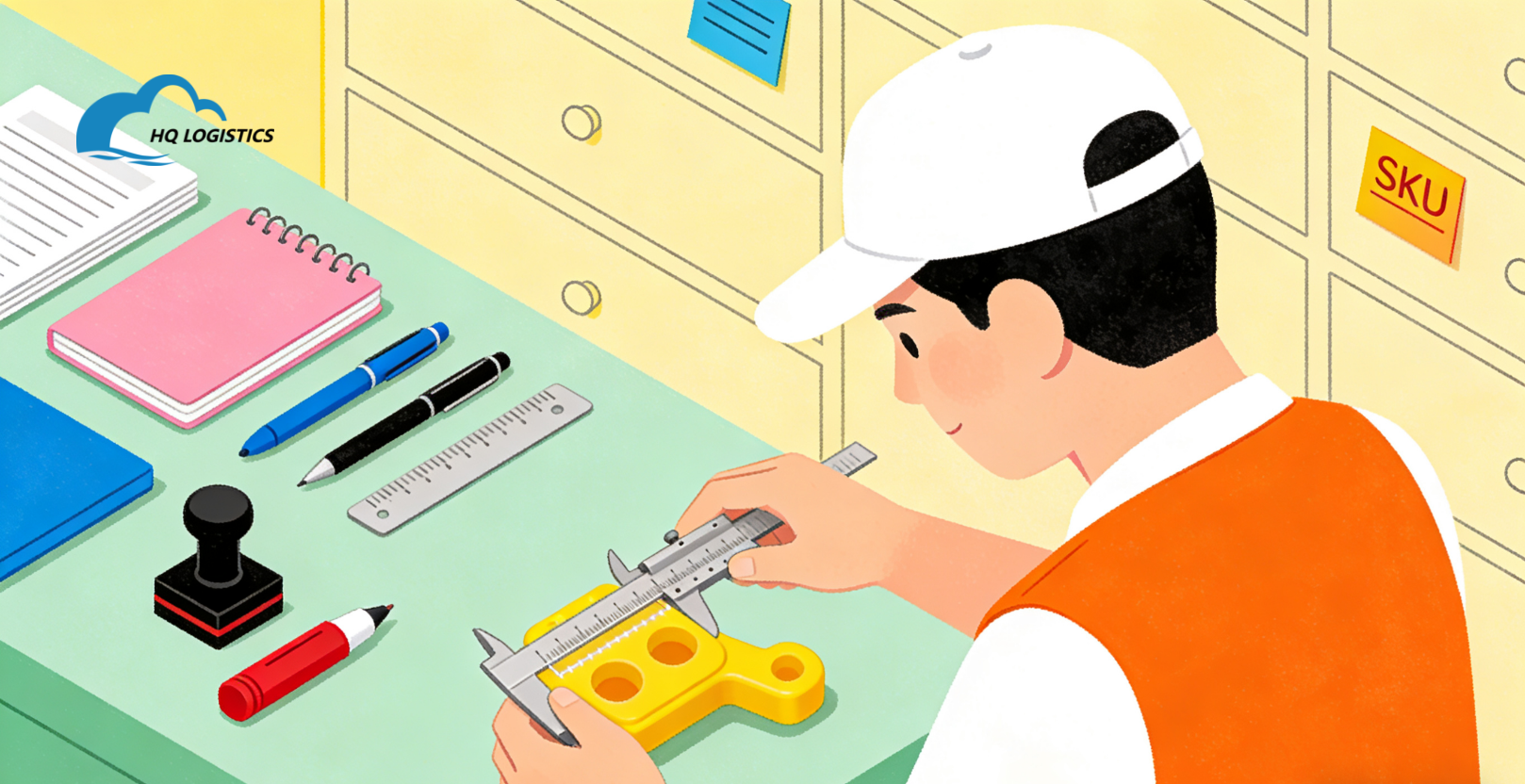
Most returns come from mismatched expectations.
Fix that by updating your:
Product images (real photos, no heavy edits)
Descriptions (simple wording, cover limitations)
Gift notes / instructions (avoid misunderstandings)
Size charts (especially for clothing)
Clear info = fewer surprises.
After Christmas, many buyers return items because shipping was slow.
To prevent this:
Use 3–6 day global lines
Switch to non-stop peak-season channels
Avoid carriers with strike/delay risks
Pre-stock popular SKUs in local warehouses
Fast shipping is always cheaper than refunding.
Christmas returns often come from crushed boxes or broken items.
Use:
Thicker outer cartons
Custom-sized poly mailers
Bubble wrap or honeycomb wrap for fragile items
Gift-safe packaging (clean, no supplier labels)
Better packaging = fewer “damaged on arrival” returns.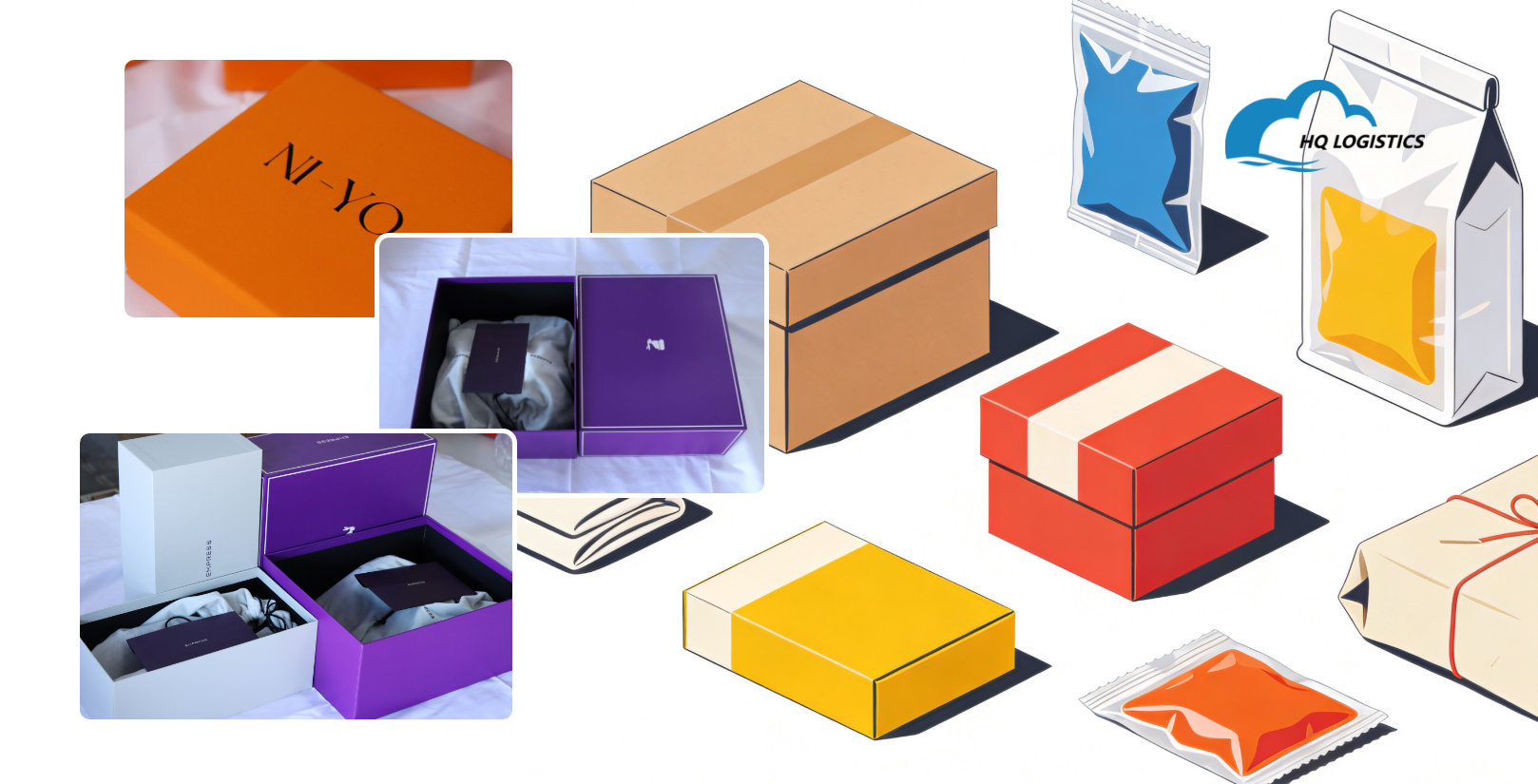
When returns do happen, reduce the damage:
Offer store credit instead of refunds
Provide partial refunds for opened but working items
Have a simple online returns form
Reuse returned inventory (inspect + re-ship if new)
A UK Shopify seller I worked with sold Christmas home decor.
Their January return rate was 22%.
We only changed 3 things:
Real-photo QC
Accurate sizing details
Custom protective packaging
Next year, returns dropped to 9% — with higher repeat buyers.
Sometimes small fixes beat complicated systems.
1. “Should I offer free returns?”
Yes—if margins allow. It boosts trust and conversion.
2. “Are QC photos really necessary?”
If your return rate is high, QC photos are the cheapest solution.
3. “Does local warehousing help?”
Absolutely. Returns and reships become 10× faster.
4. “What if customers lie about issues?”
Use photo proof requirements and partial refunds.
5. “Is custom packaging worth it?”
Yes—especially during gifting seasons.
Reducing post-Christmas returns depends on clear listings, strong QC, faster shipping, and better packaging.
Apply these steps now and protect your profit — that's what every cross-border seller needs during peak season.
This guide is your starting point for mastering how to reduce post-Christmas returns.




Don't wait until next year, grab the chance on 2025. Here are some recommended ecommerce topic you can choose.

Thanks to the support and trust from our customers. Flashback with our beloved partners.