 Fulfillment< @ >HQ Group

Warehouse Planning Checklist: Is Your Fulfillment Team Ready for 2026?
If your warehouse is already feeling stretched in 2025,
2026 will only magnify the cracks.
Higher order volumes.
Faster delivery expectations.
More SKUs.
More regions.
I've seen many fulfillment teams fall behind not because they work slow —
but because their warehouse planning didn't scale with the business.
Here's the warehouse planning checklist I use to assess whether a fulfillment team is truly ready for 2026.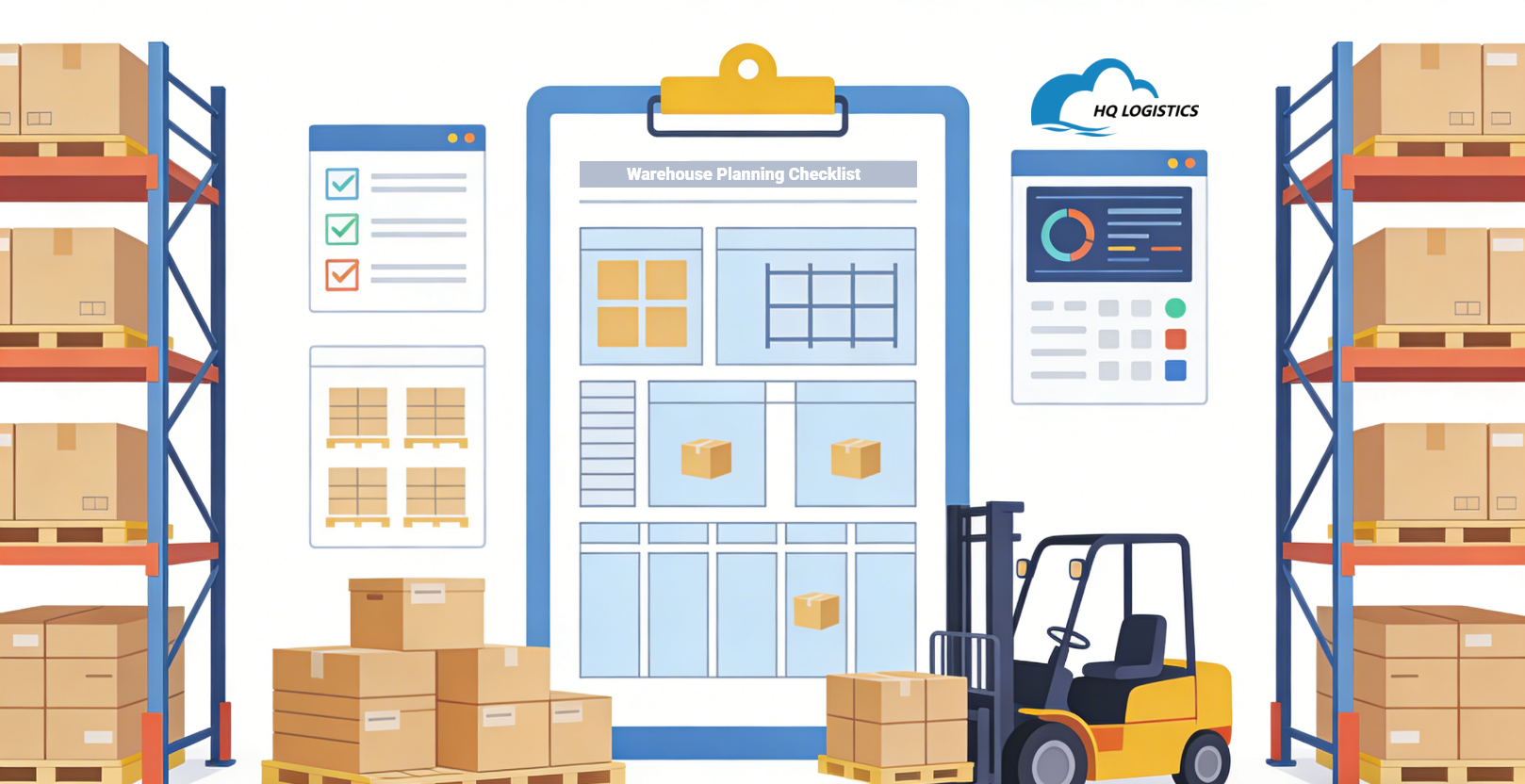
Your layout decides your speed.
Ask yourself:
Are fast-moving SKUs closest to packing stations?
Are pick paths optimized, or are staff walking back and forth?
Can you re-slot inventory seasonally?
Checklist:
✅ ABC SKU classification (fast / medium / slow movers)
✅ Flexible shelving (not fixed forever)
✅ Clear inbound vs outbound zones
If your layout hasn't changed in 12 months, it's already outdated.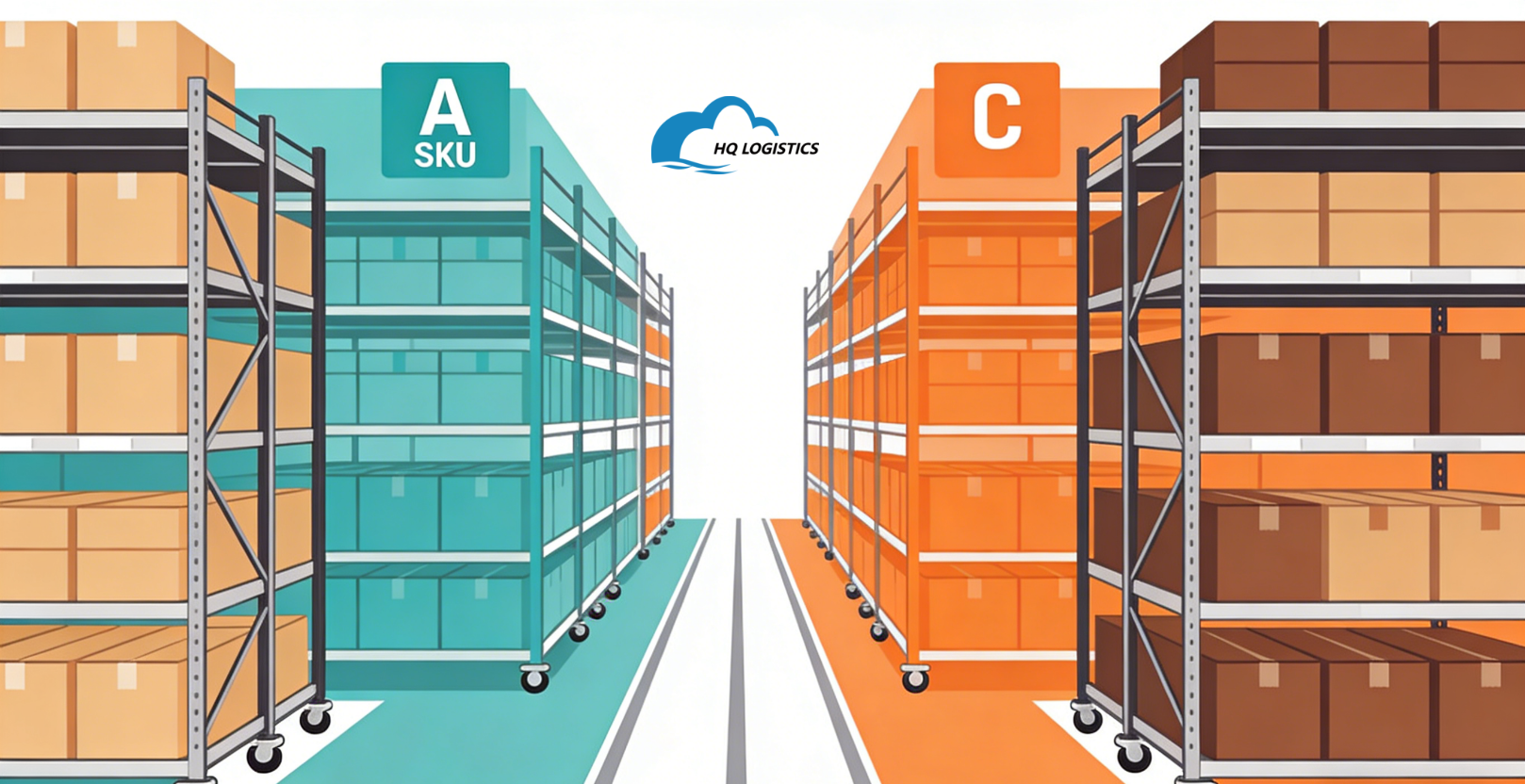
More orders in 2026 means less room for inventory errors.
What I look for:
Real-time inventory sync (not end-of-day updates)
Buffer stock rules for best sellers
Clear low-stock alerts tied to demand trends
Simple rule:
If Shopify says “in stock” but the warehouse says “maybe,” you're not ready.
Most delays don't come from shipping.
They come from micro-delays inside the warehouse.
Break down every step:
Picking
QC
Packing
Labeling
Handover to courier
Checklist:
✅ Standard packing SOPs
✅ Clear QC rules (what to check, what to skip)
✅ Priority lanes for express orders
Fixing a 20-second delay per order matters when you ship 10,000 orders.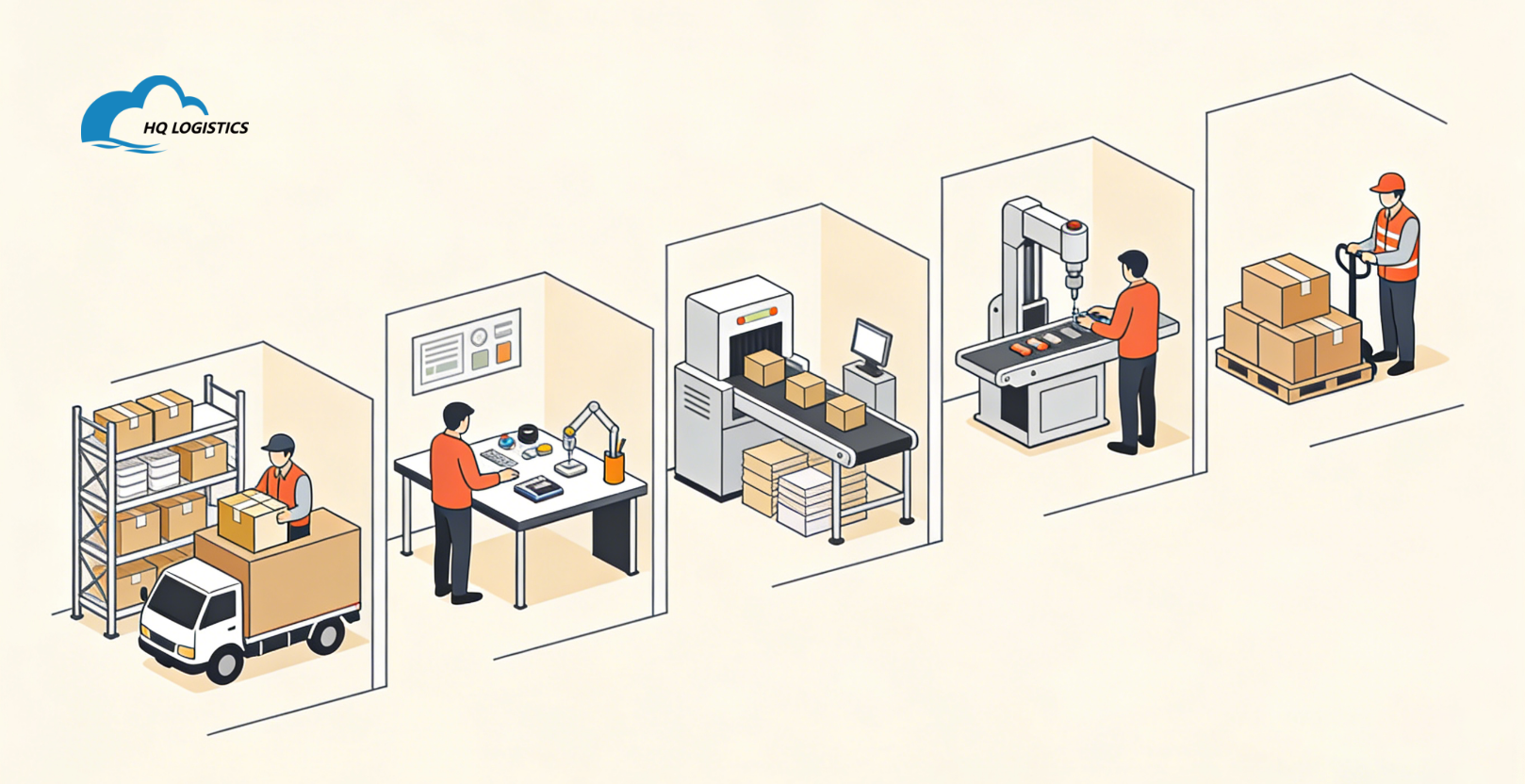
Manual fulfillment doesn't scale into 2026.
You don't need robots —
you need smart automation.
Key systems to review:
Auto order sync from Shopify / WooCommerce
Auto SKU matching
Auto tracking updates
Auto exception alerts (failed address, customs risk)
If your team is copying data between systems, that's a red flag.
2026 won't wait for hiring delays.
Ask now:
Do you have trained backup staff?
Are SOPs documented or “in someone's head”?
Can new staff be trained in 3 days or less?
What works best:
Cross-trained roles
Visual SOPs (photos + short text)
Temporary peak teams with fixed tasks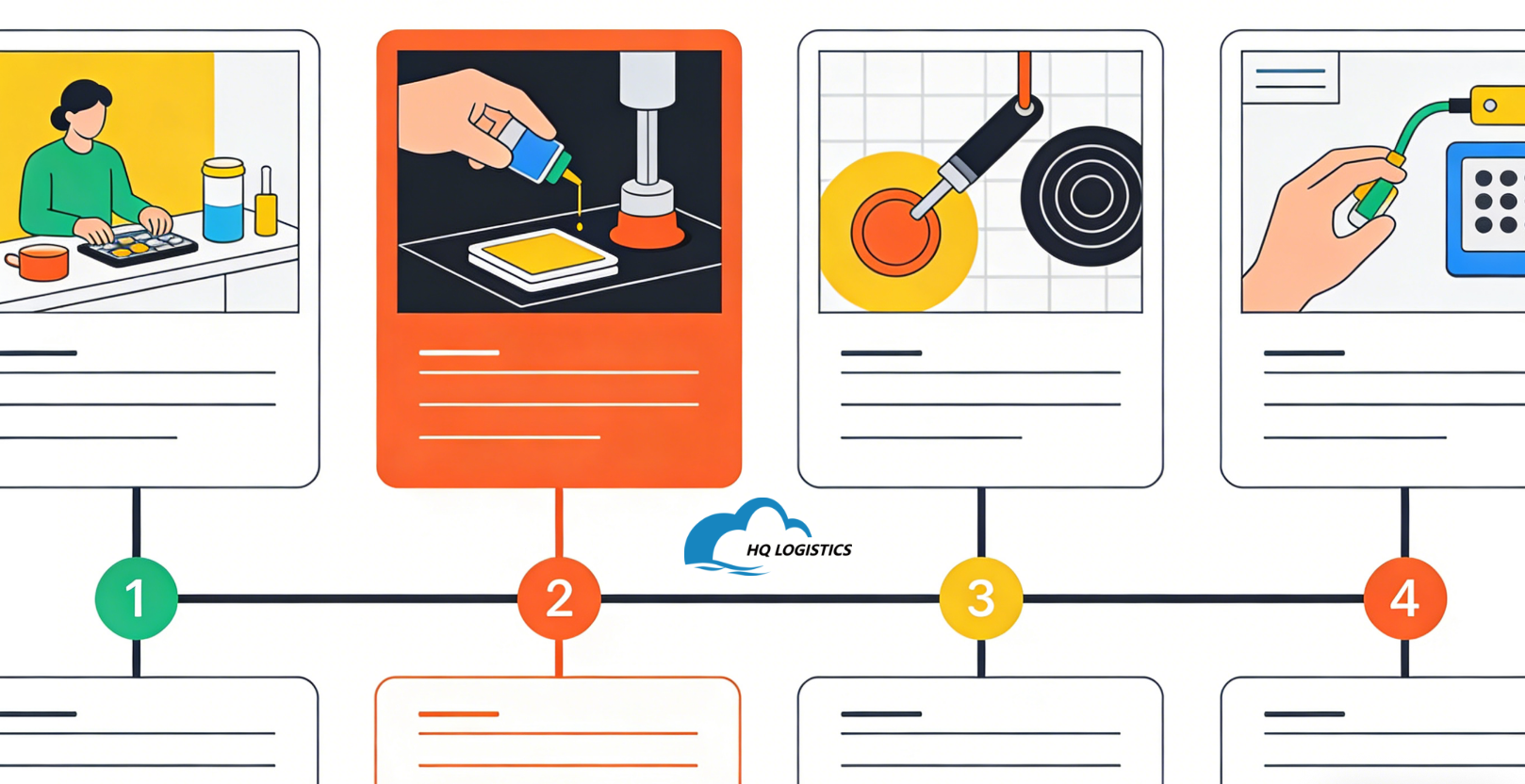
Packaging affects speed more than most teams expect.
For 2026, focus on:
Fewer box sizes
Pre-approved branded packaging
Pre-packed bundle SKUs
This reduces decision-making time at the packing table.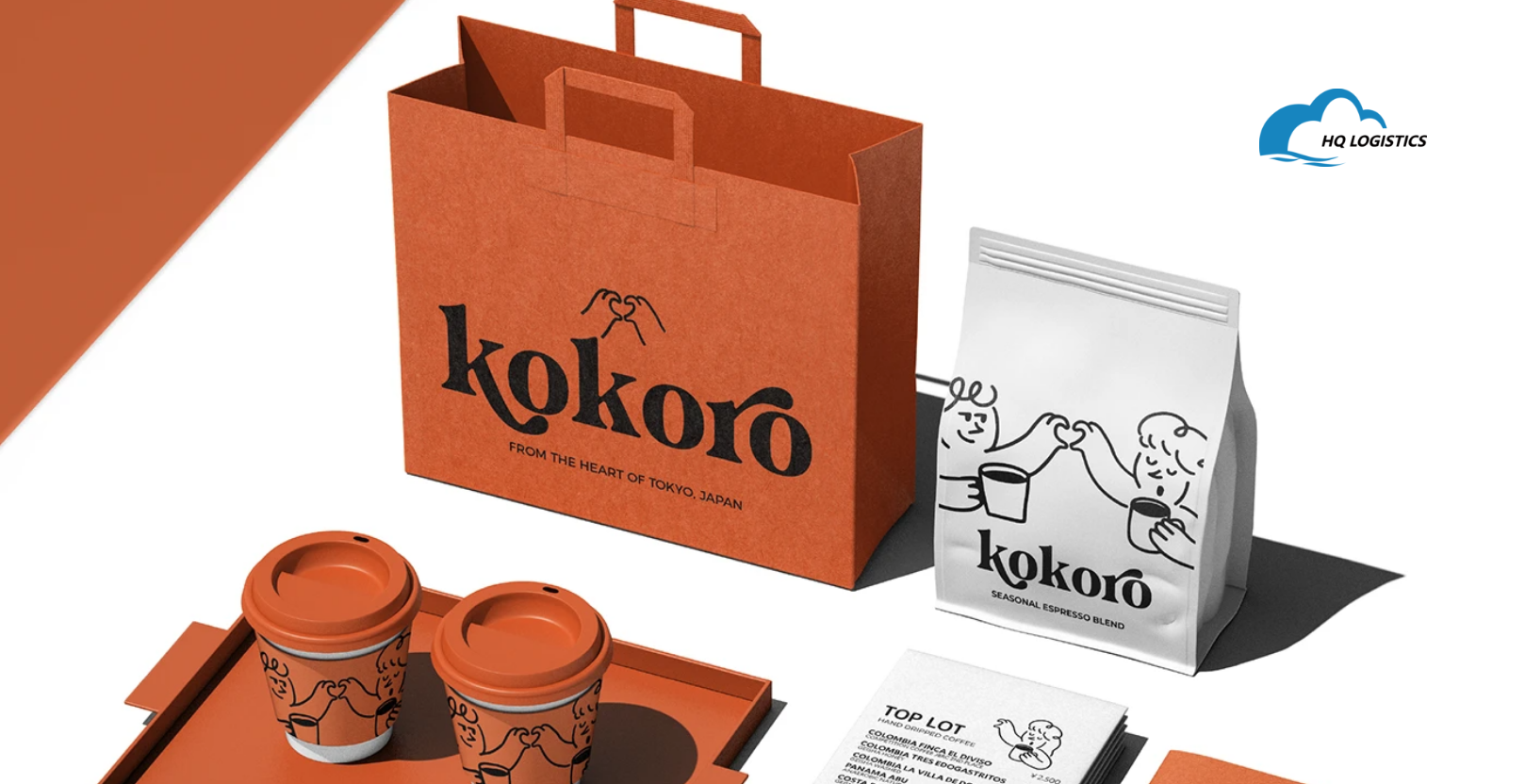
Fast fulfillment means nothing if parcels get stuck.
Checklist:
Multiple shipping lines per region
Clear customs documentation rules
Backup routes for peak season or disruptions
Your warehouse team should know when to switch routes — not guess.
One seller we worked with thought their warehouse was “fine.”
But orders slowed every Q4.
We re-slotted top SKUs, simplified packing steps, and automated order sync.
Result:
Daily capacity increased by 38% — without adding staff.
Planning beat overtime.
Q1: When should I start warehouse planning for 2026?
Now. Planning always lags behind growth if you wait.
Q2: Do small teams need warehouse planning too?
Yes — especially small teams. Errors hurt more when margins are tight.
Q3: What's the biggest mistake teams make?
Relying on manual processes that worked “last year.”
Q4: Is automation expensive?
Not compared to delays, refunds, and lost customers.
Before 2026, make sure you have:
✔ Scalable warehouse layout
✔ Accurate, synced inventory
✔ Fast, documented fulfillment processes
✔ Automation-ready systems
✔ Trained, flexible staff
✔ Packaging optimized for speed
✔ Backup shipping plans
Warehouse Planning Checklist: Is Your Fulfillment Team Ready for 2026?
📩Email: zoye@fulfllment-cn.com




Don't wait until next year, grab the chance on 2025. Here are some recommended ecommerce topic you can choose.
Thanks to the support and trust from our customers. Flashback with our beloved partners.