 Fulfillment< @ >HQ Group

Christmas is over.
Sales data is in.
And now comes the tricky part — deciding what to restock, pause, or cut.
If you guess wrong, you'll either run out of winners
or sit on dead inventory.
Here's how I approach post-Christmas inventory forecasting, step by step.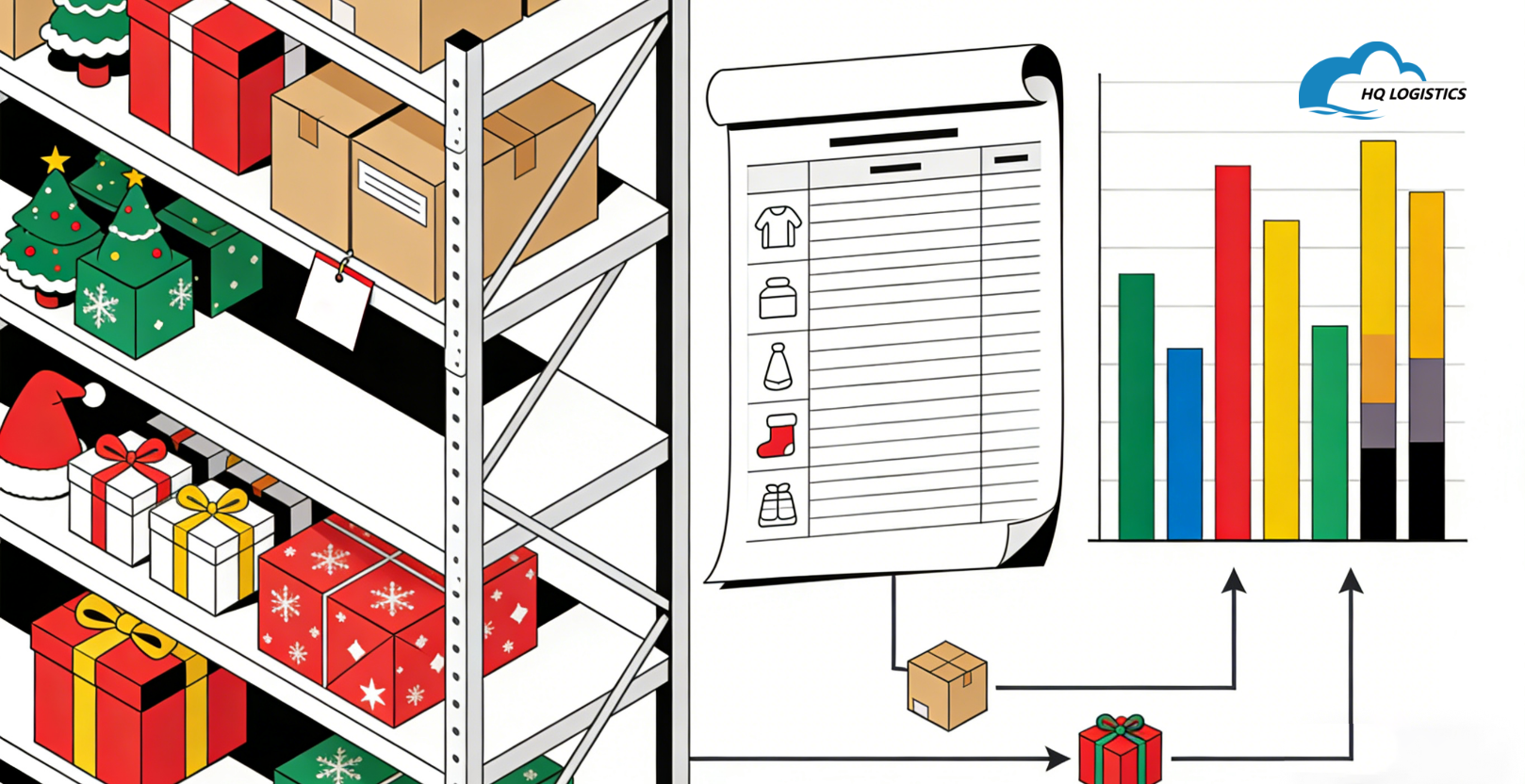
After Christmas, demand shifts fast.
Gift-driven purchases slow down.
Practical, self-use products usually rebound.
This is where many sellers make mistakes:
• Restocking Christmas-only items too aggressively
• Ignoring January–February demand patterns
• Overreacting to one strong or weak week
Good forecasting isn't about reacting.
It's about filtering the noise.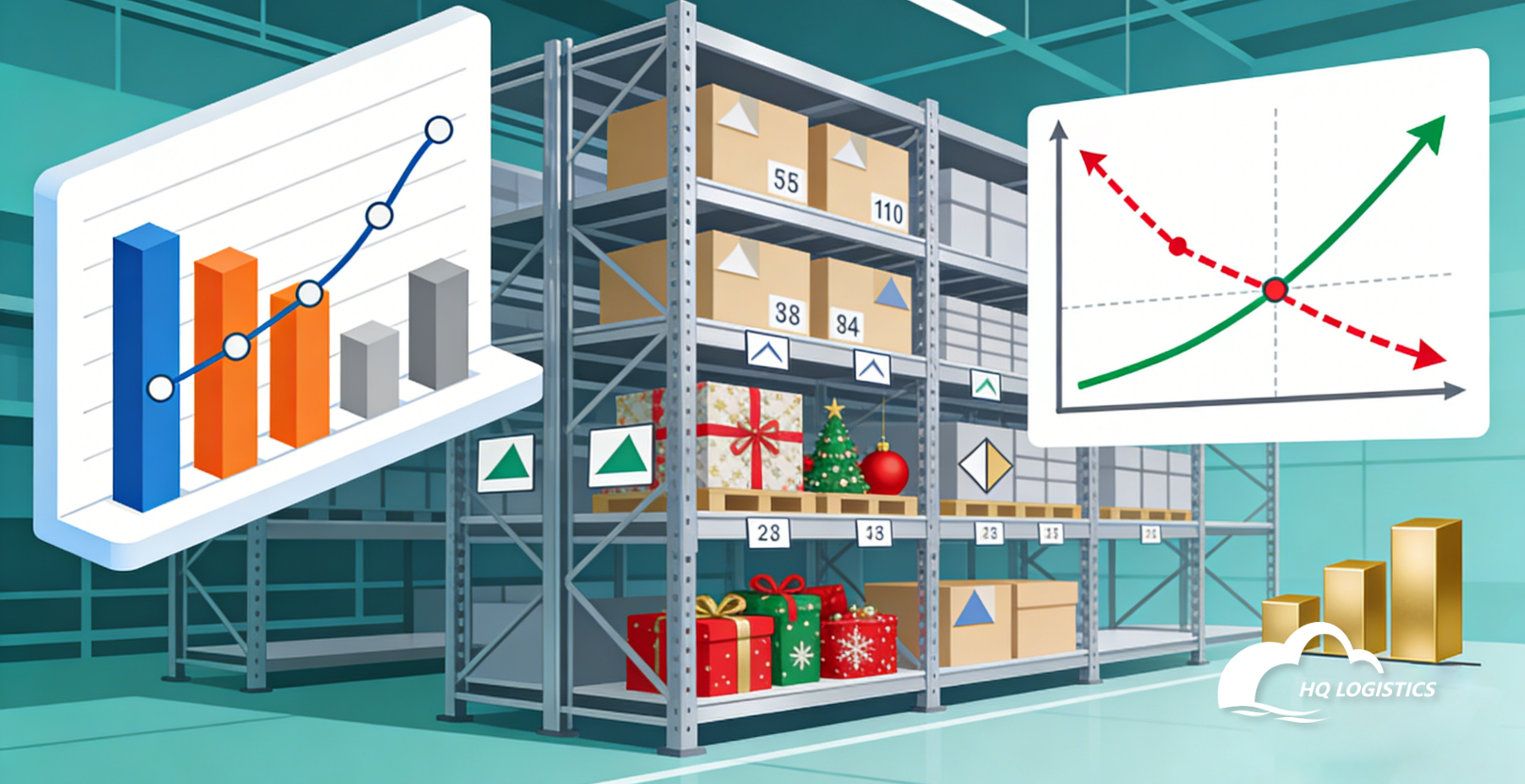
Don't look at total sales only.
Break it down.
Focus on:
• Bestsellers with consistent daily orders
• Products with heavy promo-driven spikes
• Items with high return or complaint rates
I usually tag products as:
Core sellers | Seasonal winners | Promo-only | Clear-out
Only the first two deserve replenishment.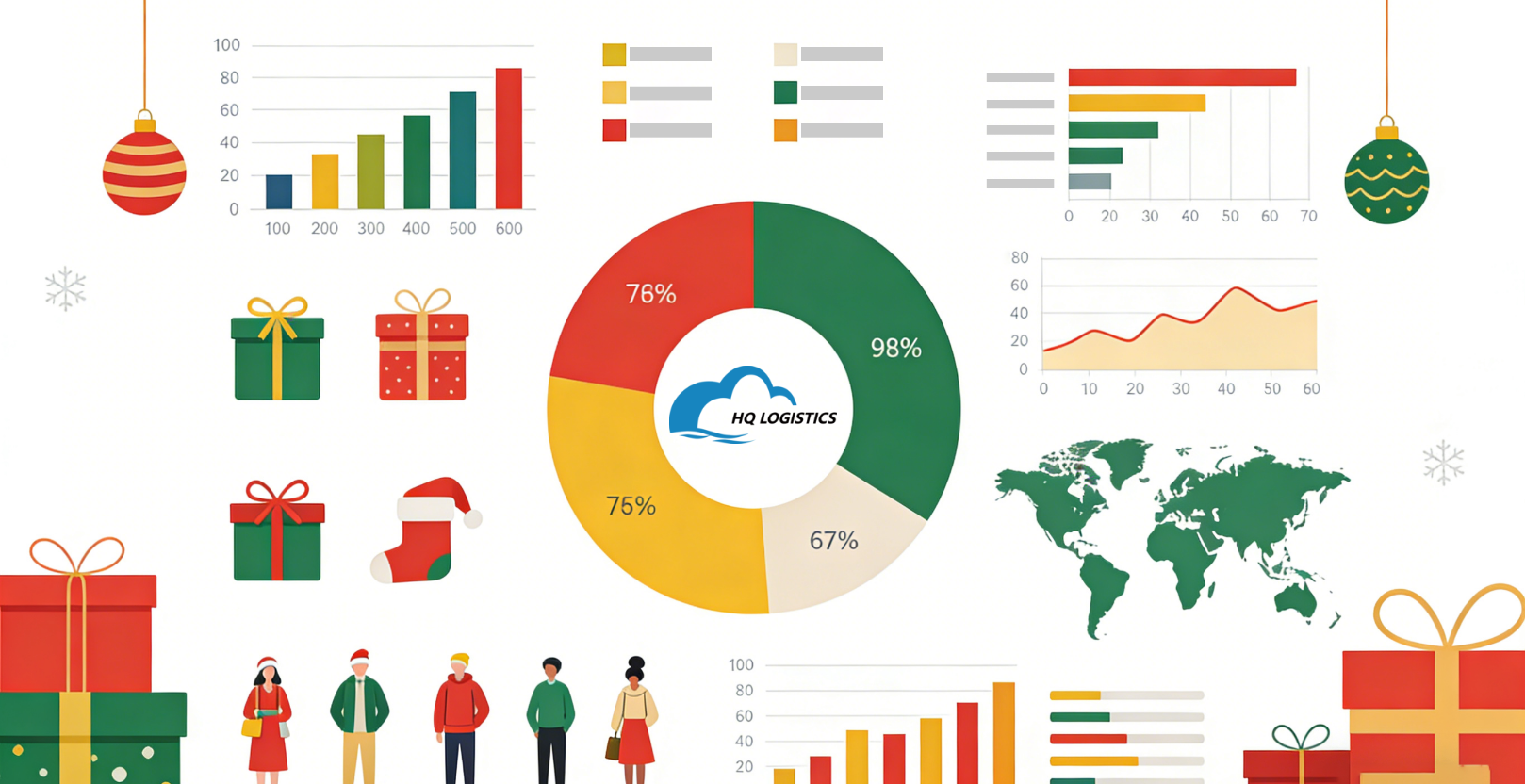
Ask one simple question:
“Will customers still buy this in January?”
Christmas décor | holiday bundles | festive packaging
These should be cleared | not restocked.
For flexible products:
Neutral packaging | remove holiday inserts | reposition for daily use
Same product | very different demand curve.
After Christmas shorter windows win.
Recommended:
30 days for fast movers | 45 days for stable evergreen SKUs
Avoid long restocks unless:
Demand is proven year-round | storage is cheap | cash flow is strong
Flexibility beats bulk in Q1.
Post-Christmas reality:
Higher return rates | delayed in-transit stock | slower customs clearance
Before reordering account for:
Expected returns | inbound inventory | supplier lead time
Inventory on paper ≠ sellable inventory.
Store data shows demand, fulfillment data shows execution.
Review:
Actual delivery times | QC failure rates | damaged units | route stability
If a product sells but causes constant issues, it's a weak replenishment choice.
This is not the moment to go all-in.
Best approach:
Small reorder | fast feedback | gradual scale
You protect:
Cash flow | warehouse space | operational stability
You can always reorder winners, you can't undo overstock.
Not always, remove holiday-only demand and returns first, then restock based on real post-holiday trends.
For most sellers, 30–45 days of stock is ideal, it keeps cash flexible and risk low.
Yes.
Discount it, bundle it, or liquidate quickly to free cash and space.
Yes. We offer custom packaging, branded inserts, labels, and white-label fulfillment.
Most branding options come with low MOQs, making them suitable for scaling brands.
We integrate with Shopify, WooCommerce, and custom stores via API.
Orders, inventory, and tracking numbers sync automatically to reduce manual work and errors.
This makes forecasting more accurate — and less risky.
Post-Christmas inventory planning isn't about optimism.
It's about discipline and data.
Forecast shorter.
Restock smarter.
Stay flexible.
That's how you protect profit after peak season.
📩Email: zoye@fulfllment-cn.com




Don't wait until next year, grab the chance on 2025. Here are some recommended ecommerce topic you can choose.

Thanks to the support and trust from our customers. Flashback with our beloved partners.