 Fulfillment< @ >HQ Group

How Fulfillment Pricing Works: Fees to Watch
Struggling to understand fulfillment pricing?
Ever feel like your 3PL bill is higher than expected?
I've worked with sellers who thought fulfillment was “just shipping.”
It's not.
Real 3PL fulfillment cost comes from multiple hidden layers.
This fulfillment pricing guide breaks it down—clearly.
Fulfillment pricing is not one fee.
It's a stack of services bundled together.
Most 3PLs charge based on:
Storage | Order processing | Shipping | Add-ons | Exceptions
Miss one line item—and margins disappear.
This is what you pay when inventory arrives at the warehouse.
Common charges include:
Carton receiving | Pallet unloading | SKU check-in
Watch out for:
Per-carton fees | Minimum inbound charges | Extra fees for mixed SKUs
Tip: Some China 3PLs bundle this or reduce it for stable sellers.
Storage sounds simple.
It's not.
Typical pricing models:
Per cubic meter | Per pallet | Daily or monthly rates
Hidden risks:
Long-term storage penalties | Peak-season rate hikes
Low storage cost matters most if you sell many SKUs or slow movers.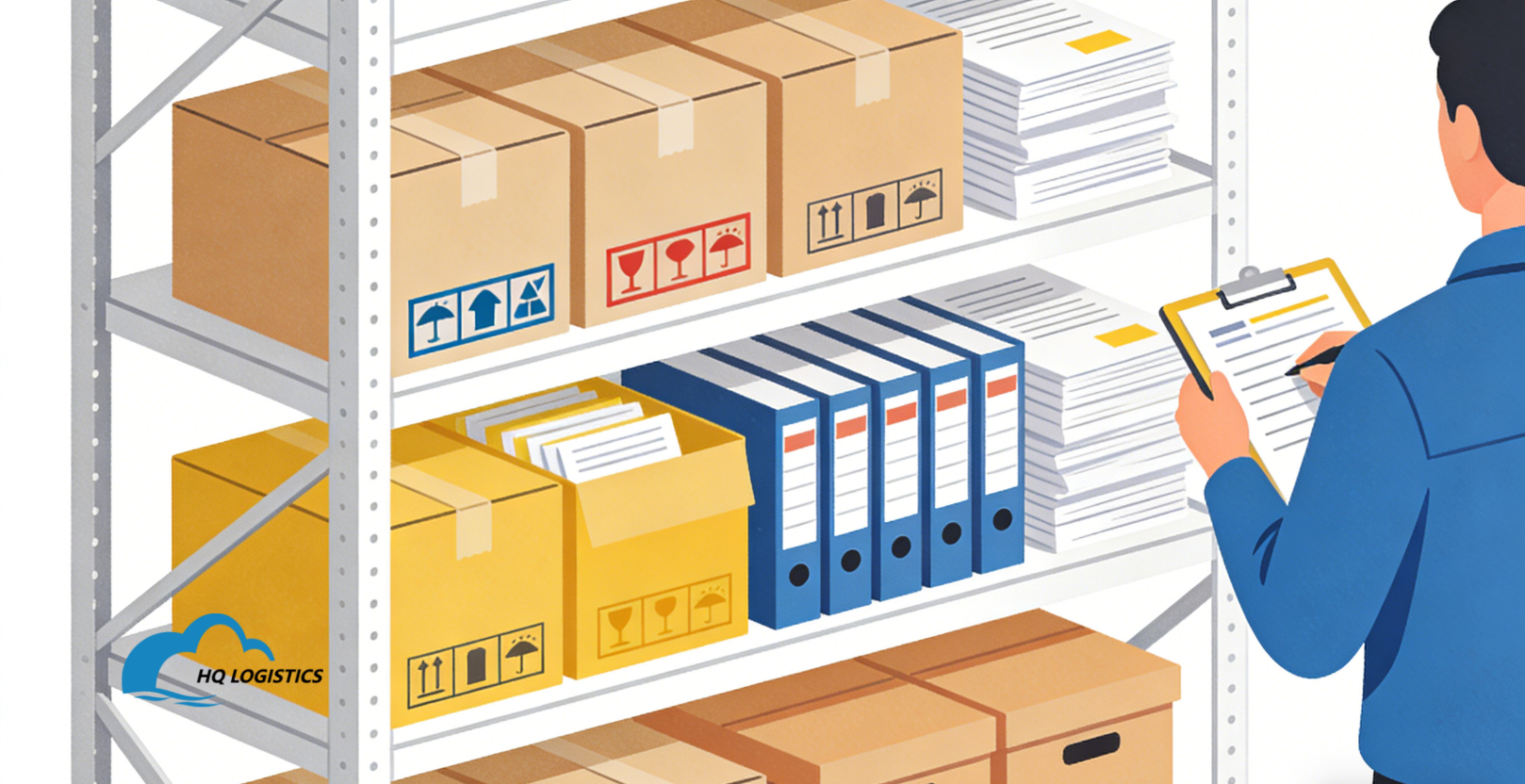
This is the core fulfillment cost.
Usually charged per order:
First item fee | Additional item fee
Costs rise fast with:
Bundles | Inserts | Multi-SKU orders
Flat pick fees are easier to forecast than “per action” pricing.
Boxes aren't always included.
You may be charged for:
Boxes | Poly mailers | Tape | Inserts | Branded packaging
Some 3PLs profit heavily here.
Others bundle packaging into fulfillment.
Always ask what's included—line by line.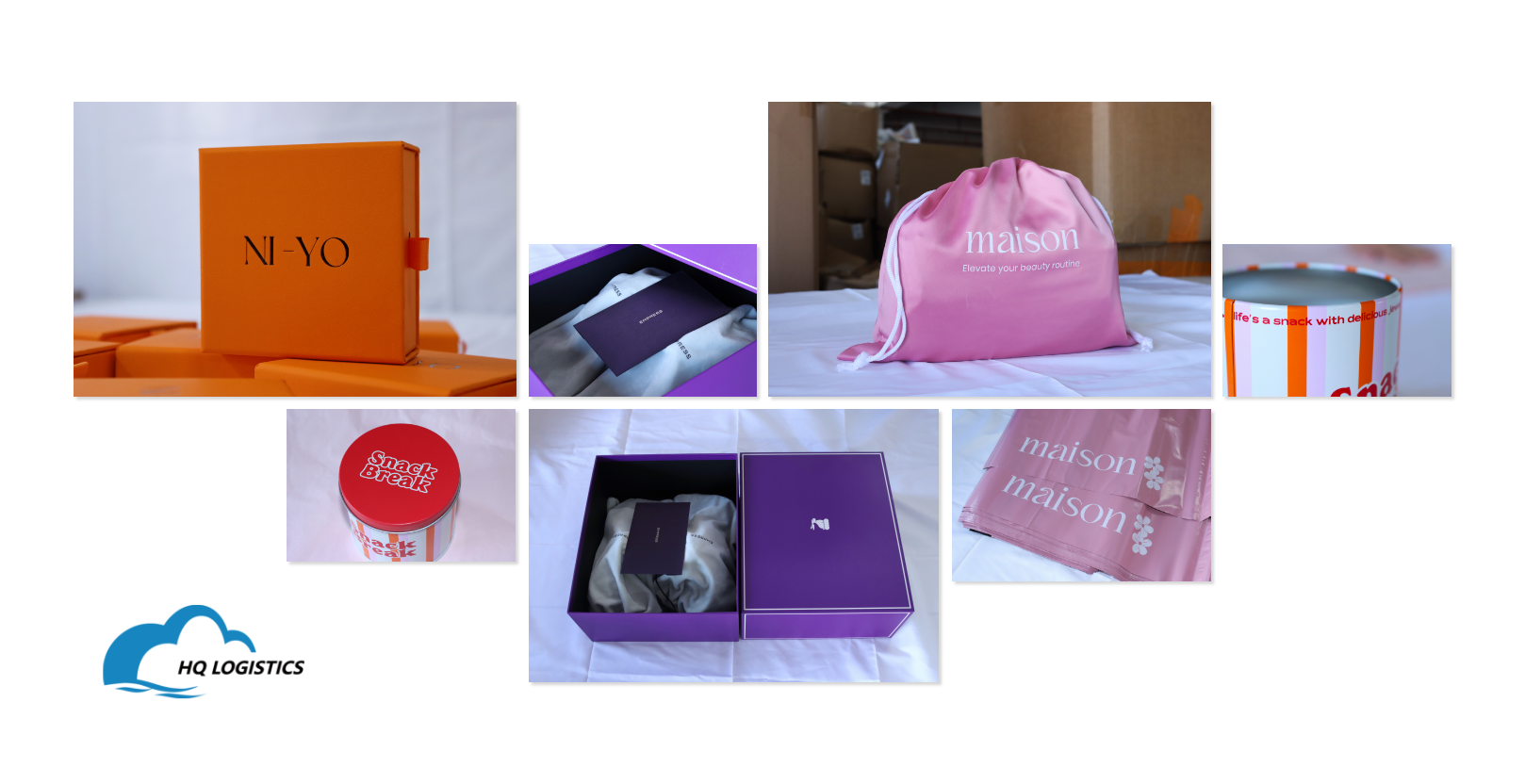
Shipping is not just “the label.”
Total shipping cost may include:
Base rate | Fuel surcharge | Remote area fees | Customs handling
DDP shipping helps avoid surprise taxes and customer complaints.
Stable routes matter more than the cheapest quote.
This is where sellers get burned.
Common extras:
Returns processing | Relabeling | Address changes | Manual orders | Peak season surcharges
If it's not written, assume it's billable.
Transparency beats low headline pricing.
One Shopify seller I worked with paid low pick fees.
But storage, packaging, and manual handling doubled the bill.
After switching to a clearer pricing model:
Flat pick & pack | Bundled packaging | Predictable shipping
Total fulfillment cost dropped by ~30%.
Same volume.
Cleaner math.
Don't ask: “What's your price?”
Ask: “What will my total cost per order be?”
Compare based on:
All-in cost | Stability | Transparency | Scalability
A good 3PL makes pricing boring—and predictable.
What is a normal 3PL fulfillment cost per order?
It depends on SKU size, order volume, and destination—but clarity matters more than the base rate.
Why do some fulfillment quotes look cheap at first?
They exclude storage, packaging, or manual handling fees.
Is China fulfillment always cheaper?
Often yes for Shopify brands—lower labor and storage costs—but only with reliable shipping lines.
What's the biggest hidden fee sellers miss?
Packaging materials and peak-season surcharges.
Should I choose the cheapest fulfillment provider?
No. Choose the most transparent one.
Fulfillment pricing isn't about one fee.
It's about visibility.
If you understand every line item, you control margins.
If you don't—your 3PL does.
📩 Email: zoye@fulfillment-cn.com
Previous Recommendations






Don't wait until next year, grab the chance on 2025. Here are some recommended ecommerce topic you can choose.
Thanks to the support and trust from our customers. Flashback with our beloved partners.