 Fulfillment< @ >HQ Group

If you're fulfilling orders from China, shipping damage is more than a logistics issue.
It's a brand, refund, and review problem.
I've worked with sellers who lost months of growth because of cracked products, crushed boxes, or “arrived damaged” reviews.
The good news? Most shipping damage is preventable — if QC is done correctly.
Let's break down how to reduce shipping damage and build a real quality control system inside China fulfillment.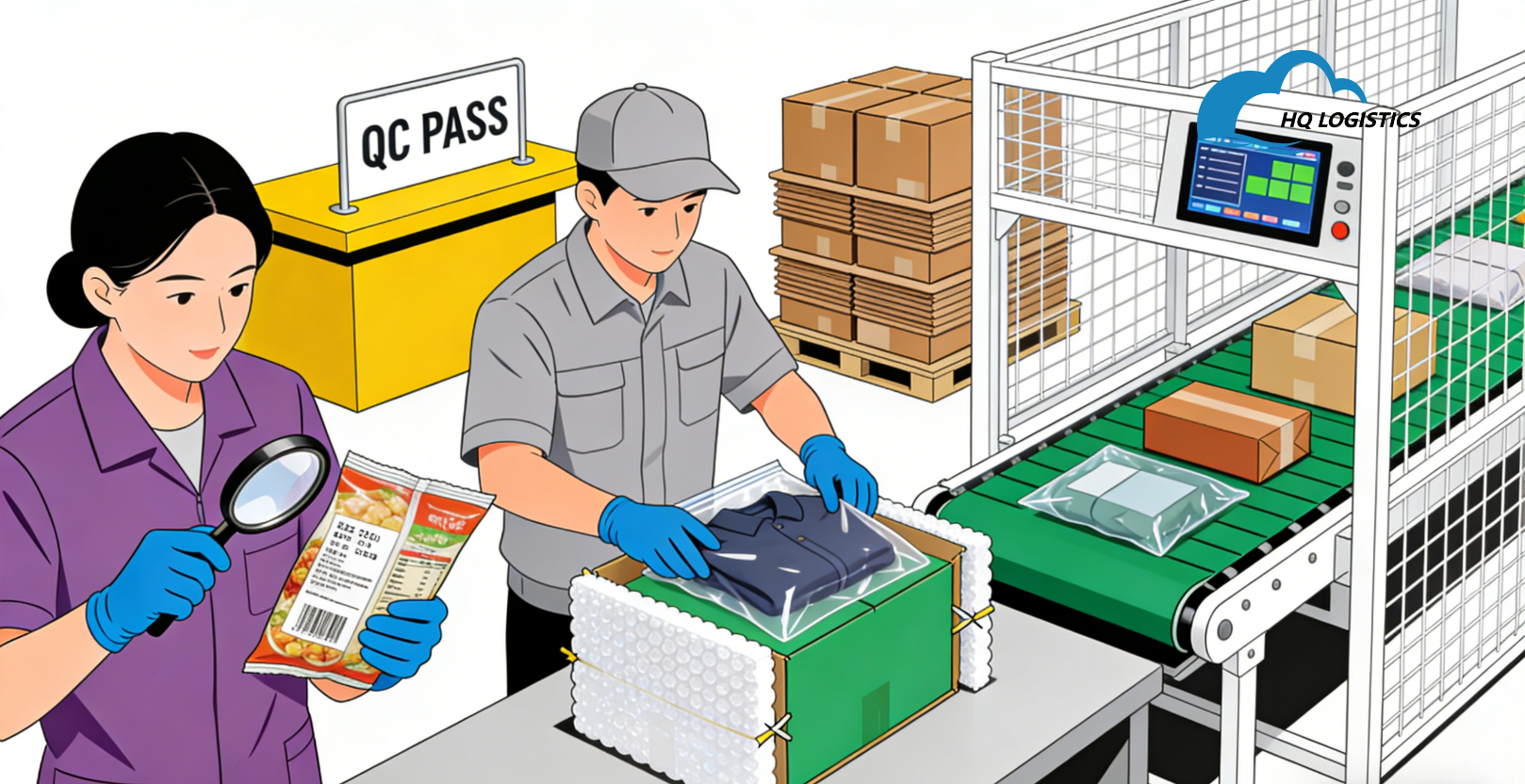
Damage usually isn't caused by one mistake.
It's the result of small gaps across the process.
Common causes:
No incoming product inspection
Weak or incorrect packaging
No drop / pressure testing
Rushed packing during peak seasons
No accountability at the fulfillment center
This is where quality control fulfillment matters.
Quality control is not just “checking the box.”
A professional fulfillment center quality control associate follows structured steps.
Good QC systems include:
Incoming inspection
Pre-pack QC
Packaging standards
Final outbound checks
Visual documentation
Without this structure, damage rates climb fast.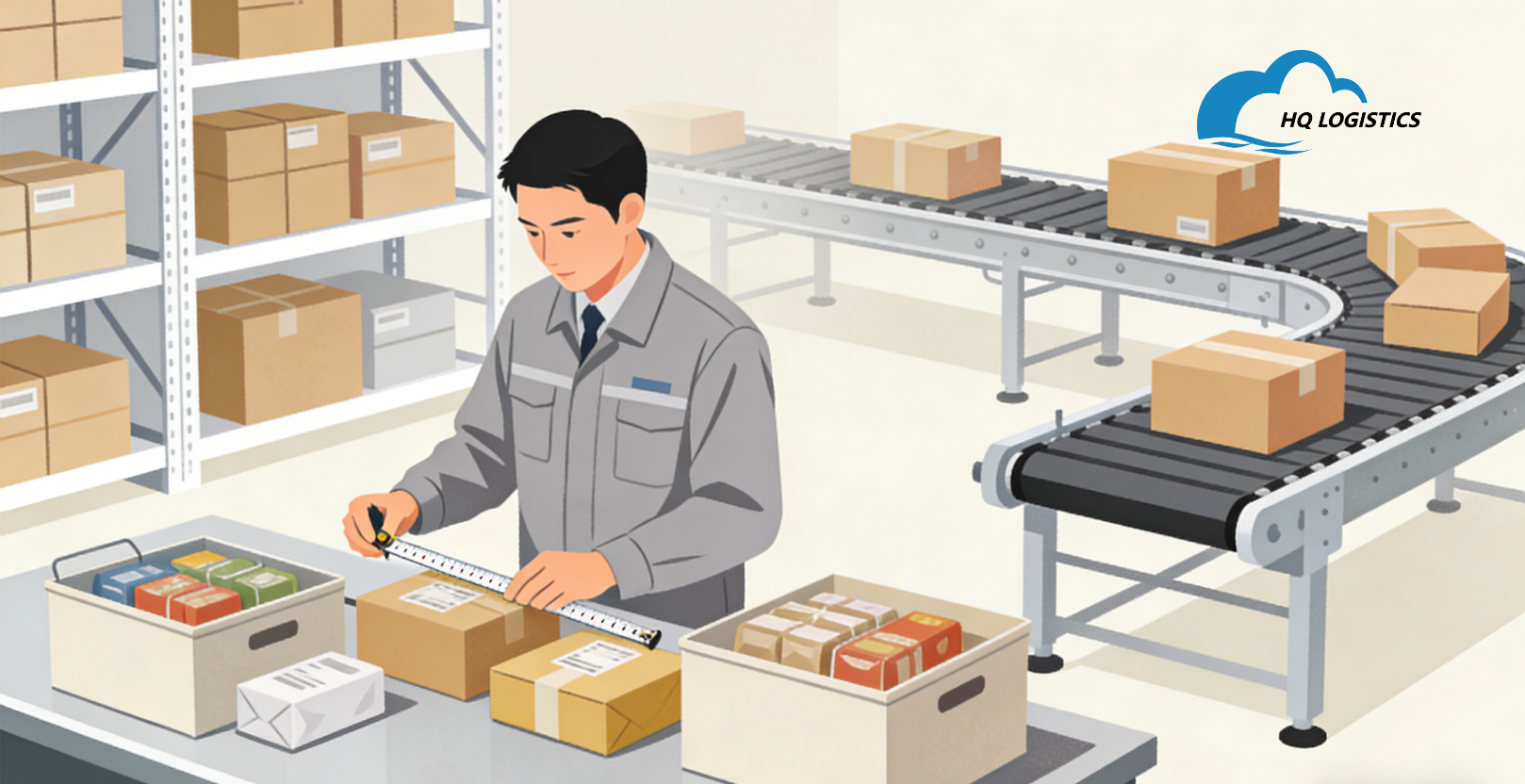
Every batch should be checked before entering the warehouse.
What to inspect:
Product appearance | Functionality | Fragile points | Factory defects
This step alone can prevent bulk returns.
Each product needs its own QC checklist.
Examples:
Glass items | reinforced inner boxes | Electronics | anti-static bags | Apparel | moisture protection
Generic packing causes damage.
SKU-based QC reduces it.
Shipping damage often happens after the warehouse.
Smart packaging considers:
Line type (air | special line | DDP) | Transit length | Sorting frequency
Good packaging = protection + cost balance.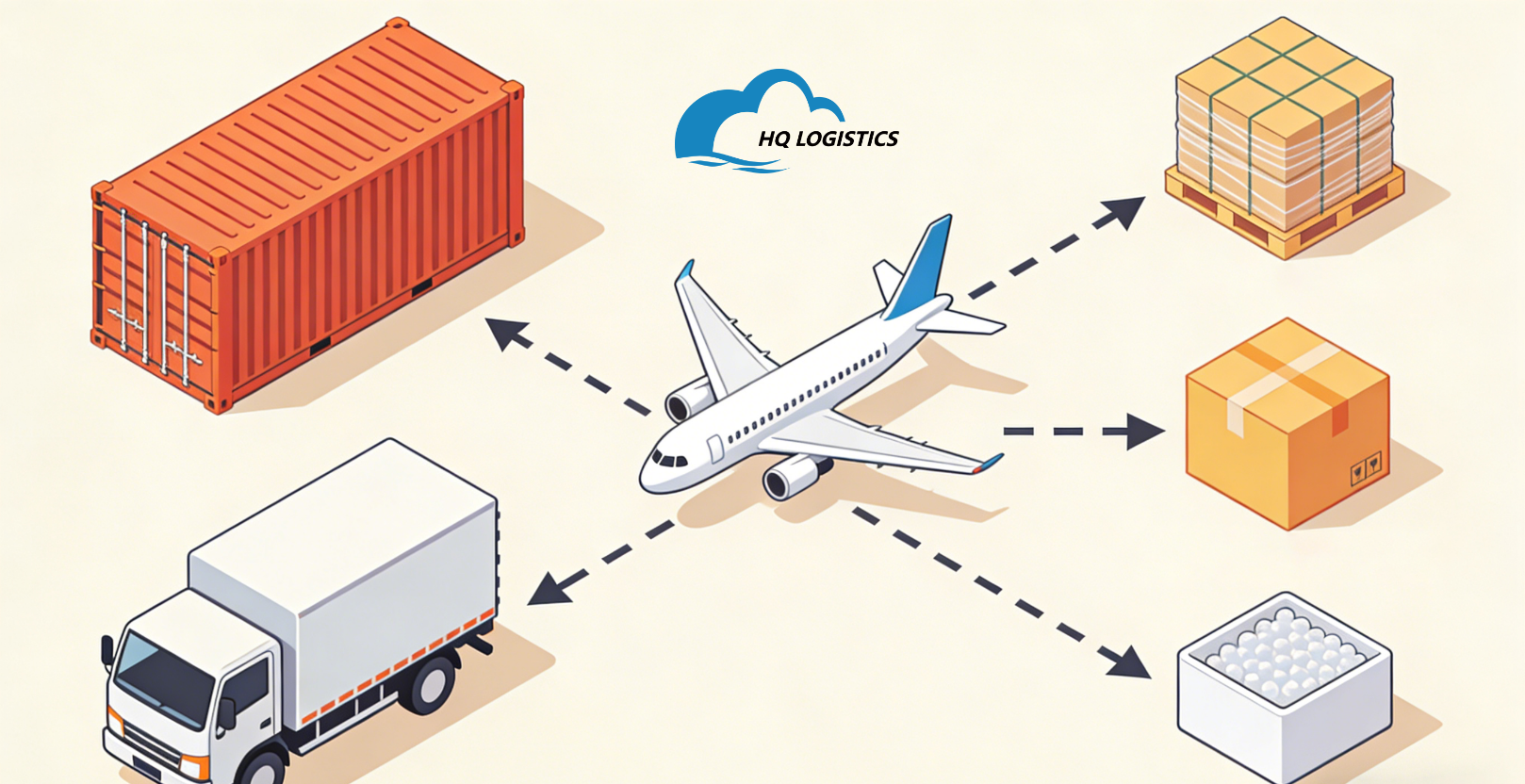
A real China fulfillment partner tests packaging.
Common tests:
80–100cm drop test | Box compression test | Shake simulation
If it fails in testing, it will fail in real shipping.
This protects both sides.
QC documentation includes:
Product condition photos | Packaging photos | Label confirmation
This reduces disputes and improves trust.
Before pickup, a final QC scan ensures:
Correct SKU | Correct quantity | Correct packaging | No visible damage
This is the last line of defense.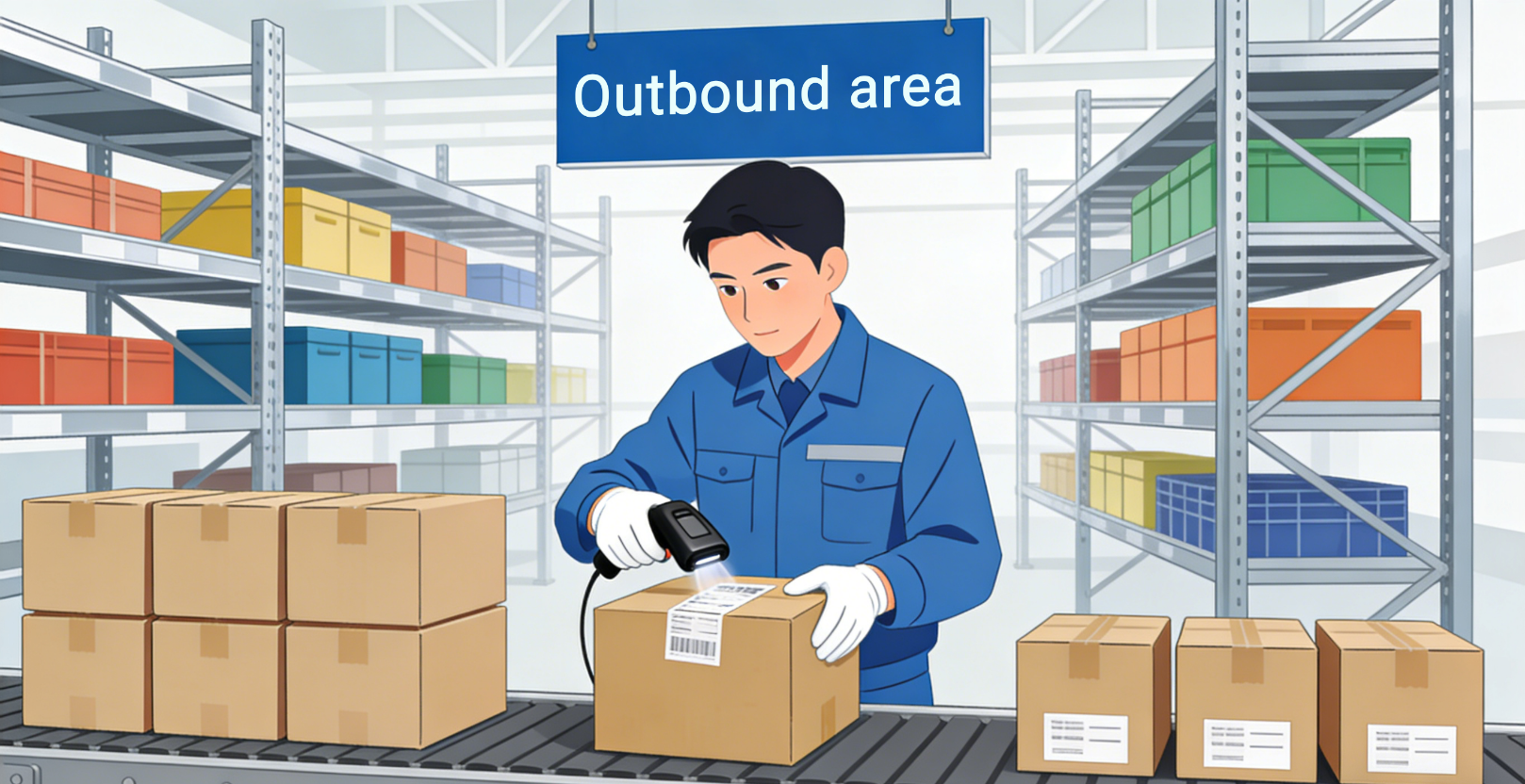
Better QC leads to:
Fewer “damaged item” reviews | Lower refund rates | Higher repeat purchase rate | Better ad performance
Shipping damage isn't just a logistics cost.
It's a growth limiter.
One Shopify seller shipped fragile home products.
Damage rate was ~6%.
After adding:Reinforced inner packaging | Drop testing | Mandatory QC photos
Damage dropped below 1%.
Refunds decreased. Reviews improved. Ads scaled again.
That's the ROI of QC.
Ask these questions:
Do you inspect before storage?
Do you offer SKU-based QC rules?
Are QC photos standard or extra?
Who is responsible if damage occurs?
If answers are vague — that's a red flag.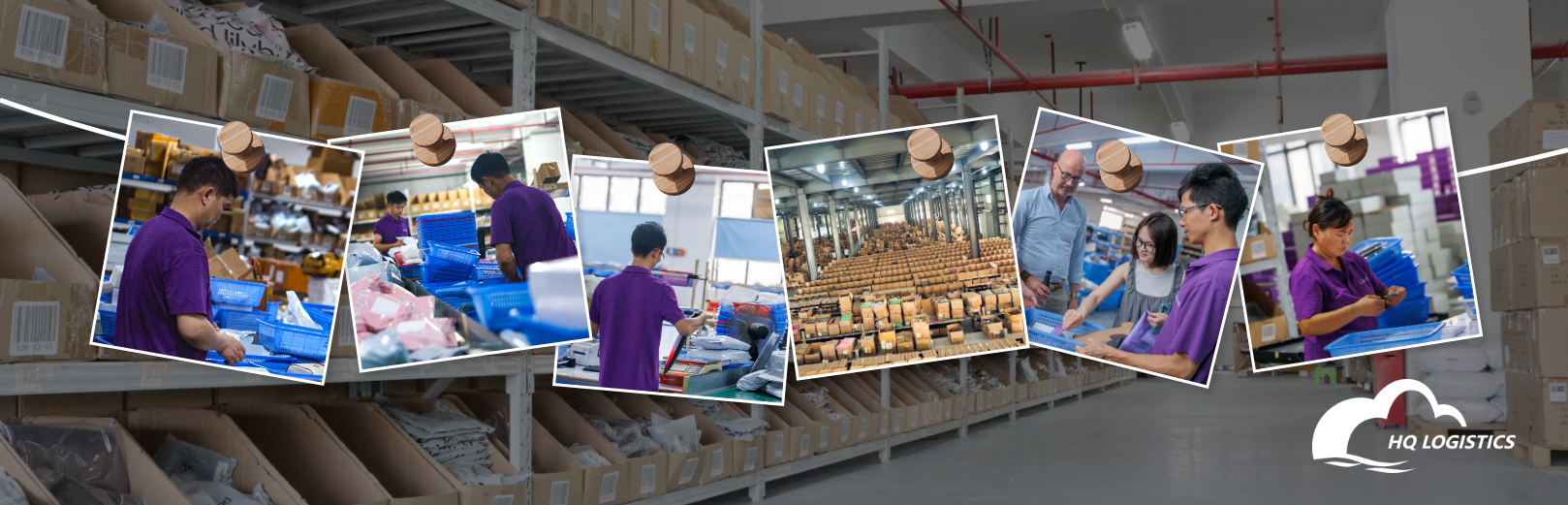
What is quality control fulfillment?
It's a structured process that checks products before, during, and after packing to reduce defects and shipping damage.
Is QC expensive in China fulfillment?
Basic QC is low-cost. The cost of returns and bad reviews is much higher.
Who performs QC in a fulfillment center?
A trained fulfillment center quality control associate, not random warehouse staff.
Does QC slow down shipping?
No. Proper QC reduces delays caused by returns and re-shipments.
Is QC necessary for non-fragile products?
Yes. Most damage comes from packaging errors, not product type.
Shipping damage is not inevitable.
It's usually a sign of missing systems.
Strong QC in China fulfillment protects your margins, reviews, and brand reputation.
📩 Email: zoye@fulfillment-cn.com
Previous Recommendations






Don't wait until next year, grab the chance on 2025. Here are some recommended ecommerce topic you can choose.
Thanks to the support and trust from our customers. Flashback with our beloved partners.