 Fulfillment< @ >HQ Group

Local or China-based? Choose the right fulfillment model for your margins.
As eCommerce brands scale, fulfillment quickly becomes more than a logistics question — it becomes a profit, customer experience, and growth strategy decision.
Should you ship from a local warehouse close to your customers,
or rely on China-based fulfillment for flexibility and cost efficiency?
Let's break down both models and help you choose the right fulfillment strategy for your brand.
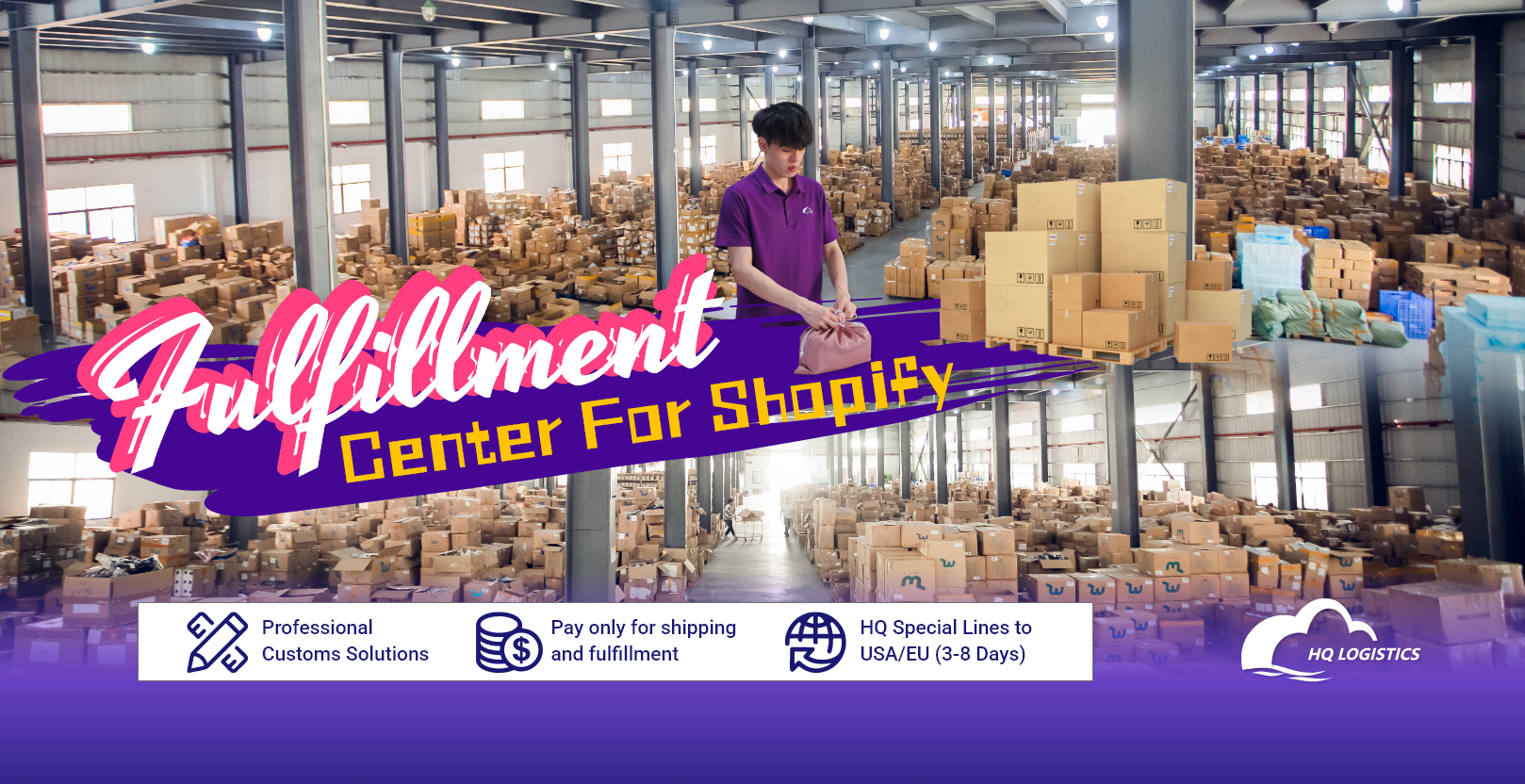
Local fulfillment means storing inventory in warehouses located near your target market (such as the US, EU, or UK), then shipping orders domestically.
Common benefits: Faster last-mile delivery (1–5 days) | Lower domestic shipping risk | Easier returns and exchanges | Better experience for repeat customers
Common challenges: Higher warehousing and labor costs | Inventory pressure (overstock or dead stock) | Less flexibility when testing new products | Requires stronger demand forecasting
Local warehouses work best when volume is stable and predictable.
China fulfillment ships orders directly from China after the order is placed, often combined with sourcing, quality inspection, and custom packaging.
Common benefits: Lower storage and fulfillment costs | No MOQ or flexible inventory model | Easy product testing and fast SKU switching | Integrated sourcing + fulfillment workflow
Common challenges: Longer delivery times (typically 5–10 days) | Higher expectations on supplier coordination | More reliance on fulfillment partner quality control
China-based fulfillment favors flexibility and margin protection, especially in early or scaling stages.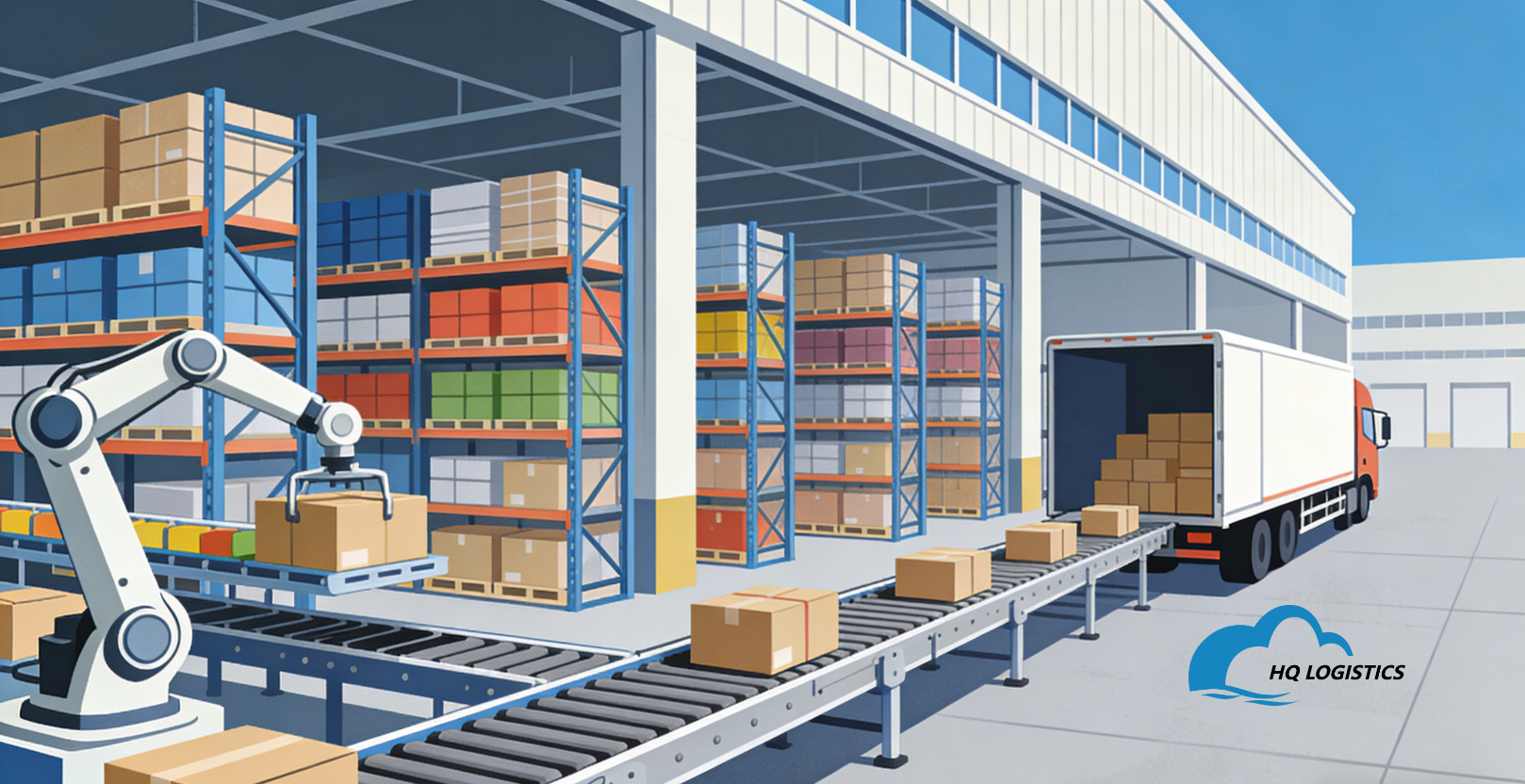
| Factor | Local Warehouse | China Fulfillment |
| Delivery Speed | Very fast | Fast international (5–10 days) |
| Upfront Inventory | High | Low / No MOQ |
| Cost Structure | Higher fixed costs | Lower variable costs |
| Product Testing | Limited | Very flexible |
| Scaling New Markets | Slower | Faster |
| Best For | Mature brands | Growing & testing brands |
You have consistent daily order volume | Your brand promises 2–3 day delivery | You sell high-repeat or subscription products | You prioritize local returns and CX optimization
You're testing products or scaling fast | You want to protect margins | You manage multiple SKUs or seasonal items | You want sourcing + fulfillment under one system
Many successful brands don't choose just one — they combine both.
A growing number of brands use a hybrid model:
Best-selling SKUs stored in local warehouses | New, long-tail, or test products shipped from China | Inventory shifted locally only after demand is proven
This approach balances speed, cost, and risk — without locking your business into one rigid system.
Is China fulfillment slower than local warehouses?
Local warehouses are faster (1–3 days), but China fulfillment can still deliver in 5–10 days, which works for most eCommerce brands.
Which option is more cost-effective?
China fulfillment has lower upfront costs and no MOQ. Local warehouses cost more but can be efficient at scale.
Can I use both models together?
Yes. Many brands use a hybrid strategy — bestsellers locally, test products shipped from China.
When should I move to a local warehouse?
When demand is stable and order volume is predictable.
Can China fulfillment support branding?
Yes. Custom packaging and inserts are commonly supported.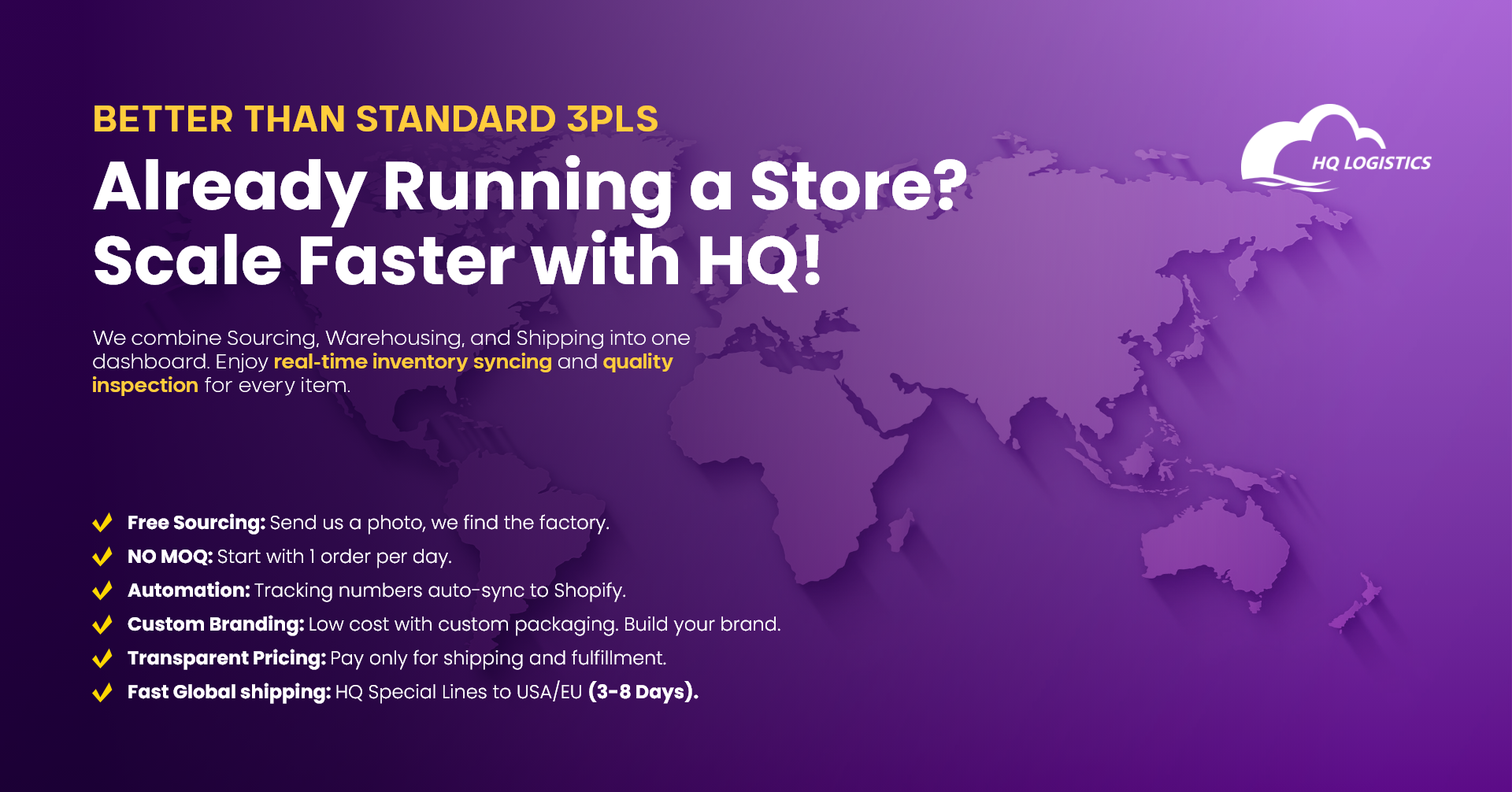
There's no “best” fulfillment model — only the one that fits:
Your margins | Your order volume | Your growth stage
The right fulfillment center locations can unlock faster scaling, better cash flow, and stronger customer trust.
👉 Book a 1:1 strategy call to map out a fulfillment strategy tailored to your brand — not someone else's playbook.
📩 Email: zoye@fulfillment-cn.com
Previous Recommendations





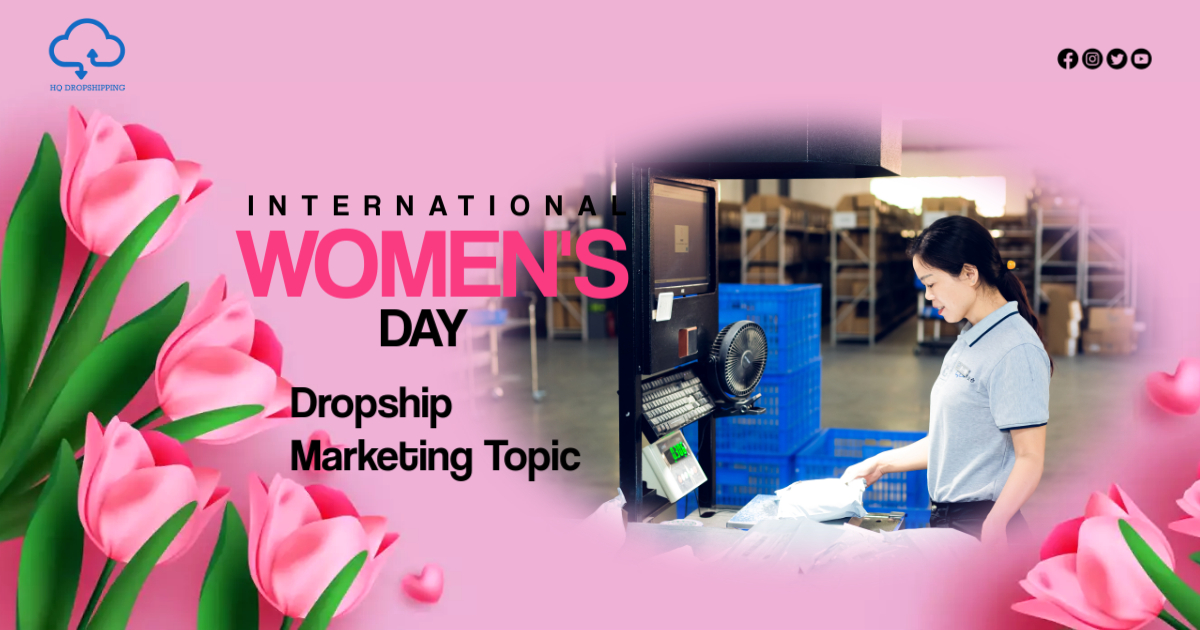
Don't wait until next year, grab the chance on 2025. Here are some recommended ecommerce topic you can choose.
Thanks to the support and trust from our customers. Flashback with our beloved partners.