 Fulfillment< @ >HQ Group

Social Hook
What can DTC brands learn from big retailers' fulfillment playbooks?
Big retailers don't win on ads alone.
They win on fulfillment discipline.
Their advantage comes from retail fulfillment models designed to handle volume, volatility, and peak demand — without breaking operations.
For growing e-commerce brands, these enterprise fulfillment lessons are increasingly relevant.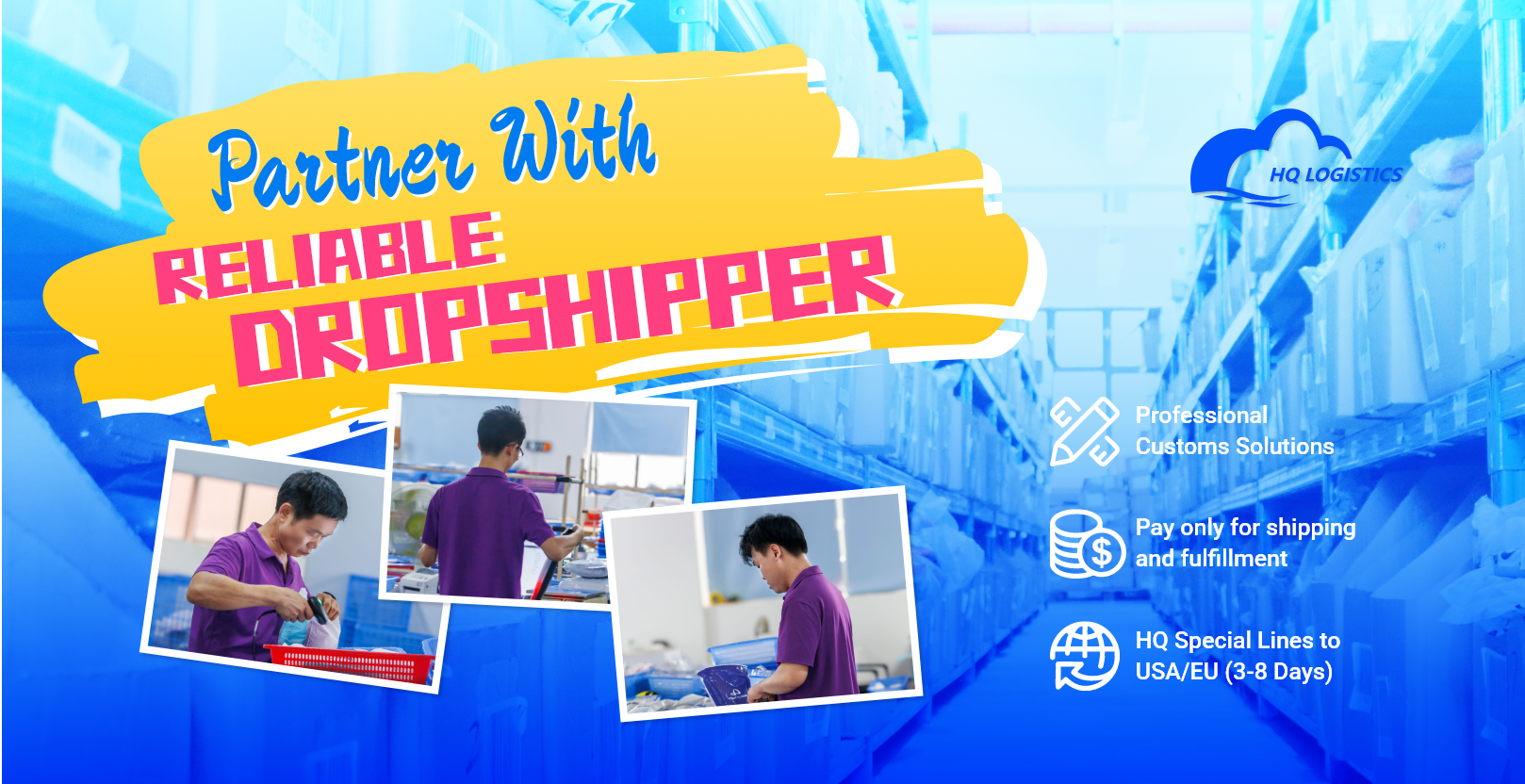
Large retailers design fulfillment around systems, not individual orders.
Key characteristics include:
speed consistency | redundancy | standardized processes | predictable cost control
Unlike small-scale setups, enterprise models assume growth will continue — and prepare for it in advance.
Big retailers prioritize:
repeatable workflows | defined SLAs | capacity planning
This reduces dependency on manual intervention and prevents breakdowns during traffic spikes.
For e-commerce brands, the takeaway is simple:
if fulfillment only works when volumes are low, it's not scalable.
Enterprise fulfillment relies on:
multi-location inventory | demand forecasting | fast replenishment cycles
Inventory is placed based on order flow — not convenience.
Brands applying this lesson reduce:
delivery time | shipping cost volatility | customer complaints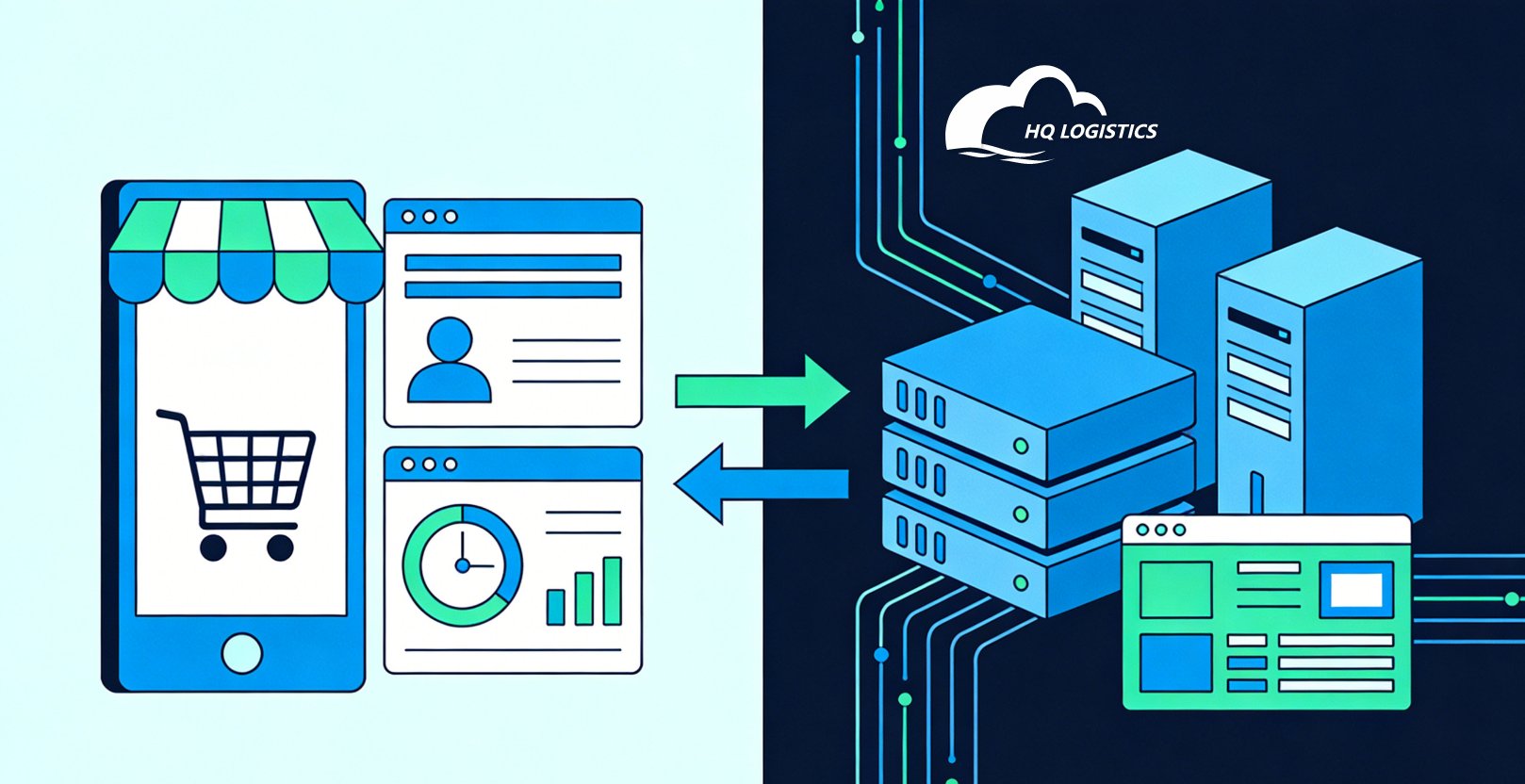
Big retailers monitor:
pick speed | order accuracy | carrier performance | cost per order
Fulfillment data is used to optimize — not just report.
For DTC brands, this means treating fulfillment metrics as growth inputs, not backend noise.
You don't need to be a big retailer to think like one.
Brands can start by: Standardizing fulfillment workflows | Aligning inventory with real demand patterns | Working with partners that support scale, not just fulfillment
Enterprise thinking begins long before enterprise volume.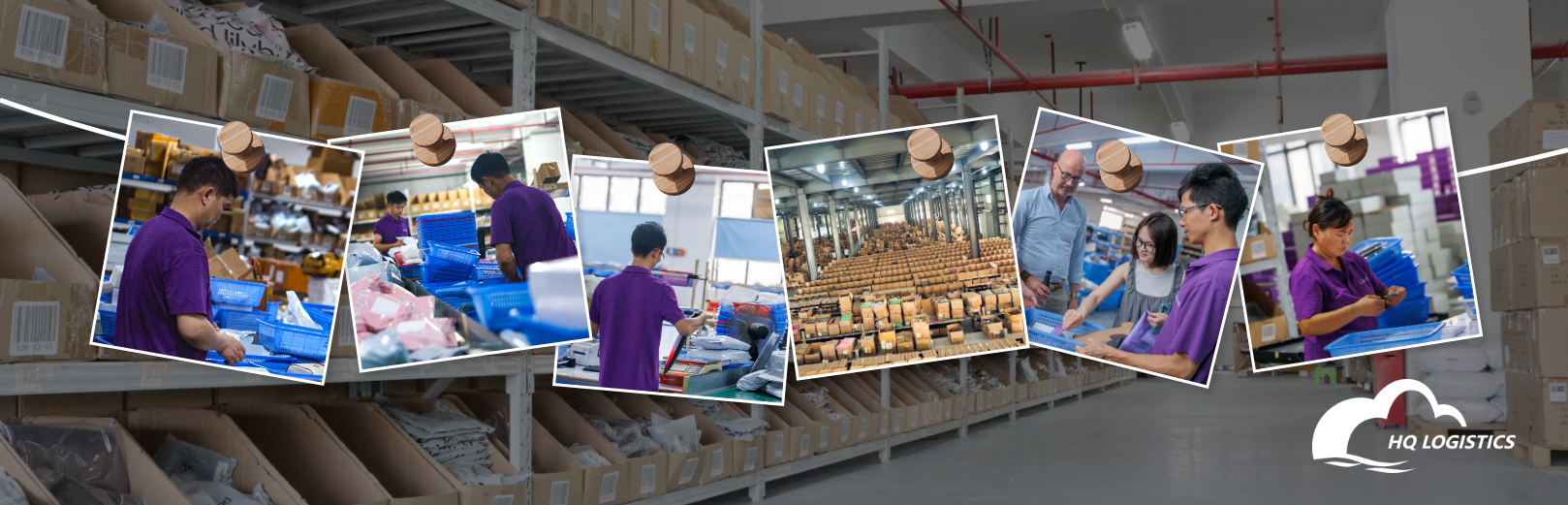
Q1: Do small or mid-size brands really need enterprise fulfillment thinking?
Yes. Enterprise thinking prevents breakdowns before volume becomes unmanageable.
Q2: Is enterprise fulfillment only about speed?
No. It’s about consistency, predictability, and controlled scaling — speed is just one outcome.
Q3: Can brands apply retail fulfillment models without owning warehouses?
Absolutely. The model is about system design, not asset ownership.
Q4: What’s the biggest mistake brands make when trying to scale fulfillment?
Relying on manual processes that worked at low volume but fail under pressure.
Retail leaders scale because fulfillment is designed for pressure.
👉 Contact us to scale enterprise fulfillment solutions built for serious growth.
📩 Email: zoye@fulfillment-cn.com
Previous Recommendations





Don't wait until next year, grab the chance on 2025. Here are some recommended ecommerce topic you can choose.
Thanks to the support and trust from our customers. Flashback with our beloved partners.