 Fulfillment< @ >HQ Group

Returns can be costly — set up a smarter reverse logistics flow.
For eCommerce brands fulfilling orders from China, outbound shipping often gets most of the attention.
But as order volume grows, returns processing and reverse logistics can quickly become a hidden cost center.
A clear, well-designed returns strategy doesn’t just reduce losses — it protects margins, customer trust, and long-term scalability.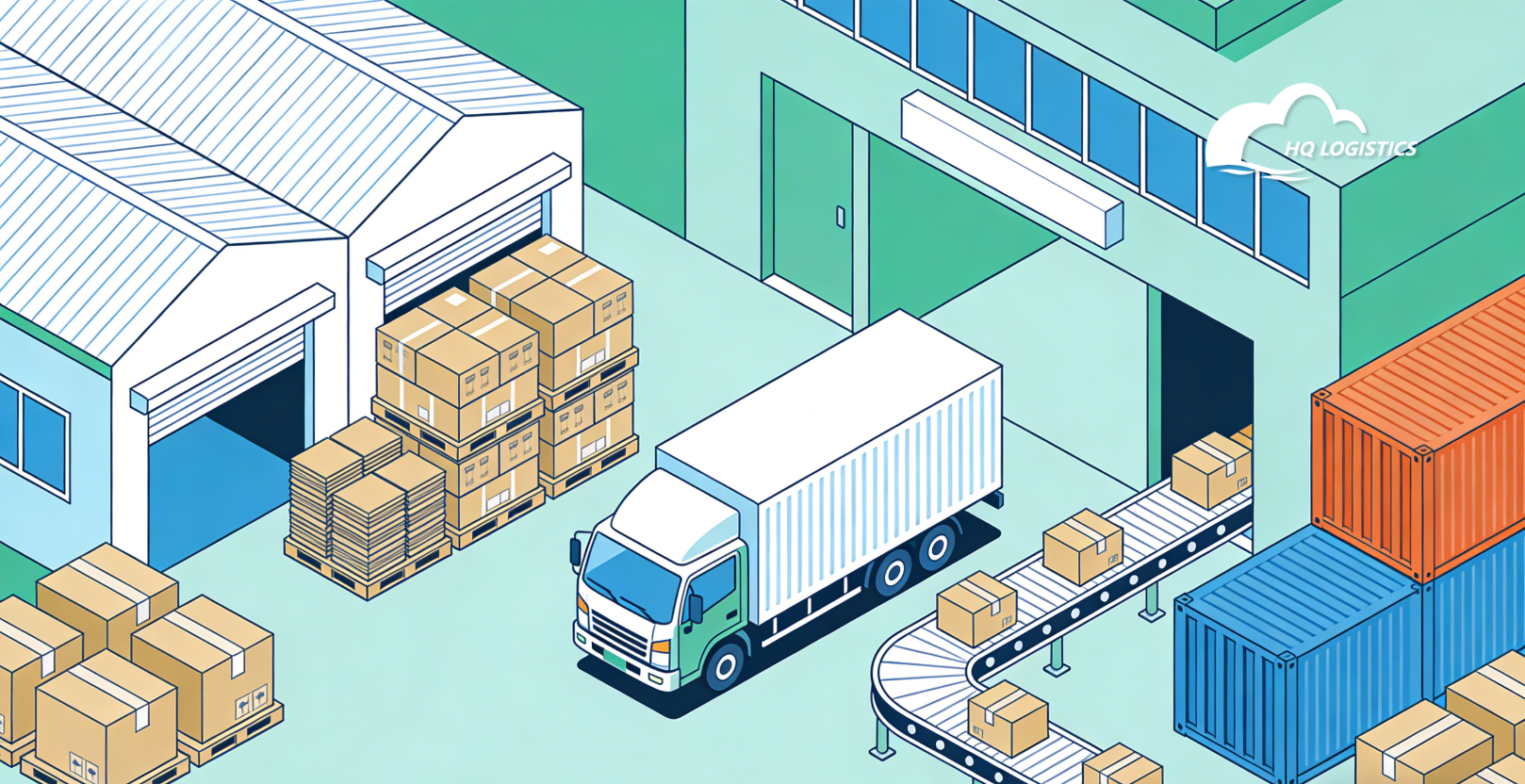
Compared with local fulfillment, returns from China involve more variables:
Higher international return shipping costs | Longer transit times and tracking gaps | Customs and compliance considerations | Lower resale value for returned items
Without structure, many brands end up refunding orders without ever recovering product value.
Not every product should follow the same return path.
Low-cost items → refund without return | Defective items → reship after verification | High-value SKUs → consolidated returns for inspection
Clear rules reduce unnecessary shipping and decision delays.
Instead of shipping every return back to China individually:
Collect returns locally (US / EU hubs) | Consolidate shipments before sending them back | Inspect items before international transit
This significantly lowers reverse logistics costs.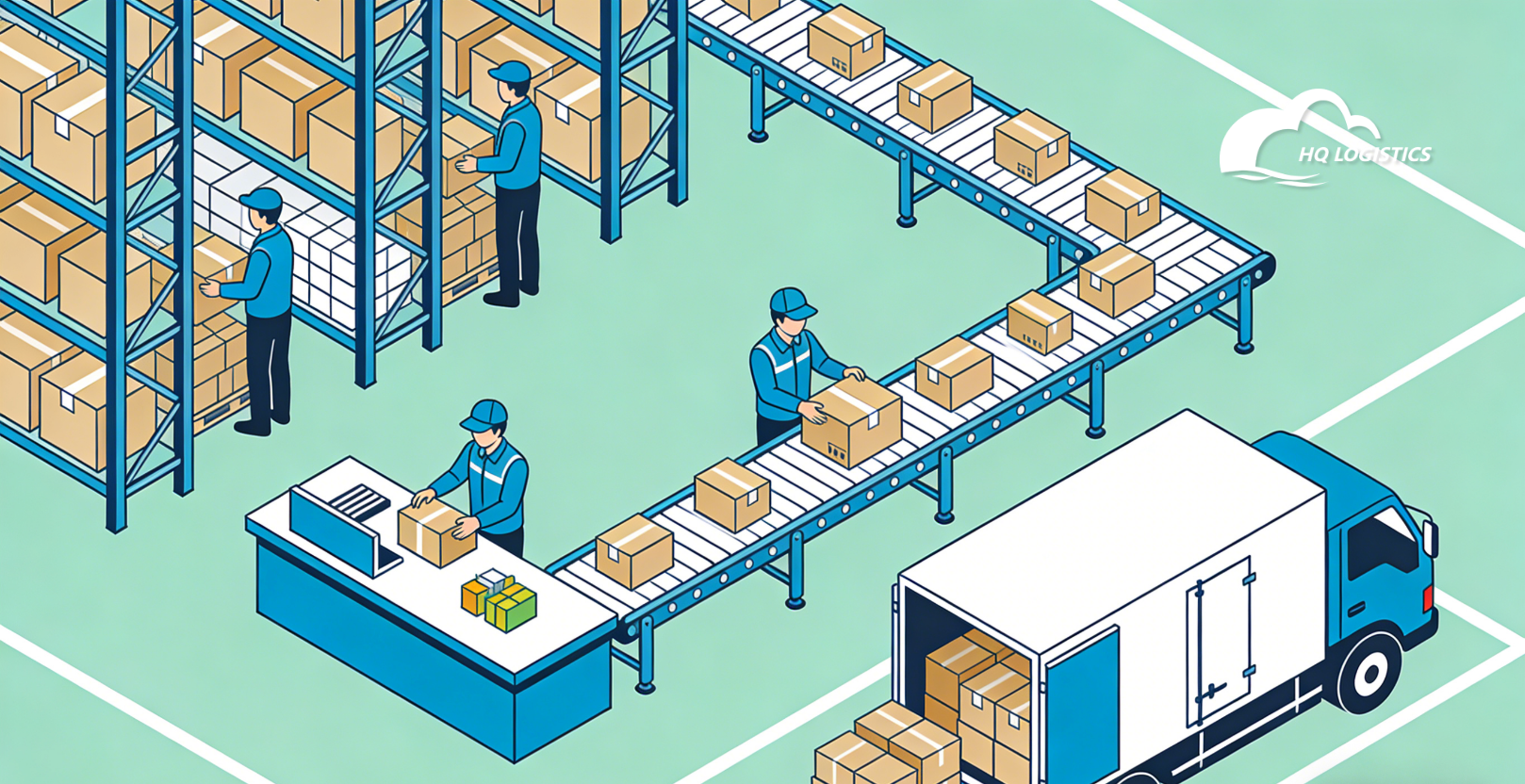
Returns shouldn’t live only in your customer service inbox.
Track and analyze:
Return reasons | Product defect rates | Regional patterns | Refund vs reship decisions
Strong returns processing data helps prevent repeat issues and improves product quality upstream.
Speed matters in reverse logistics.
Set predefined rules for:
Reshipping sellable items | Refurbishing or repackaging | Writing off unsellable inventory
Fast decisions reduce storage and handling costs.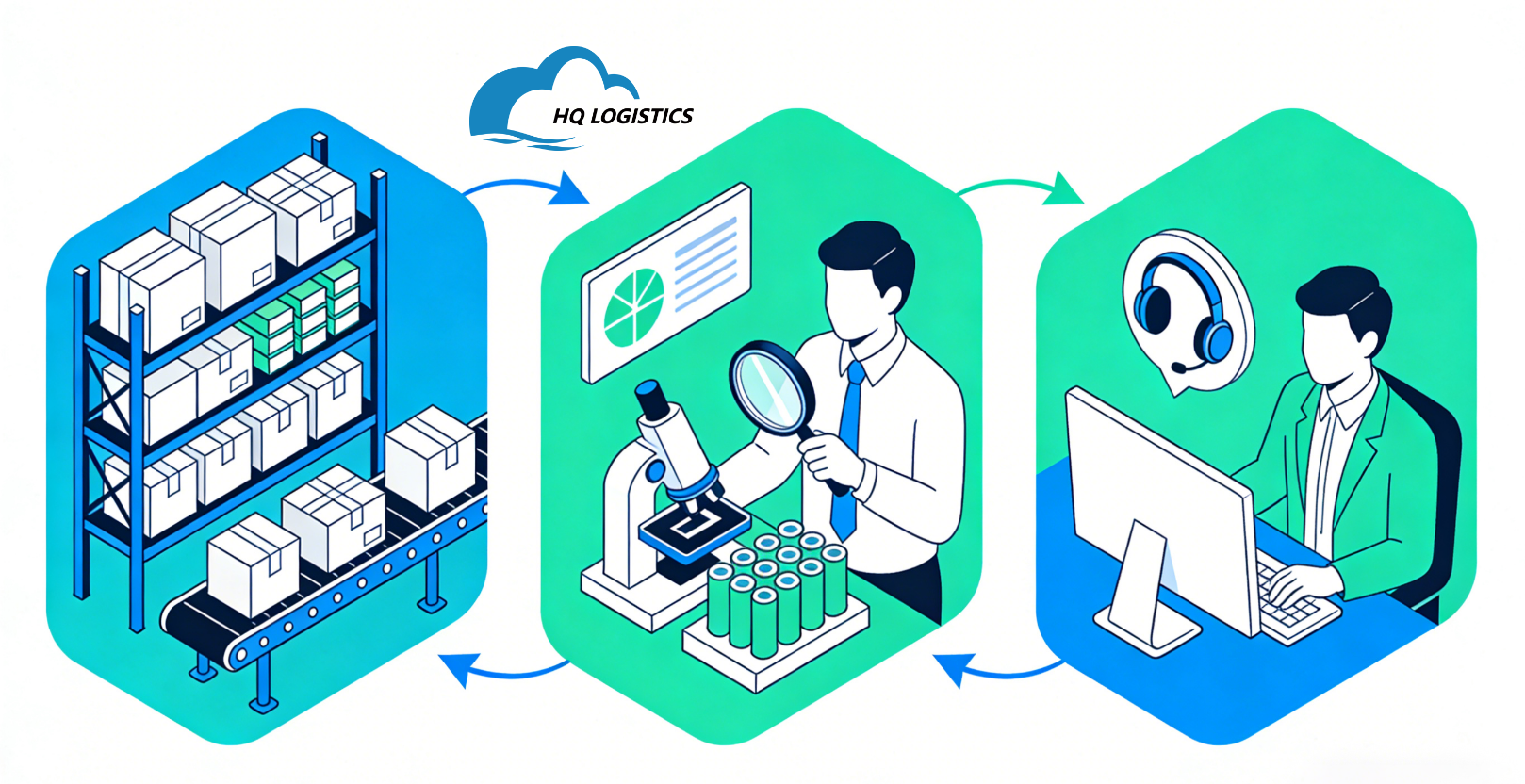
Returns are not just a logistics issue.
When fulfillment teams, quality control, and customer support share the same workflow:
Fewer disputes occur | Root causes are identified faster | Customer satisfaction improves
Reverse logistics works best as a cross-team system.
China fulfillment remains effective when:
Return rates are low or controlled | Product quality inspection is done before shipping | A structured reverse logistics flow is in place | Costs are evaluated per SKU, not per order
With the right setup, returns don’t have to eliminate the margin advantage of China-based fulfillment.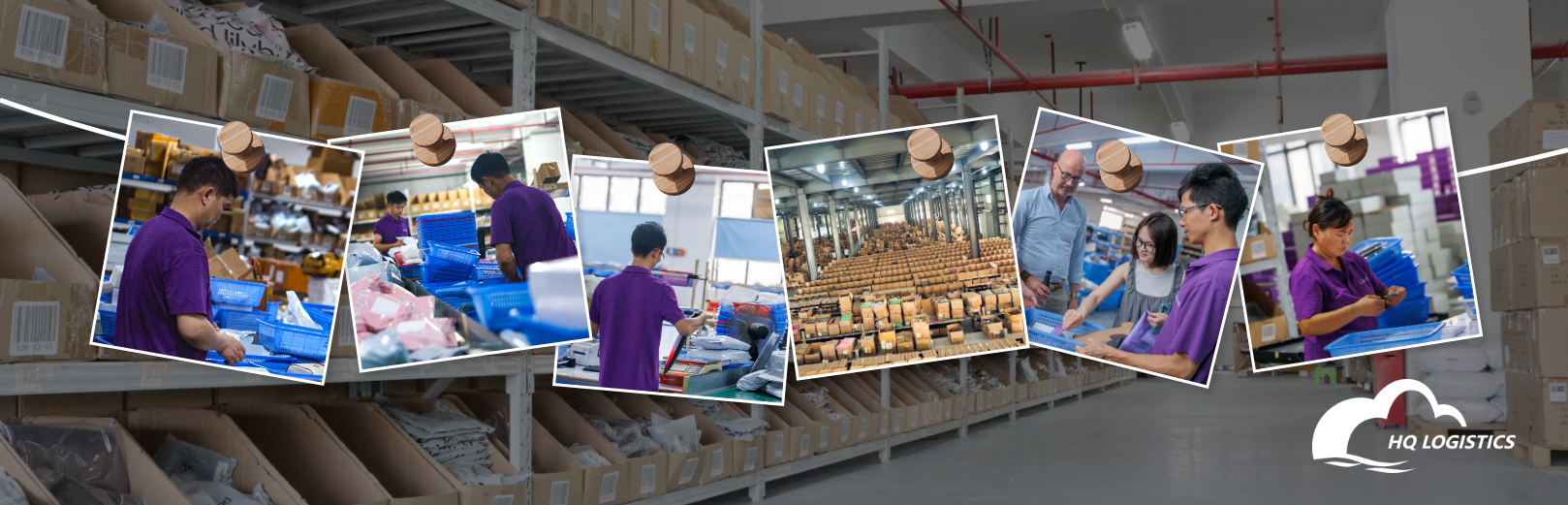
Do customers need to return items to China?
Not always. Many brands choose local return collection or refunds without return for low-value items to reduce costs.
How can I reduce return shipping costs from China fulfillment?
Use local consolidation, set SKU-based return rules, and avoid international returns for low-margin products.
Is reverse logistics from China worth it?
Yes, if return rates are controlled and decisions (reship, refurbish, write-off) are made quickly and consistently.
What products should be returned vs refunded?
High-value or resellable items are usually returned. Low-cost items are often refunded without return.
Can China fulfillment support structured returns processing?
Yes. With the right partner, returns can be tracked, inspected, and managed within a defined workflow.
Returns are inevitable in eCommerce.
Unplanned returns are expensive.
By building a smarter reverse logistics China strategy, brands can:
Reduce refund losses | Improve decision speed | Protect customer experience | Maintain healthy margins
👉 Request returns-processing options & pricing to design a reverse logistics flow that fits your fulfillment model — not against it.
📩 Email: zoye@fulfillment-cn.com
Previous Recommendations






Don't wait until next year, grab the chance on 2025. Here are some recommended ecommerce topic you can choose.
Thanks to the support and trust from our customers. Flashback with our beloved partners.