 Fulfillment< @ >HQ Group

Baby products can be a strong category for ecommerce brands, but building a successful baby product business requires more than finding products at a good price.
Parents care about safety, quality, materials, packaging, and reliability. At the same time, ecommerce brands need stable suppliers, consistent inventory, efficient fulfillment, and dependable shipping.
As your baby product brand grows, a weak supply chain can quickly become a bottleneck.
So how can you build a supply chain that is reliable enough to support long-term growth?
Here are 5 practical ways to build a more reliable supply chain for baby product brands.
Baby products are closely connected to customer trust.
A delayed order can be frustrating for any customer, but a poor-quality baby product can create a much bigger problem for parents and your brand.
Your supply chain needs to control more than product cost.
Product Quality | Supplier Reliability | Inventory Availability | Quality Inspection | Packaging | Fulfillment | Shipping | Customer Experience
This is why baby product brands should think about the entire supply chain instead of focusing only on sourcing.
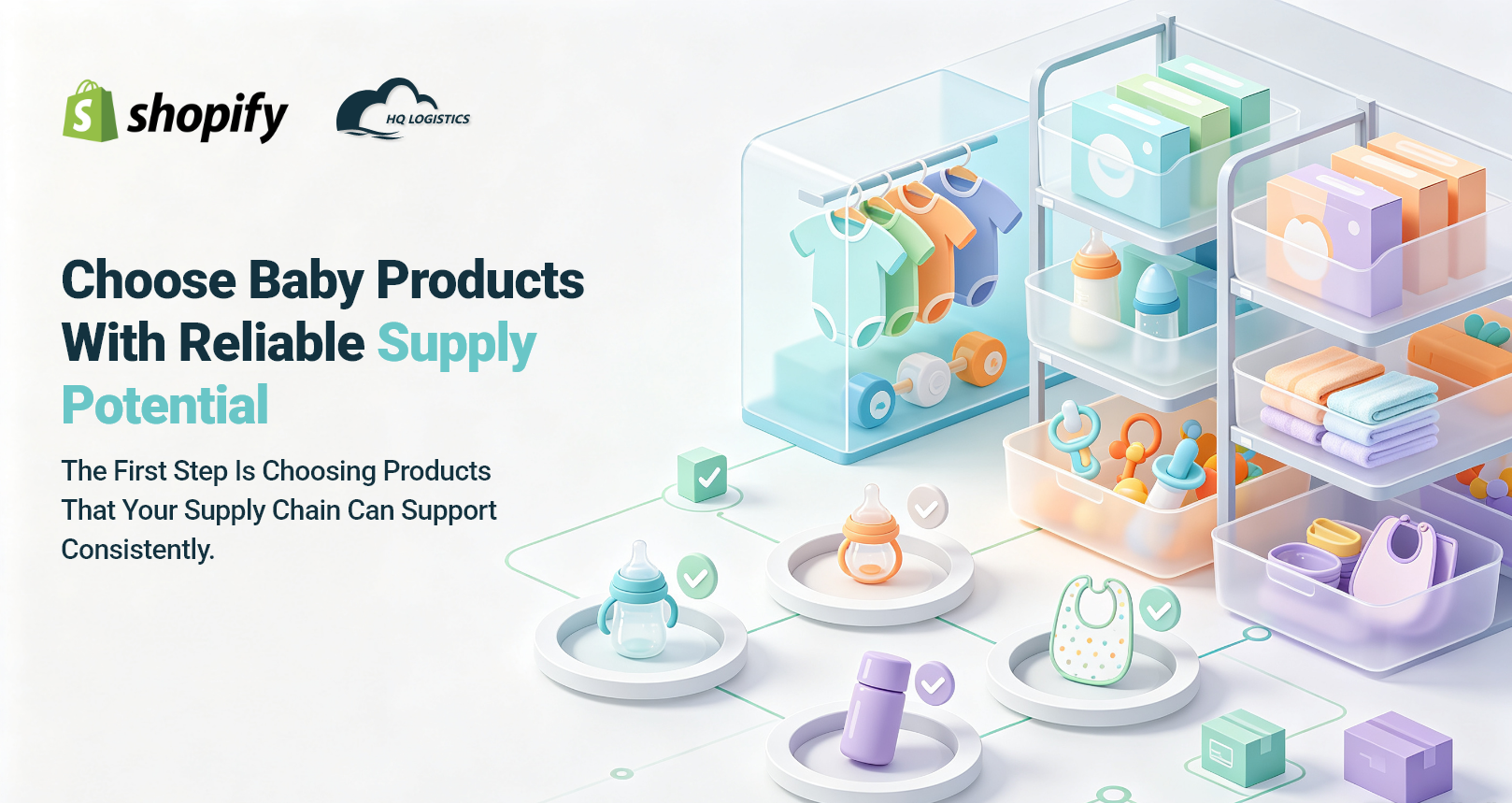
The first step is choosing products that your supply chain can support consistently.
A product may look attractive because it has high demand, but that does not automatically make it a good ecommerce product.
Before adding a baby product to your store, consider its materials, quality requirements, supplier capacity, packaging, shipping requirements, and potential return risks.
If you are building or expanding a baby product store, consider product categories such as:
Baby Feeding Accessories | Baby Bibs | Silicone Bowls and Plates | Baby Spoons | Pacifier Cases | Diaper Bags | Nursery Organizers | Baby Bath Accessories | Stroller Accessories | Baby Travel Accessories
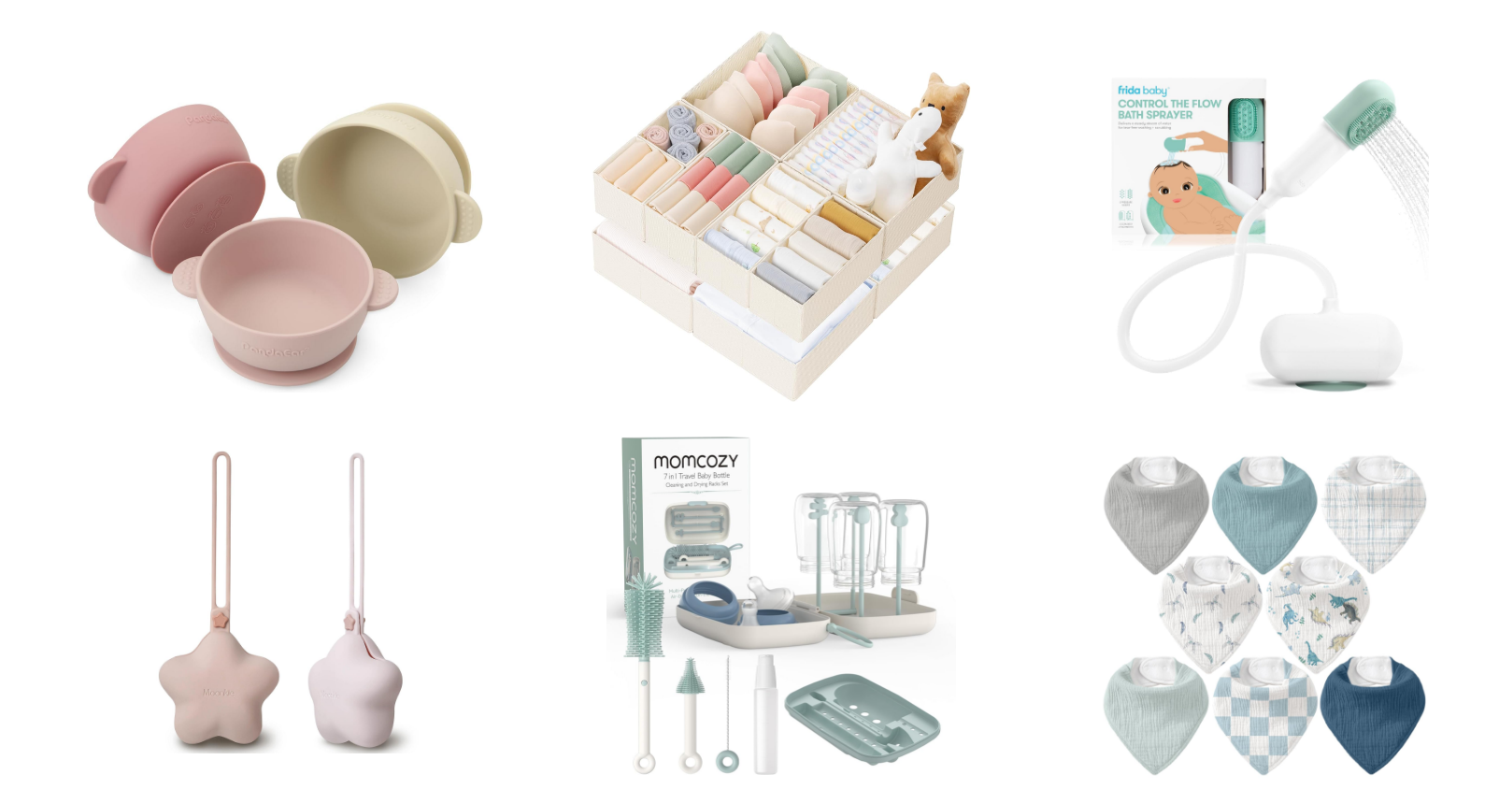
These products can be interesting for ecommerce because many are lightweight, practical, and suitable for branding.
However, product suitability depends on the specific product, materials, applicable regulations, and target market.
For example, a simple nursery organizer may have very different sourcing and compliance considerations from a feeding product or a product intended for direct contact with a baby.
The key is to evaluate the whole product and supply chain, not just its selling price.
Relying entirely on one supplier can create unnecessary risk.
Imagine your best-selling baby product suddenly goes viral.
Orders increase rapidly, but your supplier cannot increase production quickly enough. Inventory falls, replenishment takes longer, and customers start waiting for their orders.
A second qualified supplier can give your business more flexibility.
Primary Supplier | Backup Supplier | Alternative Product Source | Supplier Comparison | Flexible Replenishment
Having multiple supplier options does not mean constantly changing suppliers.
Instead, it means having alternatives that you can activate when demand increases, production problems occur, or a supplier cannot meet your requirements.
For baby products, supplier selection should consider quality, production capability, communication, consistency, and reliability, not only price.
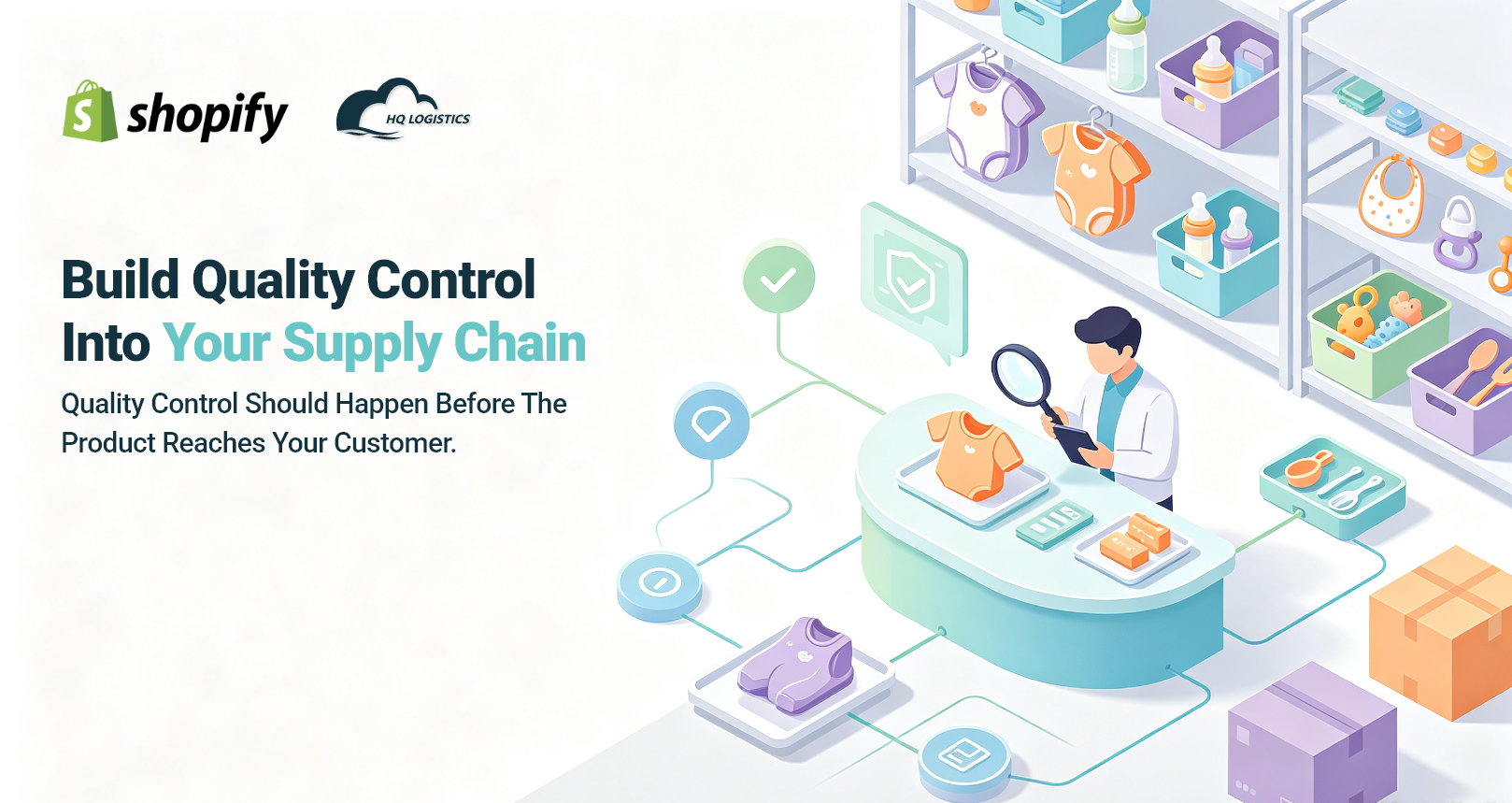
Quality control should happen before the product reaches your customer.
This is especially important for baby products because parents expect products to be safe, consistent, and well made.
Depending on the product, quality checks may include:
Material and Appearance | Size and Dimensions | Product Function | Color and Finish | Quantity | Packaging Condition | Labeling
You can also start with product samples before placing larger orders.
Samples allow you to evaluate the actual product rather than relying only on supplier photos or descriptions.
For brands selling products such as baby feeding accessories, nursery items, or travel products, testing samples can help identify quality issues before they become customer complaints.
A reliable supply chain should make quality control part of the normal process.
Packaging is often treated as the final step, but for a baby product brand, it can play an important role in both protection and customer experience.
Products need to arrive clean, intact, and properly packaged.
At the same time, branded packaging can help a growing store look more professional.
Depending on your product and market, you could consider:
Branded Boxes | Custom Poly Bags | Product Labels | Thank-You Cards | Instruction Inserts | Hangtags | Protective Packaging
For European baby product brands, eco-friendly packaging can also be worth considering when it fits the product and applicable requirements.
Good packaging should balance product protection, brand presentation, shipping efficiency, and cost.
Oversized packaging can increase shipping costs, while insufficient protection can increase damage and returns.
The right packaging strategy considers all four.
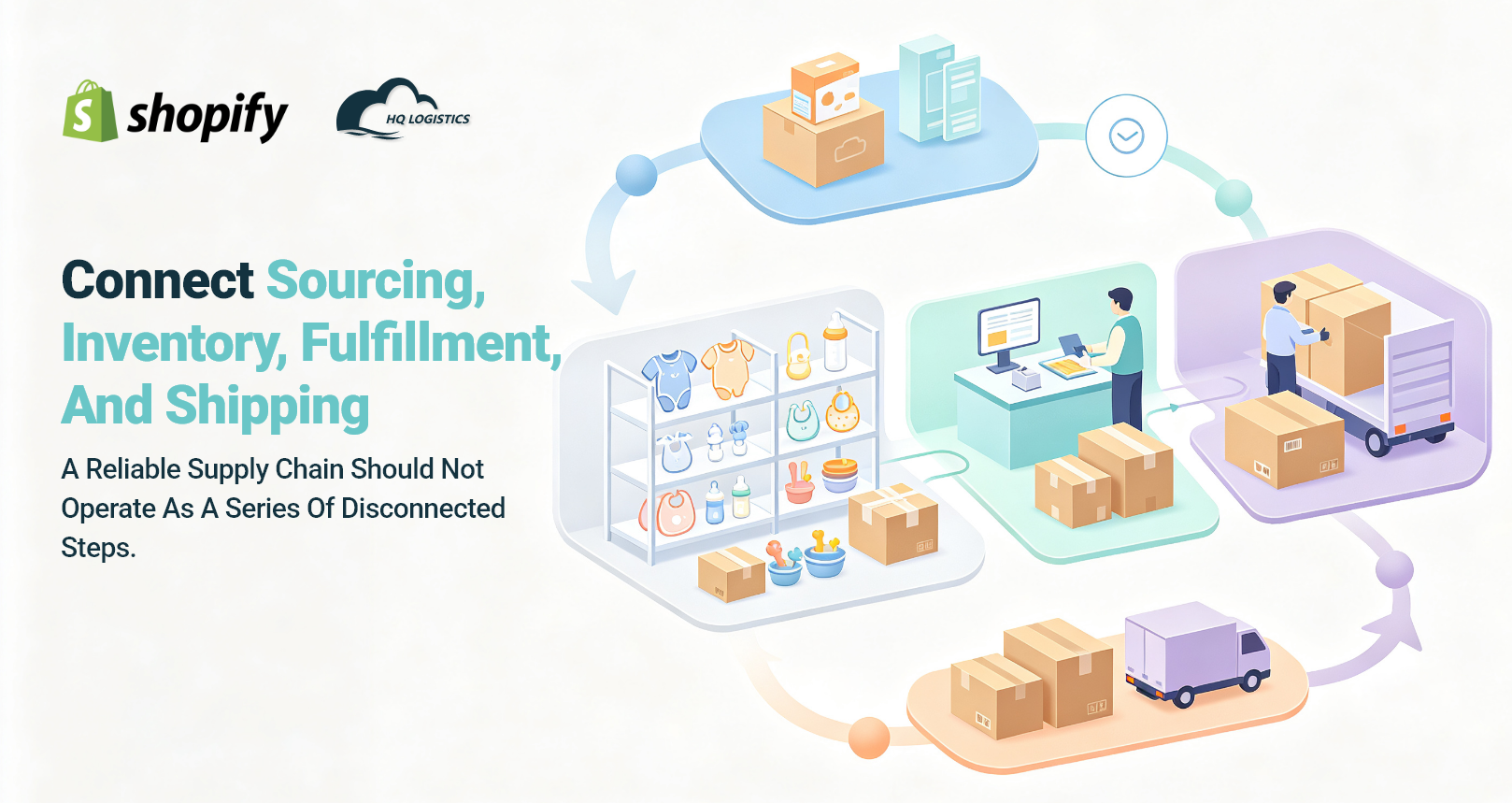
A reliable supply chain should not operate as a series of disconnected steps.
Sourcing affects product cost.
Product quality affects returns.
Inventory affects fulfillment speed.
Packaging affects shipping costs.
Shipping affects customer satisfaction.
Everything is connected.
For a growing baby product brand, a more complete supply chain may look like:
Product Sourcing → Supplier Management → Quality Inspection → Inventory Planning → Custom Packaging → Warehousing → Order Fulfillment → Global Shipping
This approach gives brands more control as order volume increases.
If most of your customers are in one market, overseas warehousing can become useful when your sales volume is stable enough.
For example, U.S. inventory can support domestic U.S. fulfillment, while an EU warehouse can help brands serve customers across multiple EU markets.
Instead of shipping every order internationally from China, brands can consider a hybrid strategy:
China Fulfillment for Flexible Inventory | U.S. Warehouse for U.S. Demand | EU Warehouse for European Demand
The right model depends on sales volume, product characteristics, inventory turnover, and target markets.
If you are looking for additional baby product opportunities, it can be useful to explore products across different customer needs rather than focusing on one category.
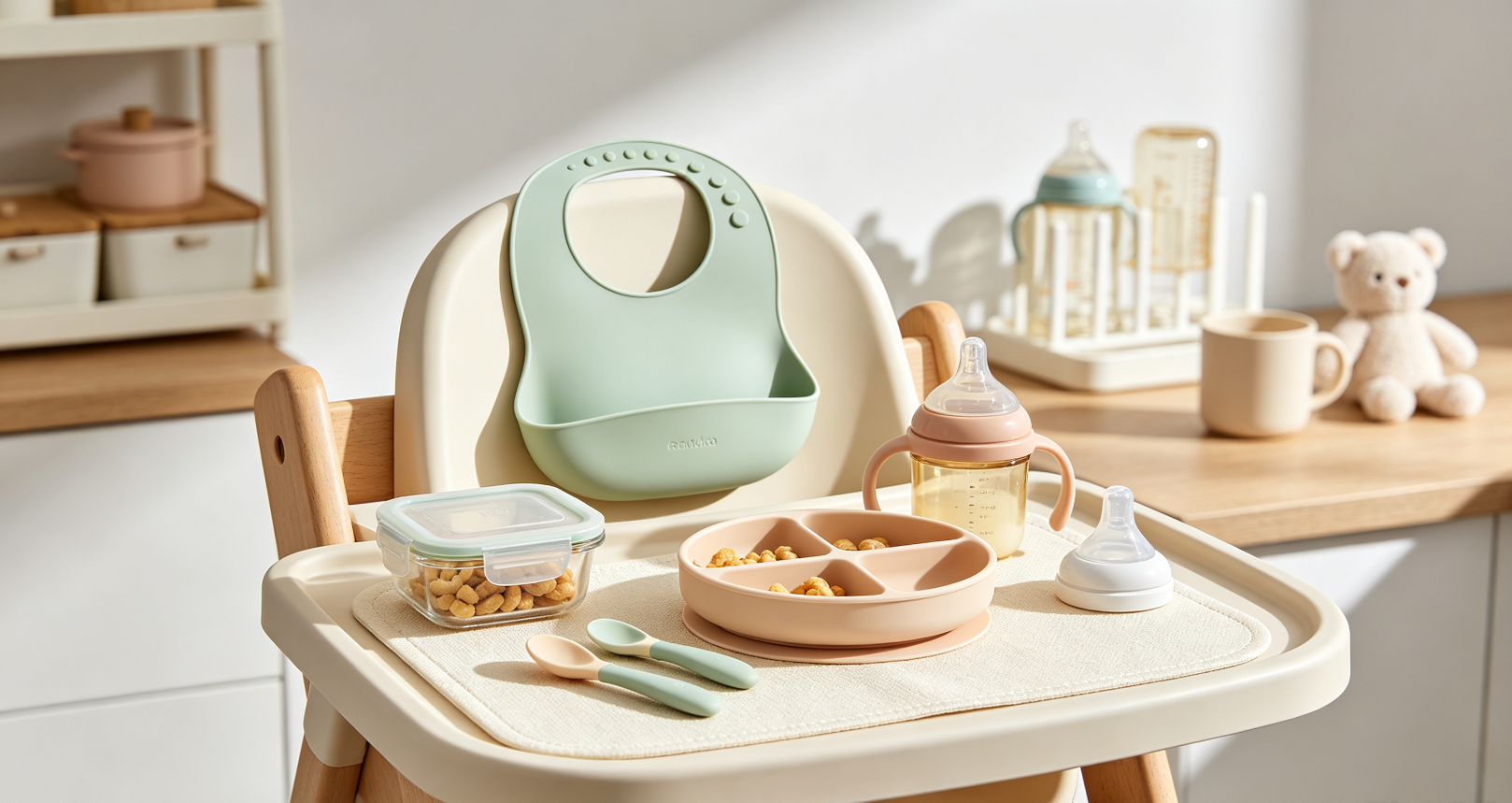
Silicone Bibs | Baby Spoons | Baby Bowls | Snack Containers | Bottle Accessories
These products can work well for brands focused on everyday parenting needs, but materials, product quality, and applicable safety requirements should be carefully evaluated.
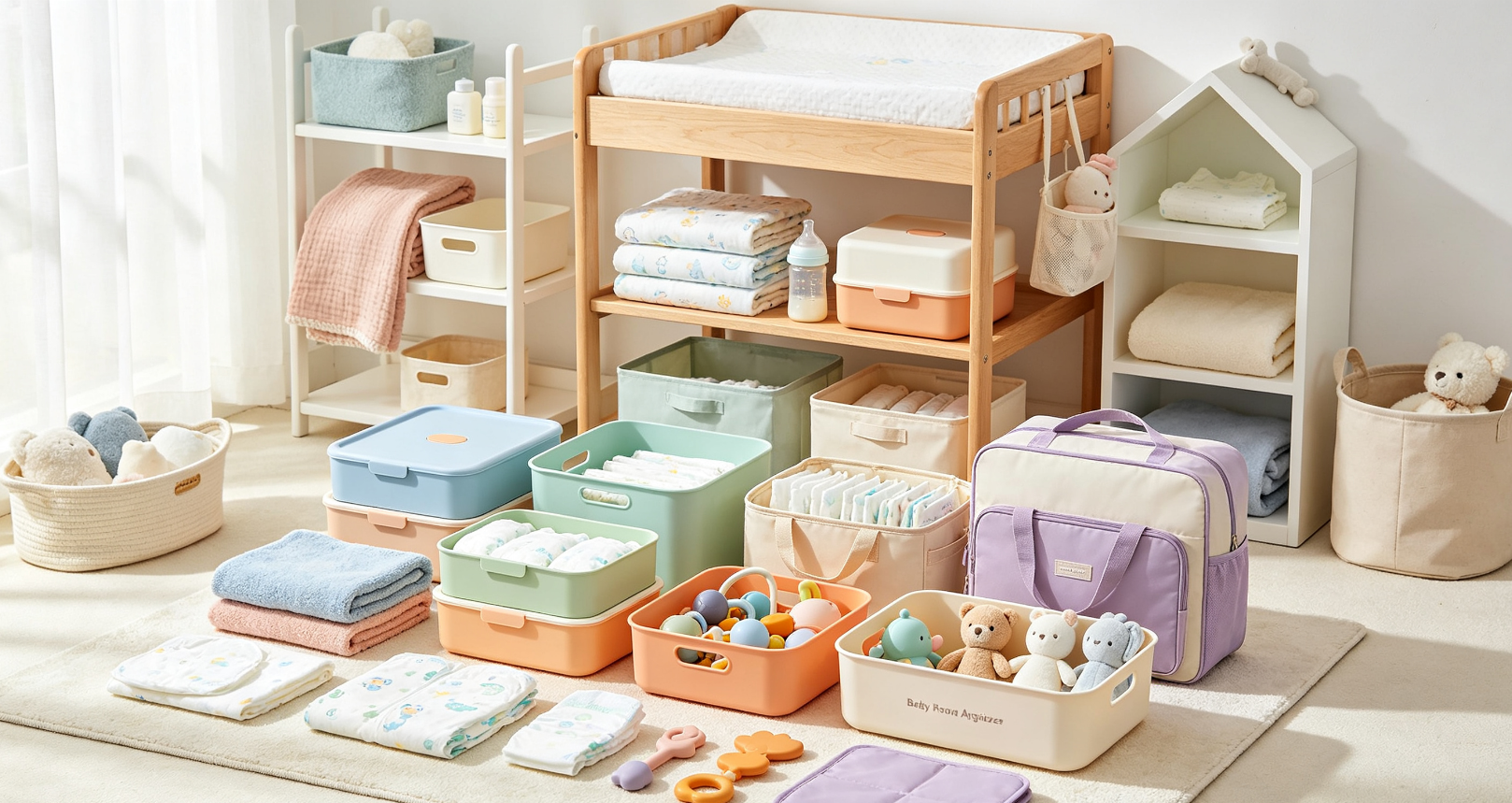
Diaper Organizers | Nursery Storage Bags | Crib Organization Accessories | Toy Storage | Baby Room Organizers
Organization products can offer opportunities for practical differentiation through materials, design, colors, and branding.
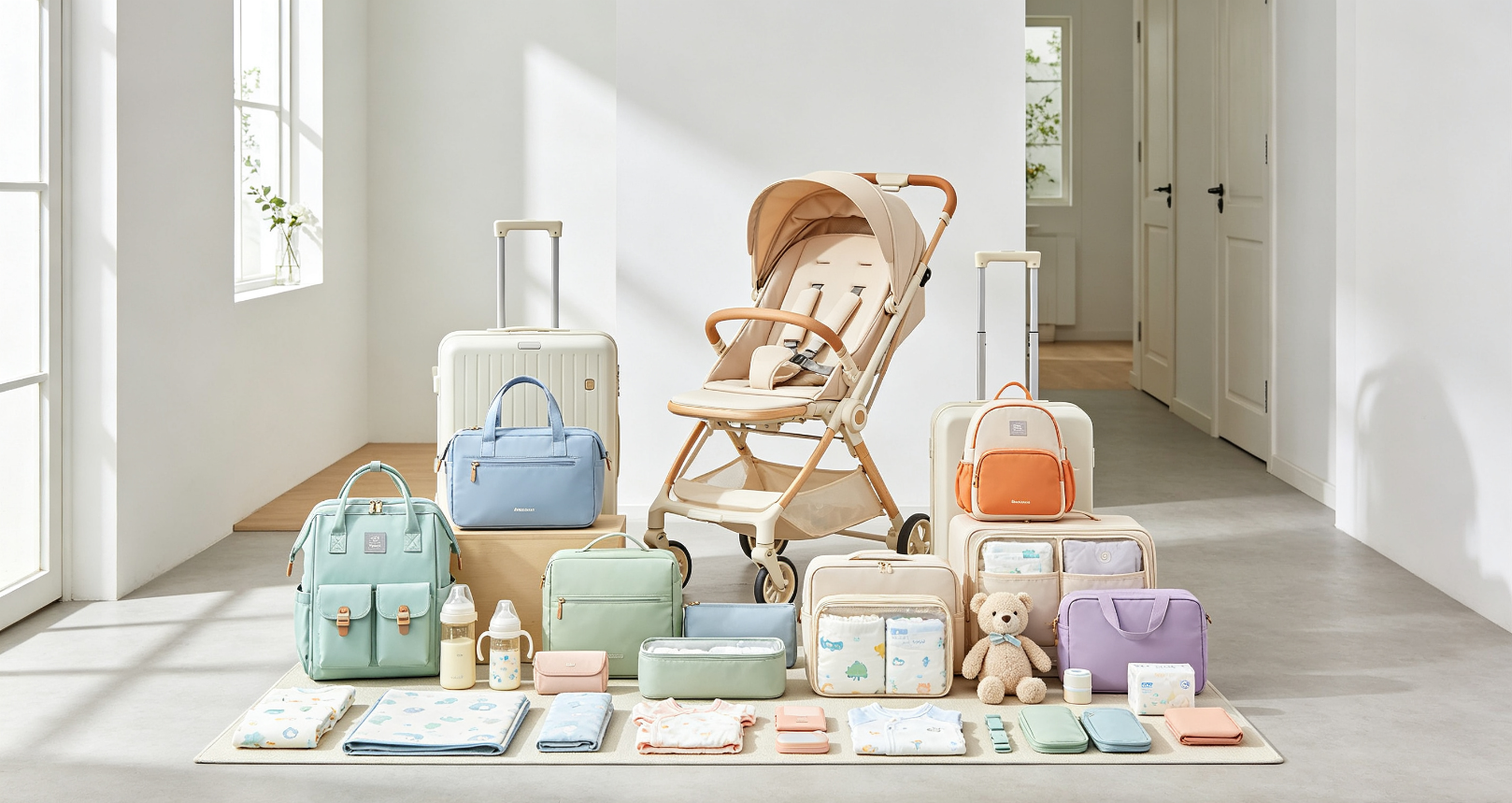
Diaper Bags | Stroller Organizers | Portable Changing Mats | Baby Travel Storage Bags | Travel Accessories
Travel-focused products can be attractive for ecommerce because they solve specific problems for parents on the move.
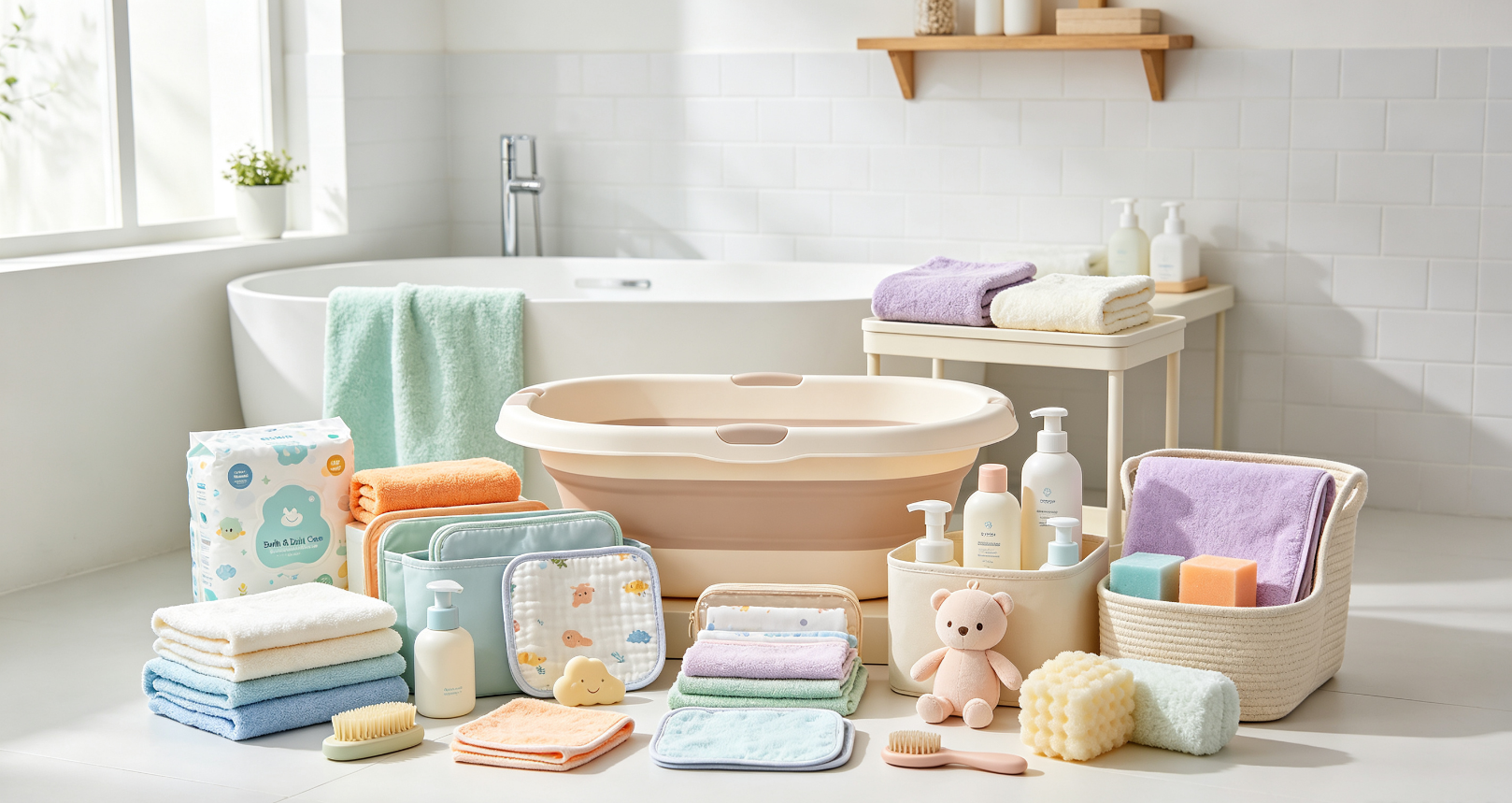
Baby Bath Accessories | Washcloths | Bath Storage Organizers | Baby Care Organizers
For these products, material quality, durability, hygiene, and packaging should be considered carefully.
Not every baby product is equally suitable for dropshipping or ecommerce.
Products intended for feeding, sleeping, carrying, or direct contact with babies may have more specific safety and compliance considerations depending on the destination market.
Before selling a product, check the requirements that apply to your specific product and target country.
The lowest product price does not always mean the lowest total cost.
Poor quality can lead to refunds, returns, negative reviews, and additional customer service costs.
Supplier photos do not always show the actual product quality.
Testing samples before scaling can reduce surprises later.
A single supplier may become a major risk when demand suddenly increases.
Having qualified alternatives can make your supply chain more resilient.
Replenishment takes time.
Growing brands should monitor sales velocity and prepare inventory before stock reaches a critical level.
Finding a product is only the beginning.
A scalable baby product business also needs quality control, packaging, inventory management, fulfillment, and reliable shipping.
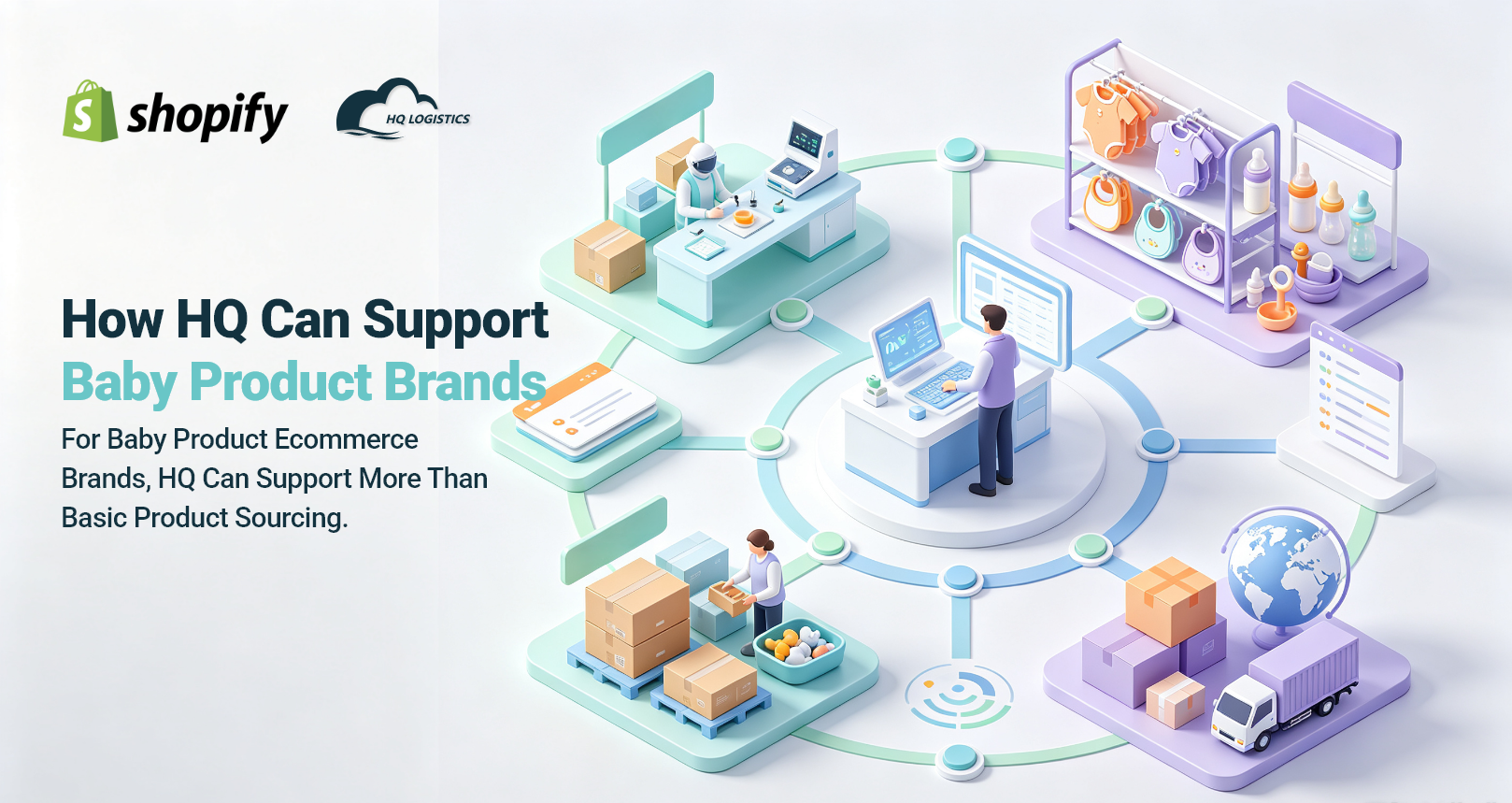
For baby product ecommerce brands, HQ can support more than basic product sourcing.
HQ can help brands source products, compare supplier options, and build a more flexible supplier network.
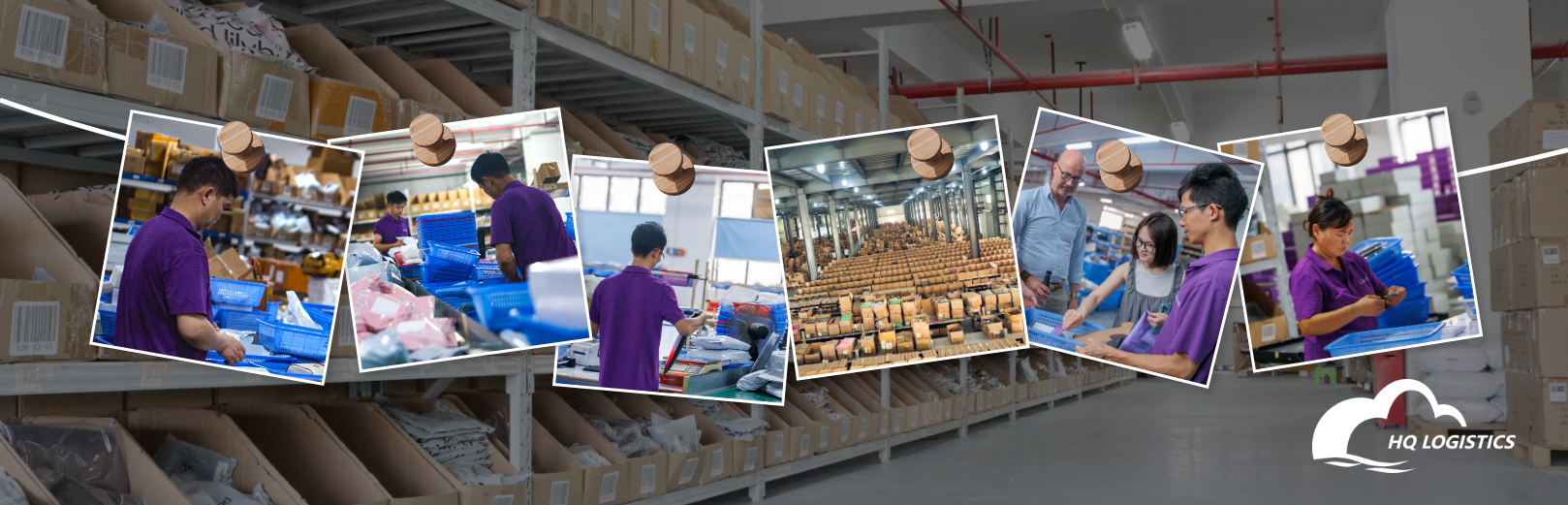
Quality inspection can help brands identify product issues before orders are fulfilled, while custom packaging can support brands that want to create a stronger customer experience.
For fulfillment, brands can use China-based fulfillment as well as overseas warehouse solutions depending on their sales markets and inventory strategy.
HQ can also provide multiple logistics channels, allowing brands to choose shipping solutions based on destination, product requirements, delivery time, and cost.
The goal is to connect:
Sourcing | Supplier Management | Quality Control | Packaging | Warehousing | Fulfillment | Logistics
into a supply chain that can grow with the brand.
Before scaling a baby product, ask:
Is the product quality consistent? | Have I tested samples? | Is the supplier reliable? | Do I have a backup supplier? | Can the supplier handle higher demand? | Can they support custom packaging? | Do I have a clear inventory plan? | Are there suitable shipping channels? | Can I use overseas warehousing when needed? | Have I checked the requirements for my target market?
If you can answer these questions confidently, your supply chain will be in a much stronger position to support growth.
Building a reliable supply chain for a baby product brand is about much more than finding a supplier with a low price.
You need reliable sourcing, qualified suppliers, consistent quality, thoughtful packaging, smart inventory planning, efficient fulfillment, and dependable shipping.
Most importantly, your supply chain should be able to change as your brand grows.
Start with the right products, build supplier options, inspect quality, improve packaging, and connect sourcing with fulfillment.
A reliable supply chain is not just about getting products from a supplier to a customer. It is about building a system that allows your baby product brand to grow with confidence.
Popular categories can include baby feeding accessories, nursery organizers, diaper bags, baby travel accessories, bath accessories, and other practical parenting products. Product suitability depends on quality, demand, shipping, differentiation, and applicable requirements.
Compare multiple suppliers based on product samples, quality, production capacity, communication, pricing, lead times, packaging capabilities, and fulfillment support rather than choosing solely based on the lowest price.
Having multiple qualified suppliers can reduce supply chain risk and give your brand more flexibility when demand increases or your primary supplier experiences production or inventory problems.
Parents place a high level of trust in baby products. Quality inspection can help identify defects, inconsistencies, packaging problems, or other issues before products reach customers.
Yes. When a brand has stable demand in a specific market, overseas warehousing can be part of a hybrid fulfillment strategy. U.S. and EU warehousing can help position inventory closer to customers in those markets.
📩 Email: zoye@fulfillment-cn.com
Previous Recommendations


baby product sourcing, baby product supplier, baby products for ecommerce, baby product supply chain, baby product fulfillment, baby product sourcing guide, reliable baby product supplier, Shopify baby products, baby product quality control, baby product packaging, Learn 5 ways to build a more reliable supply chain for baby product brands, from sourcing and supplier management to quality control, packaging, inventory, and fulfillment.



Don't wait until next year, grab the chance on 2025. Here are some recommended ecommerce topic you can choose.
Thanks to the support and trust from our customers. Flashback with our beloved partners.