 Fulfillment< @ >HQ Group

One supplier or multiple suppliers—which approach makes more sense for a growing Shopify brand?
When your Shopify store is small, working with one supplier can feel simple and efficient. You have one contact, one product source, and one process for placing orders.
But as your business grows, the supply chain becomes more complicated.
You may have more products, higher order volumes, customers in different countries, and greater expectations for delivery speed and product quality.
At that point, relying on one supplier may create new risks, while working with multiple suppliers can add management complexity.
So, which model should a growing Shopify brand choose?
The answer depends on your products, order volume, target markets, and supply chain strategy.
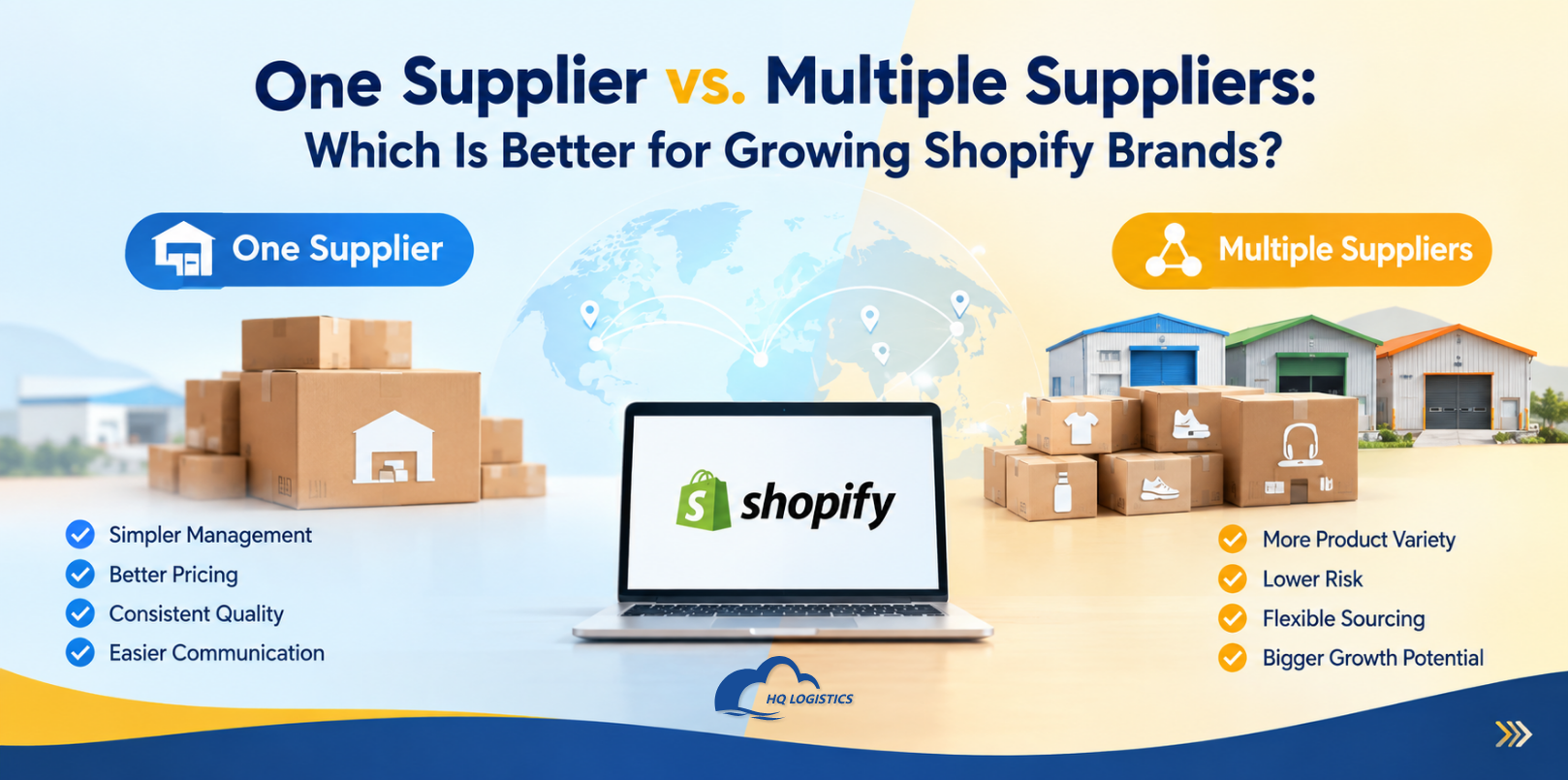
Working with one supplier is often the easiest option when you're starting out.
You have fewer relationships to manage and can build a consistent workflow around one supplier.
With one supplier, you only need to manage one main relationship.
Product communication, quotations, quality requirements, packaging instructions, and order updates can all go through the same supplier.
This can save time for small Shopify businesses with a limited product range.
When the same supplier produces your products regularly, it can be easier to maintain consistent specifications.
You can establish quality requirements and communicate them directly to the supplier.
This is particularly important for products where materials, colors, sizes, or packaging need to remain consistent.
A single supplier can simplify the ordering process.
Instead of coordinating multiple factories or suppliers, your purchasing process can be more centralized.
For brands with a small number of SKUs, this can make inventory management easier.
If your order volume becomes significant, concentrating purchases with one supplier may give you more room to negotiate.
Larger and more predictable orders can sometimes help you obtain better product pricing or customized terms.
However, this depends on the supplier, product, order volume, and negotiation.
The simplicity of a single-supplier model also comes with risks.
As your Shopify brand grows, those risks can become more noticeable.
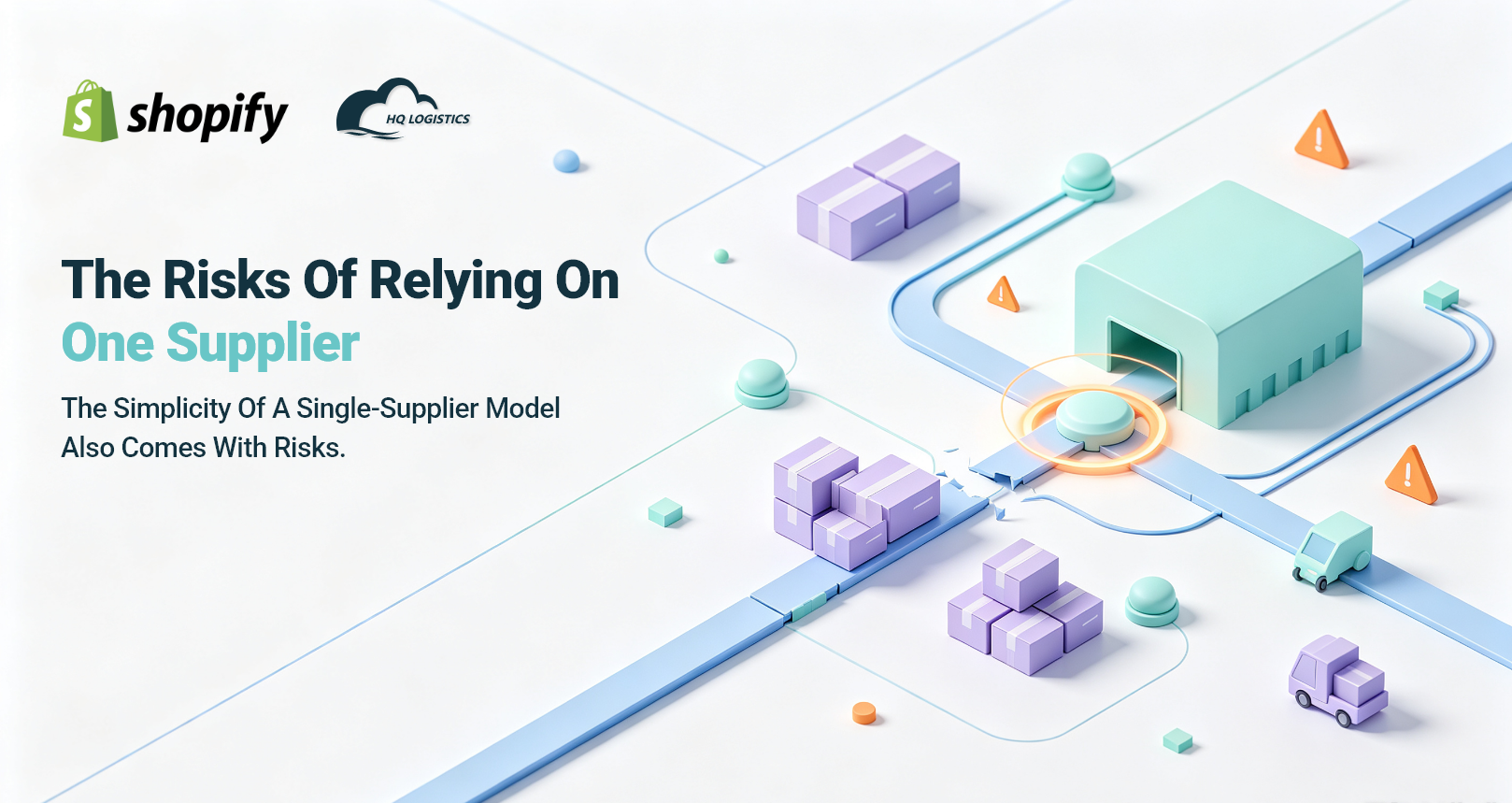
If your only supplier has production problems, your entire product line may be affected.
A factory delay, material shortage, production capacity issue, or temporary closure can quickly turn into inventory problems for your store.
When there is no alternative supplier, it can take longer to recover.
One supplier may be excellent at producing certain products but less competitive for others.
As your product catalog expands, you may find that another supplier can offer better materials, better pricing, stronger customization capabilities, or more suitable production capacity.
If all your purchasing volume goes through one supplier, you may have fewer alternatives when negotiating costs, lead times, or production terms.
Having other qualified suppliers can give your business more flexibility when market conditions change.
A supplier that handles 50 orders per day may not necessarily be prepared for 500 or 5,000 orders per day.
This is one of the biggest challenges growing Shopify brands need to consider.
Your supplier should not only meet today's demand. It should also have a realistic plan for your future growth.
Working with multiple suppliers means sourcing different products—or sometimes the same product—from more than one supplier.
This approach requires more management, but it can create additional flexibility.
The biggest advantage is diversification.
If one supplier experiences a production delay, another qualified supplier may be able to continue supplying the product.
This does not eliminate supply chain risk, but it can reduce dependence on a single source.
Multiple suppliers allow you to compare:
| Product Quality | Unit Cost | Production Capacity | MOQ | Lead Time | Customization |
This information can help you identify which supplier is best suited for different products.
The cheapest supplier is not always the best choice.
A slightly higher product cost may make sense if the supplier provides better quality, faster production, stronger communication, or more reliable capacity.
Growing Shopify brands often add new products over time.
Instead of forcing every new SKU through the same supplier, you can look for suppliers with specific expertise.
For example, one supplier may specialize in beauty products, while another has stronger capabilities for pet products or small electronics.
This allows your supply chain to become more specialized as your brand grows.
Having a qualified backup supplier can be particularly useful for your best-selling products.
You don't necessarily need to split every order between multiple suppliers.
Instead, you can maintain a second supplier that has already been evaluated and can be activated when necessary.
This creates a backup plan without making daily operations unnecessarily complicated.
Multiple suppliers are not automatically better.
They also create additional work.
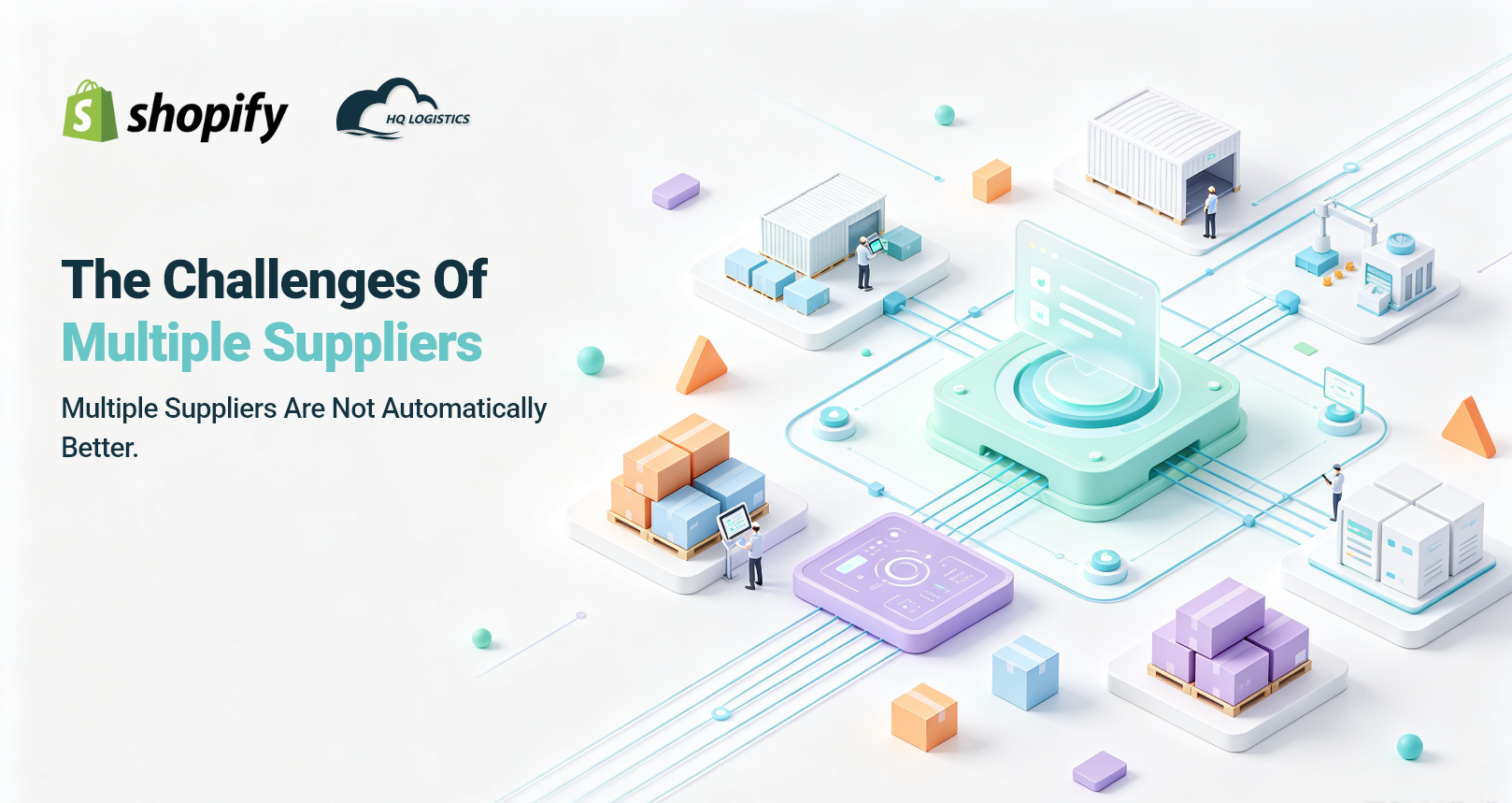
Every supplier has different processes, response times, production schedules, and quality standards.
Managing several suppliers can take considerably more time.
Different suppliers may interpret product specifications differently.
Without clear quality standards and inspection procedures, product consistency can become difficult to maintain.
When products come from different suppliers, inventory planning becomes more complicated.
You need to understand how much stock is available, when new inventory will arrive, and which supplier should be used for each SKU.
If products are stored in different locations, combining multiple products into one customer order can become more complicated.
This is where a strong fulfillment operation becomes increasingly important.
There isn't a universal answer.
Instead of asking "Which model is better?", growing Shopify brands should ask:
"Which supply chain structure gives my brand enough flexibility without creating unnecessary complexity?"
Several factors can help you make that decision.
If you sell only a few products, one reliable supplier may be enough.
If you have dozens or hundreds of SKUs across different categories, multiple suppliers may provide better sourcing options.
At low order volumes, simplicity is often more important.
As daily orders increase, supplier capacity becomes more important.
A supplier that works well at 20 orders per day may not be the right long-term solution for 1,000 orders per day.
Some products are relatively simple to source.
Others require specific materials, certifications, packaging, customization, or quality-control procedures.
Complex products may require specialized suppliers.
Your target market can also affect your supply chain requirements.
A Shopify brand selling mainly in the U.S. may have different inventory and shipping requirements from a brand serving customers across the U.S., Europe, the UK, and Australia.
Your sourcing and fulfillment strategy should match where your customers are located.
Customers increasingly expect fast and reliable delivery.
If your supply chain depends on long production times or slow transportation, adding suppliers alone may not solve the problem.
You also need to consider warehousing, inventory positioning, shipping channels, and fulfillment speed.
For many growing Shopify brands, the choice doesn't have to be completely one supplier or completely multiple suppliers.
A hybrid model can combine the advantages of both approaches.
For example:
Core Products | One Primary Supplier
Keep your main products with a reliable supplier that understands your specifications and quality requirements.
Best-Selling Products | Backup Supplier
For important products, qualify a second supplier as a backup source.
Specialized Products | Specialized Suppliers
Use different suppliers when a product requires specific manufacturing capabilities.
Fulfillment | Centralized Operation
Bring inventory into a centralized fulfillment system so products from different suppliers can be inspected, stored, packaged, and shipped through one process.
This approach can give Shopify brands greater sourcing flexibility without forcing them to manage every part of the supply chain independently.
If you're considering multiple suppliers, don't simply add more suppliers.
Build a system.
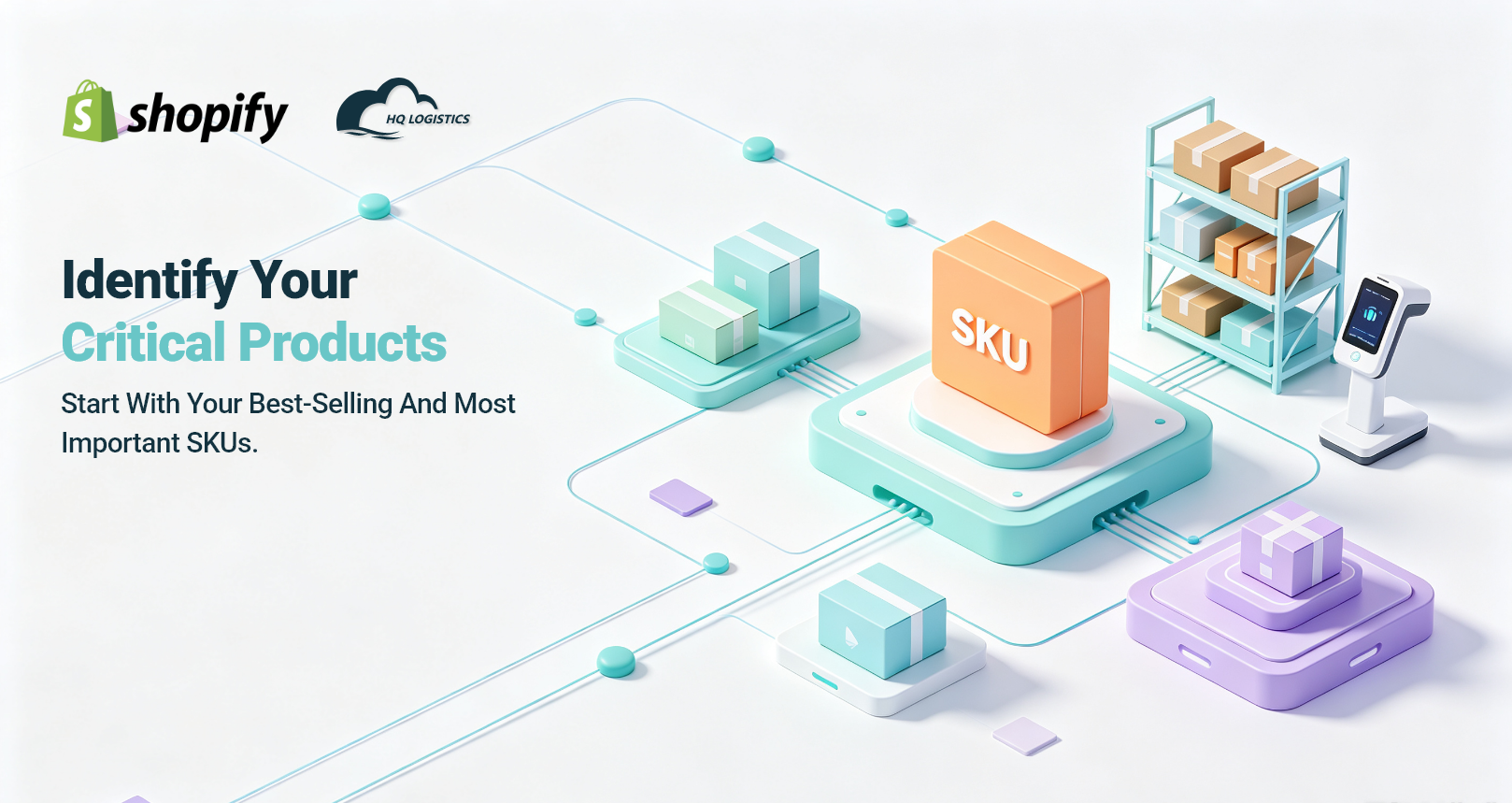
Start with your best-selling and most important SKUs.
These products have the biggest potential impact if supply is interrupted.
Look at more than price.
Consider product quality, production capacity, lead time, MOQ, communication, customization capabilities, and historical reliability.
Create consistent product specifications and inspection requirements.
The goal is to make sure different suppliers are working toward the same product standard.
Don't wait until your main supplier has a problem.
Qualify alternative suppliers while your existing supply chain is still working normally.
A centralized fulfillment operation can make multi-supplier sourcing easier to manage.
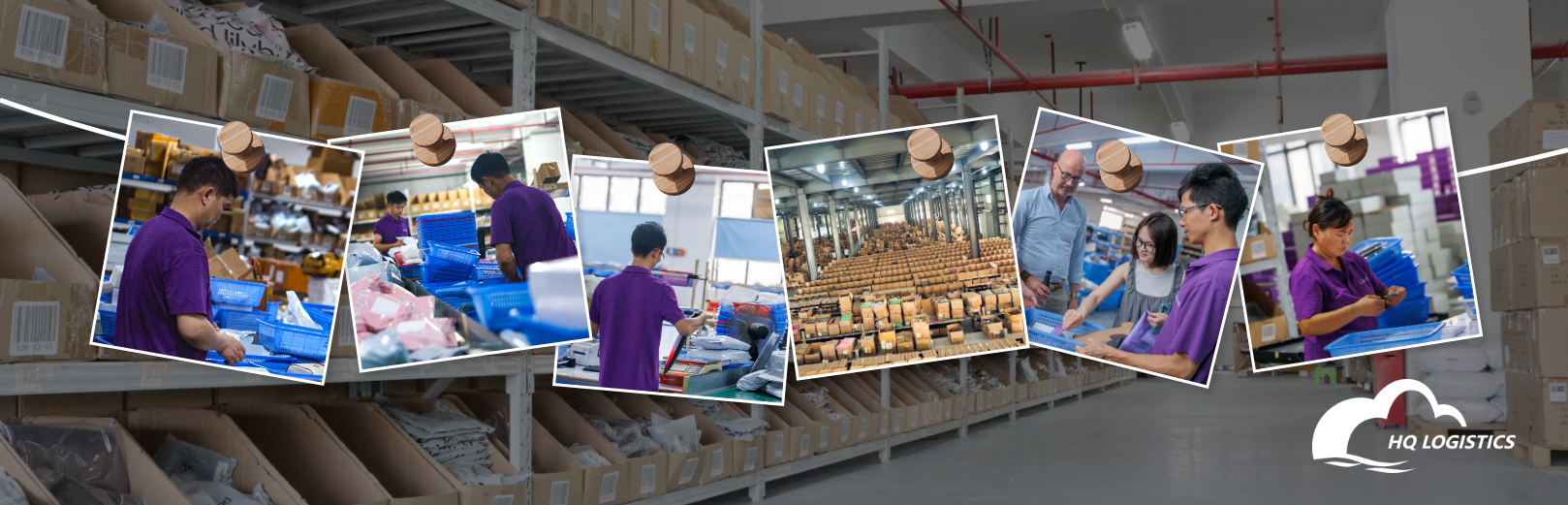
Products from different suppliers can be received, inspected, stored, packaged, and shipped through one fulfillment process.
This can help reduce operational complexity as your business grows.
Once you work with multiple suppliers, your fulfillment partner becomes more important.
A strong fulfillment partner should be able to connect sourcing and fulfillment rather than treating them as completely separate processes.
Look for capabilities such as:
Supplier Sourcing | Product Quality Inspection | Inventory Management | Custom Packaging | Order Processing | Global Shipping | Tracking Management
This allows your Shopify store to have more flexibility upstream while keeping the customer-facing fulfillment process organized.
For growing brands, the goal isn't simply to find the cheapest supplier.
It's to build a supply chain that can continue working when order volume, product range, and market coverage increase.
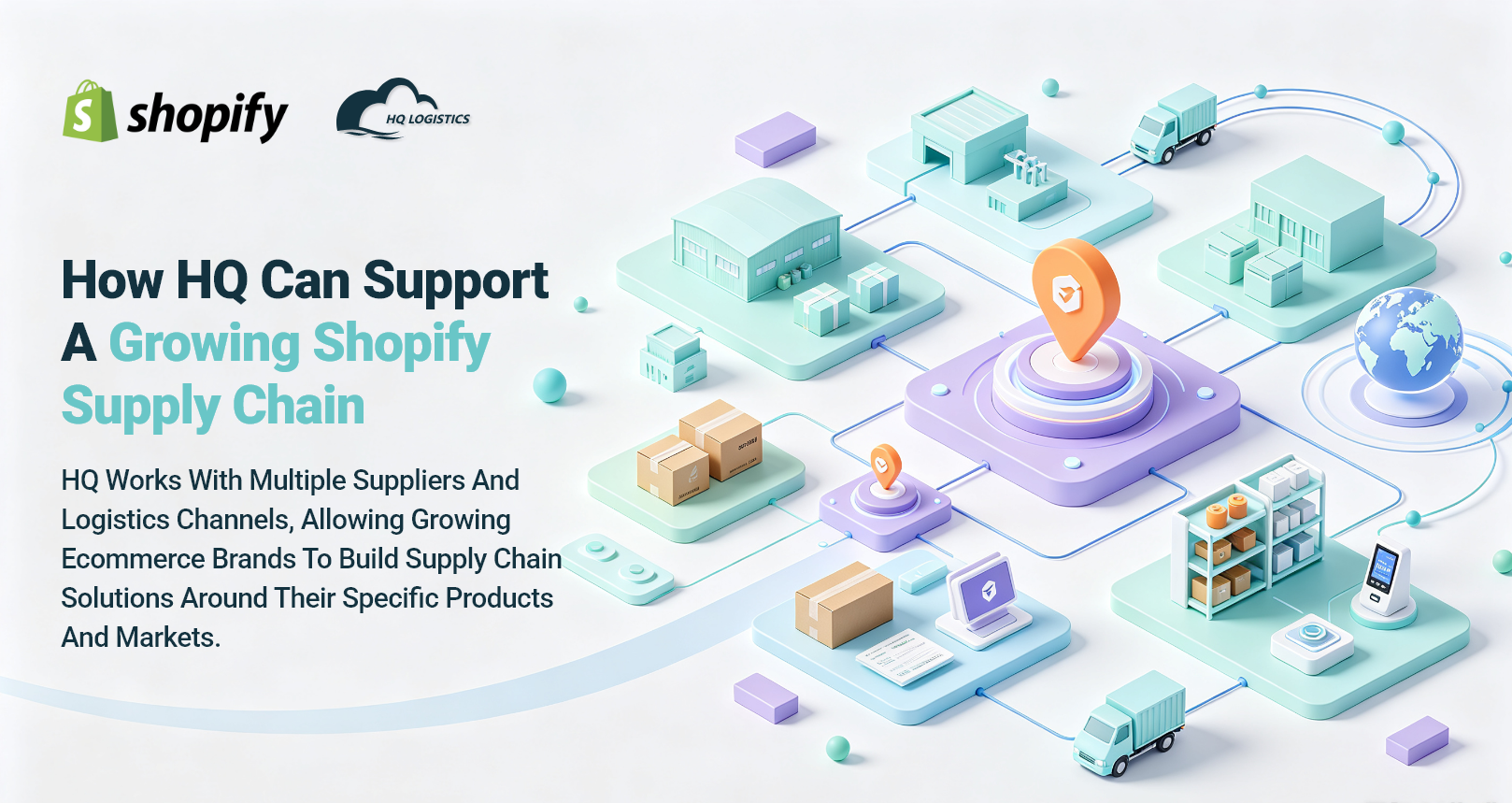
HQ works with multiple suppliers and logistics channels, allowing growing ecommerce brands to build supply chain solutions around their specific products and markets.
Instead of relying on a single sourcing option, brands can evaluate different suppliers based on product quality, pricing, customization, production capacity, and fulfillment requirements.
HQ can then help coordinate key parts of the process, including sourcing, quality inspection, warehousing, custom packaging, order fulfillment, and global shipping.
For growing Shopify brands, this can provide more flexibility while keeping fulfillment operations centralized.
HQ supports global fulfillment with:
⚡ 3–8 Days Delivery | 📦 Free Custom Packaging From 50 Orders/Day | 🚚 20,000 Orders/Day Fulfillment Capacity | 🌍 Shipping to US · Europe · UK · Australia
You can also connect your ecommerce operations across platforms such as Shopify, Wix, WooCommerce, and Etsy.
Not necessarily. One supplier can be easier to manage and may provide consistency, but relying on a single source can create supply risks. The right choice depends on your products, order volume, supplier capacity, and growth plans.
Consider multiple suppliers when your order volume is increasing, your product range is expanding, your main supplier has limited capacity, or you want backup sourcing options for important products.
It can increase management and quality-control costs. However, multiple suppliers can also provide more options for pricing, capacity, product specialization, and supply continuity.
A centralized fulfillment system can help. Suppliers can send products to a warehouse where inventory is inspected, stored, packaged, and fulfilled through a standardized process.
A backup supplier can be useful for products that generate a significant share of your sales. Qualifying an alternative supplier before a disruption occurs can make it easier to respond if your primary source cannot meet demand.
One supplier vs. multiple suppliers is not simply a choice between simplicity and complexity.
For a small Shopify store, one reliable supplier may be enough.
For a growing brand, however, supply chain flexibility becomes increasingly important.
The key is to build a structure that balances cost, quality, capacity, reliability, and fulfillment speed.
You may keep core products with one primary supplier while developing backup suppliers for critical SKUs and specialized suppliers for new product categories.
The goal is not to work with as many suppliers as possible.
The goal is to build a supply chain that can support your brand as it grows.
One supplier can start your business. A well-managed supply chain can help you scale it.
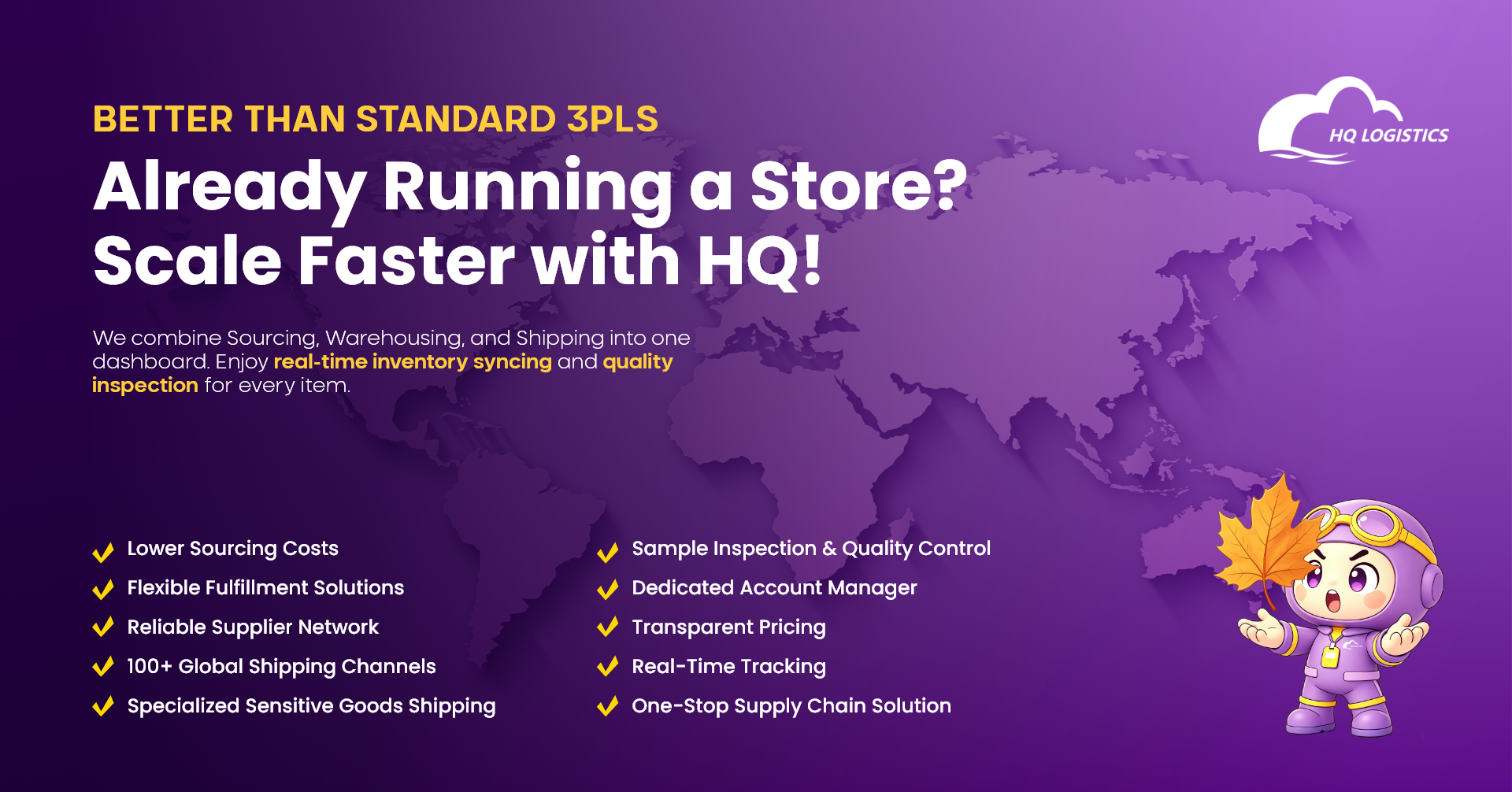
Looking for a fulfillment partner that can support sourcing, warehousing, packaging, and global delivery?
Get a Free Quote → HQ Fulfillment
📩 Email: zoye@fulfillment-cn.com
Previous Recommendations


one supplier vs multiple suppliers for Shopify, multiple suppliers Shopify, Shopify supplier management, ecommerce supply chain, Shopify fulfillment, supplier diversification, ecommerce sourcing, China fulfillment




Don't wait until next year, grab the chance on 2025. Here are some recommended ecommerce topic you can choose.
Thanks to the support and trust from our customers. Flashback with our beloved partners.