 Fulfillment< @ >HQ Group

Small electronics can be attractive products for ecommerce brands.
They are often compact, relatively easy to store, and suitable for online sales. But shipping small electronics can also create unique challenges, especially when products contain batteries, cables, chargers, or other electronic components.
Shipping costs, packaging, product protection, battery restrictions, customs requirements, and delivery speed can all affect your customer experience and profit margins.
For ecommerce brands selling small electronics, optimizing the shipping process is not simply about finding the cheapest carrier.
It is about building a shipping strategy that balances cost, protection, compliance, speed, and reliability.
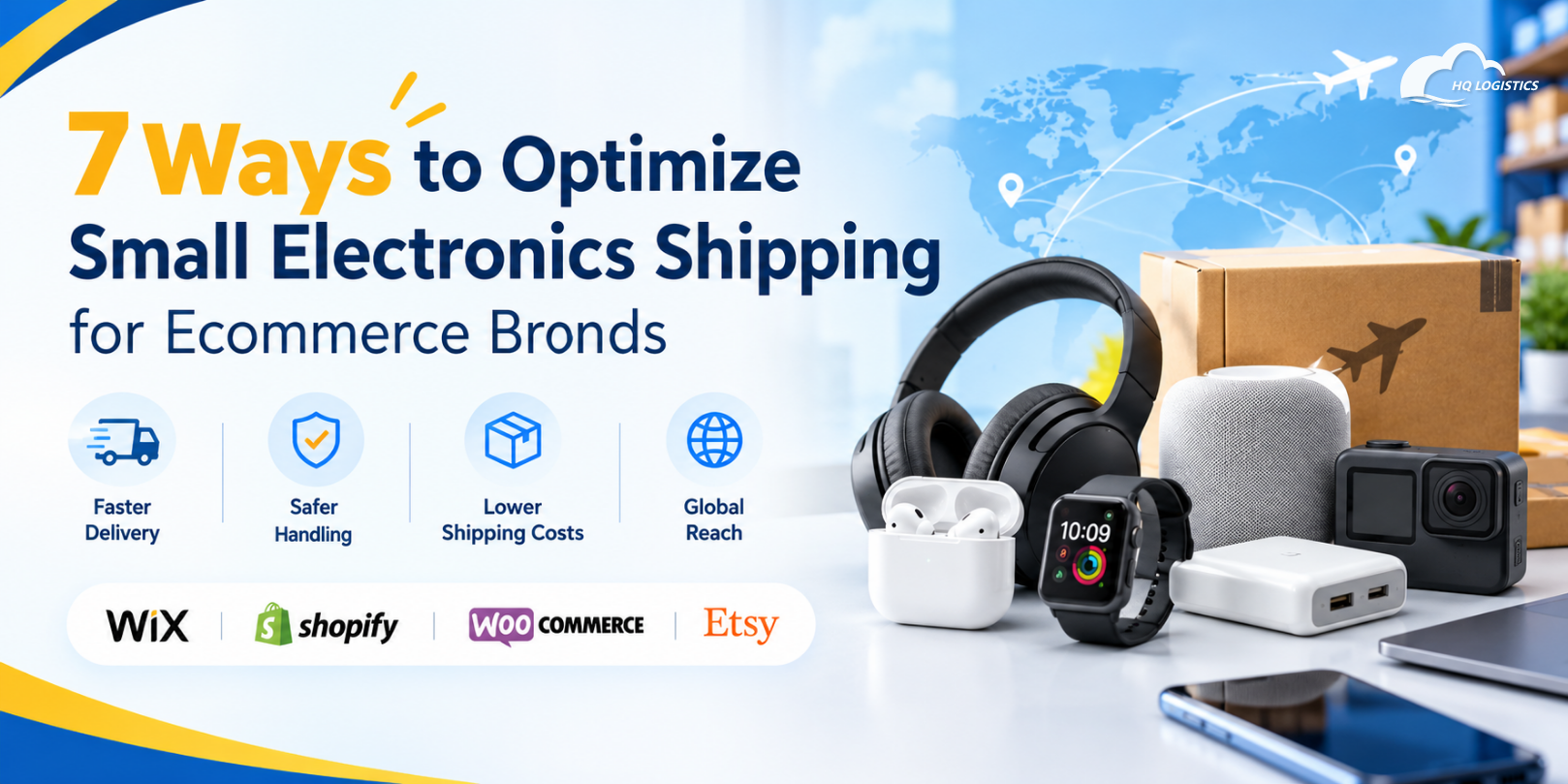
Here are seven ways to optimize small electronics shipping for your ecommerce business.
A small electronic product may be lightweight, but that does not always mean it is simple to ship.
A product such as a wireless accessory, LED device, charging product, small smart gadget, or battery-powered item may have additional shipping considerations.
Depending on the product and destination, you may need to consider:
Product type | Battery type | Battery capacity | Packaging | Shipping route | Customs requirements | Destination country | Carrier restrictions
The exact requirements vary by product, route, and destination, so your shipping strategy should be based on the specific product rather than assuming every electronic item can use the same shipping method.
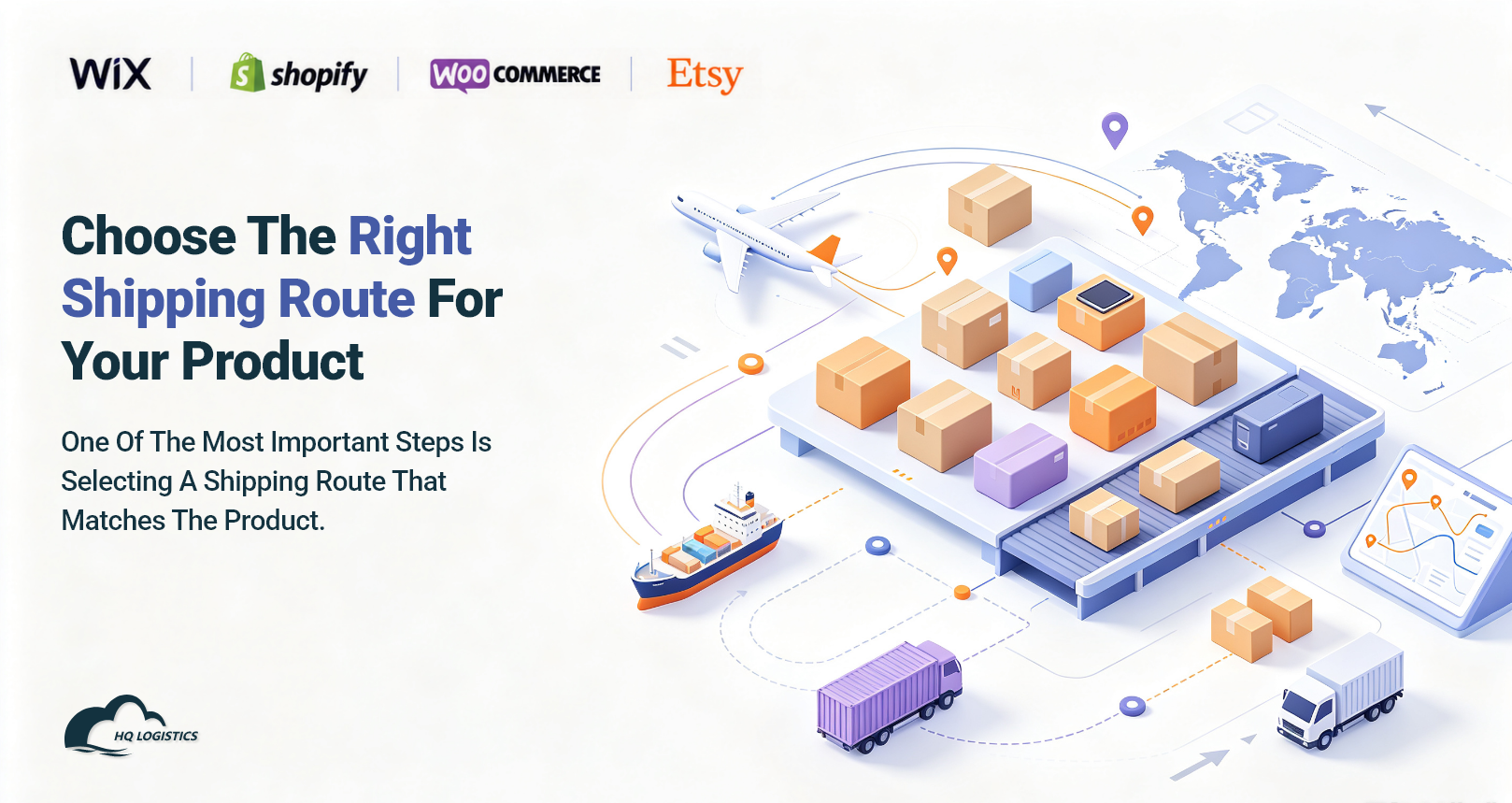
One of the most important steps is selecting a shipping route that matches the product.
General electronics without batteries may have more shipping options than products containing lithium batteries.
If you use the same shipping channel for every product, you may end up paying more than necessary or creating unnecessary shipping restrictions.
Before choosing a route, consider:
Product category | Battery status | Product weight | Parcel dimensions | Destination | Delivery requirements | Shipping cost
A fulfillment partner with multiple logistics channels can help you compare available options based on the product and destination.
For growing ecommerce brands, having alternative shipping routes can also provide more flexibility when carrier capacity or pricing changes.
Battery-powered electronics require additional attention.
Products containing lithium batteries can be subject to specific transportation and handling requirements. Different carriers and shipping routes may also have their own acceptance rules.
Before shipping a battery-powered product, confirm:
Battery type | Battery capacity | Battery installation | Product specifications | Required documentation | Packaging requirements | Destination restrictions
Do not assume that a product is automatically accepted simply because another supplier has shipped a similar item before.
The route, carrier, product specifications, and destination can all affect whether a shipment is accepted.
For this reason, battery product shipping should be confirmed before large-scale fulfillment begins.
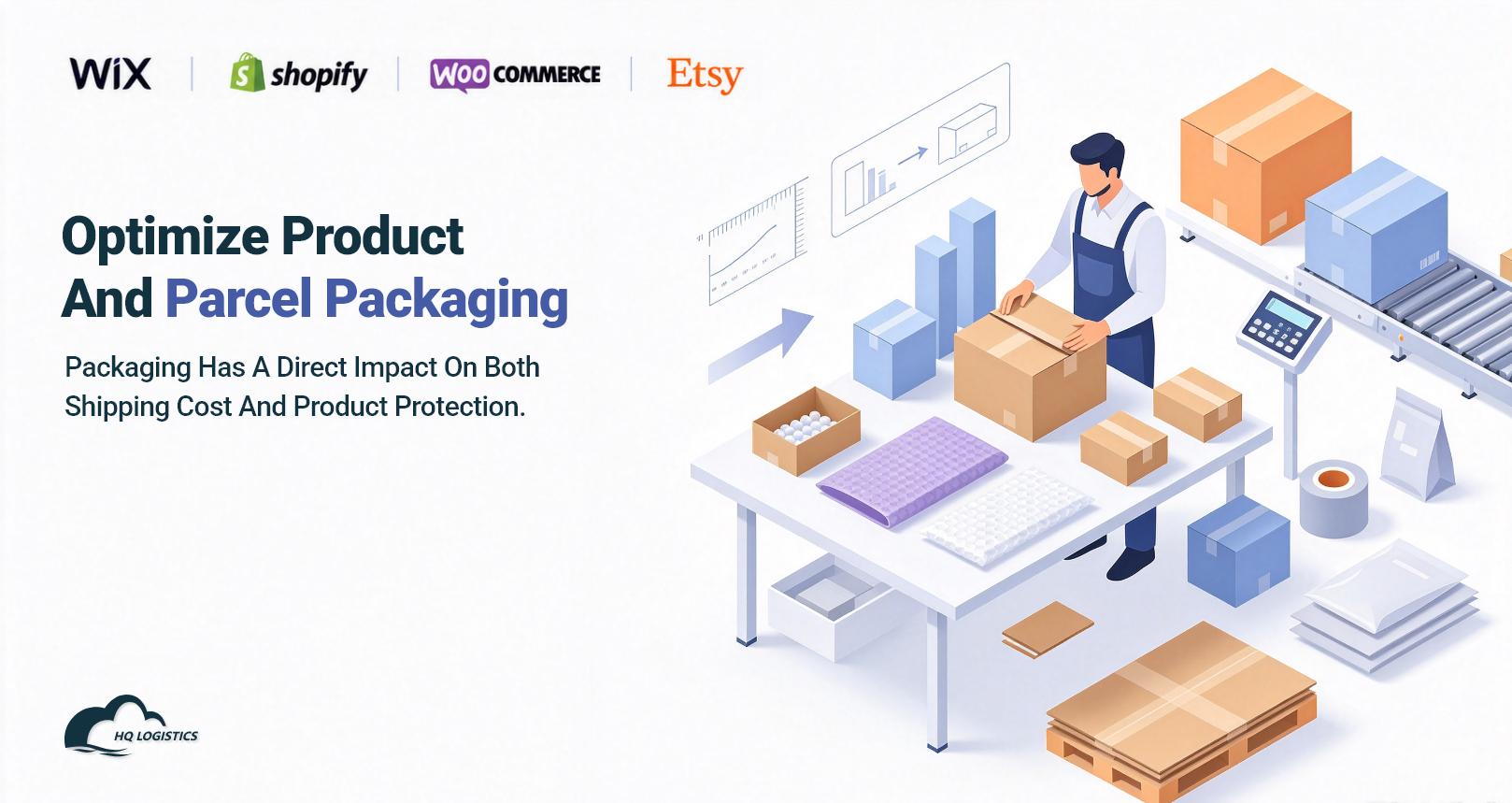
Packaging has a direct impact on both shipping cost and product protection.
Small electronics are often vulnerable to impact, pressure, moisture, or damage during transportation.
At the same time, oversized packaging can increase dimensional weight and shipping costs.
The goal is to find the right balance.
Consider:
Product size | Protective materials | Box dimensions | Internal protection | Outer packaging | Package weight
For some products, custom inserts can help keep the product securely positioned inside the package.
For branded ecommerce businesses, custom packaging can also improve the unboxing experience.
The right packaging strategy should protect the product without adding unnecessary weight or volume.
For many ecommerce brands, shipping cost is one of the biggest factors affecting product profitability.
Even a small difference in parcel weight can matter when you are shipping hundreds or thousands of orders.
Start by understanding how your shipping provider calculates charges.
Depending on the carrier and route, shipping may be based on actual weight, dimensional weight, or another pricing method.
To optimize your costs, review:
Product weight | Packaging weight | Parcel dimensions | Chargeable weight | Shipping zone | Shipping method
A small reduction in packaging material or parcel size may create meaningful savings at higher order volumes.
However, cost reduction should never come at the expense of adequate product protection.
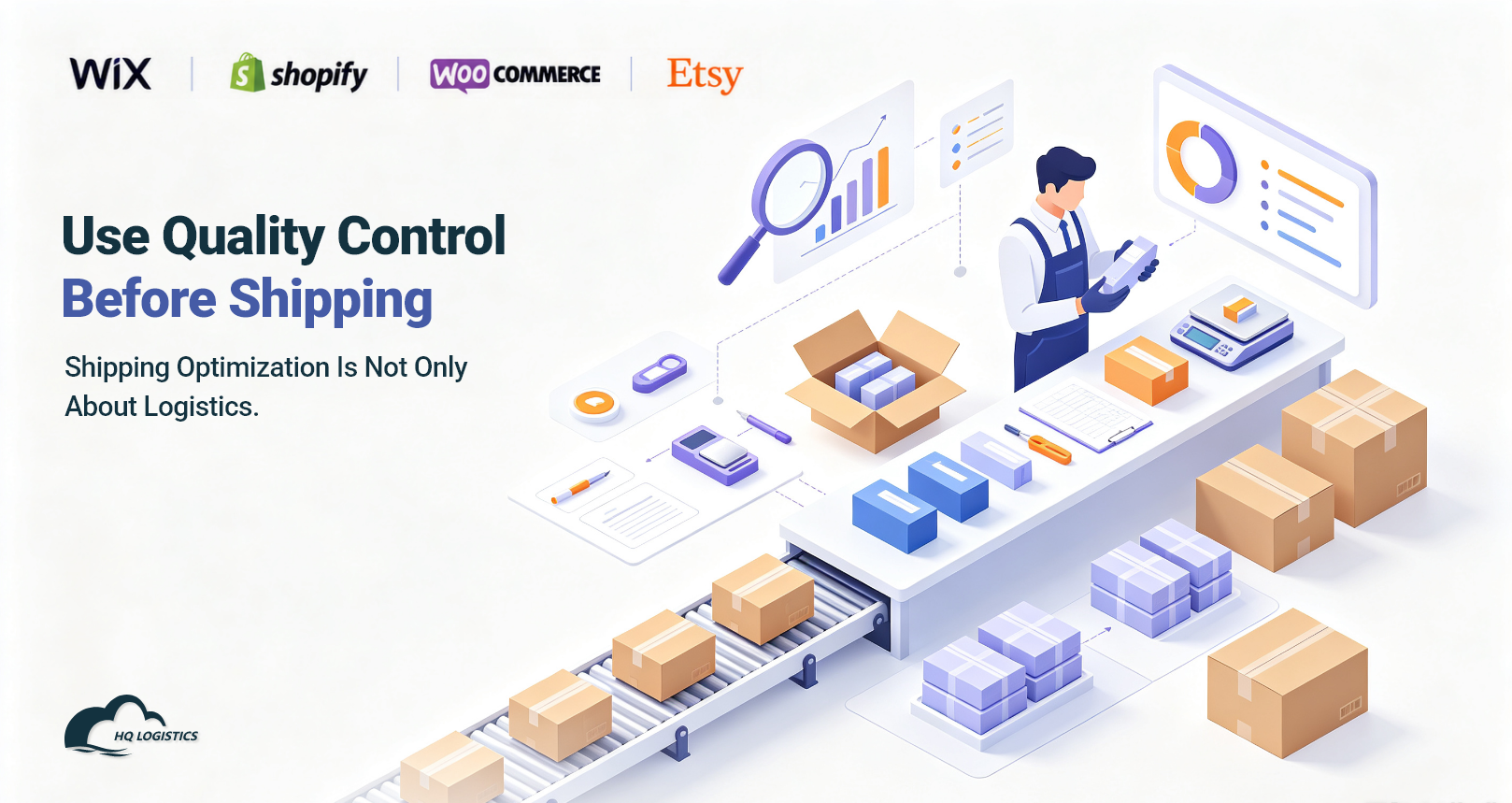
Shipping optimization is not only about logistics.
Product quality can also affect your shipping costs.
If a customer receives a defective electronic product, your brand may need to cover a replacement shipment, refund, or customer service costs.
For small electronics, quality control can include:
Product appearance | Product functionality | Accessories | Charging performance | Buttons and connections | Battery condition | Packaging | Quantity
Checking products before they leave the warehouse can help identify issues earlier in the fulfillment process.
For brands shipping large volumes, quality inspection can become an important part of the overall fulfillment strategy.
Shipping every order directly from China may work when your order volume is low.
As your business grows, however, you may want to consider overseas warehousing for selected products and markets.
Storing inventory closer to customers can potentially reduce delivery distance and improve fulfillment speed.
For example, brands with stable demand in the United States may consider a U.S. overseas warehouse for domestic U.S. fulfillment.
European brands may also consider EU warehousing when they have sufficient demand across European markets.
The right warehouse strategy depends on:
Order volume | Customer location | Product size | Inventory turnover | Shipping cost | Delivery expectations
You do not necessarily need to move all your inventory overseas.
A hybrid strategy can allow you to keep some inventory in China while positioning fast-moving products closer to major customer markets.
As your electronics business grows, your shipping requirements may become more complicated.
You may need different routes for general electronics, battery-powered products, different destinations, or different order volumes.
A fulfillment partner can help connect:
Product Sourcing → Quality Inspection → Warehousing → Packaging → Order Processing → Shipping → Tracking
This can make it easier to manage multiple products and destinations from one fulfillment operation.
HQ supports ecommerce brands with sourcing, quality inspection, warehousing, custom packaging, order fulfillment, and global shipping.
Selected routes offer approximately 3–8 day delivery, while available shipping methods depend on product type, destination, weight, and current logistics conditions.
For growing electronics brands, the choice between China fulfillment and overseas warehousing depends on the business stage.
China fulfillment can be useful when you are testing new products, working with multiple suppliers, or managing a large product catalog.
It allows inventory to remain closer to suppliers and can make product sourcing and replenishment easier.
Overseas warehousing can become useful when you have stable demand in a particular market and want to position inventory closer to customers.
For example, U.S. inventory can support domestic U.S. fulfillment, while EU inventory can support selected European markets.
Some brands may benefit from using both.
Fast-moving products can be positioned in overseas warehouses, while new or slower-moving products remain in China until demand becomes more predictable.
This can help balance inventory risk, shipping speed, and fulfillment costs.
There is no single shipping method that works for every electronic product.
Instead, build your shipping strategy around your product and customer base.
Consider:
Product type | Battery status | Average order weight | Destination markets | Daily order volume | Target delivery time | Packaging requirements | Shipping budget
For example, a lightweight non-battery accessory may have a very different shipping strategy from a rechargeable electronic device.
The right solution should be based on the actual product specifications and shipping requirements.
The lowest quoted rate may not always provide the best overall value.
Consider delivery time, tracking, product acceptance, reliability, and customer experience alongside price.
Battery-powered products can have specific transportation requirements.
Always confirm the product and route before shipping.
Extra packaging can increase parcel dimensions and chargeable weight.
Use packaging that provides sufficient protection without unnecessary volume.
A defective product can create replacement shipments, refunds, and negative customer experiences.
Quality control before fulfillment can help reduce these risks.
Customer expectations and logistics conditions differ between countries.
Your U.S., European, UK, and Australian customers may require different shipping solutions.
For ecommerce brands selling small electronics, HQ can connect sourcing, quality control, fulfillment, and global shipping in one workflow.
Our services can include:
Product Sourcing | Supplier Matching | Quality Inspection | Battery Product Support | Warehousing | Custom Packaging | Order Fulfillment | Global Shipping
HQ also supports growing ecommerce brands with:
⚡ 3–8 Days Delivery on selected routes
📦 Free Custom Packaging From 50 Orders/Day for eligible customers
🚚 20,000 Orders/Day Fulfillment Capacity
🌍 Shipping to US · Europe · UK · Australia
🛍️ Shopify · Wix · WooCommerce · Etsy
For small electronics brands, the goal is not simply to ship faster.
It is to build a fulfillment system that keeps products protected, shipping costs under control, and your customers supported as order volume grows.
Yes, many small electronic products can be shipped from China to the U.S., but the available route depends on the product, battery status, weight, destination, and applicable shipping requirements.
Some battery-powered products can be shipped internationally through eligible routes, but acceptance depends on the battery type, product specifications, carrier requirements, and destination.
Start by optimizing product packaging, parcel dimensions, chargeable weight, shipping routes, and fulfillment locations. Comparing multiple eligible shipping options can also help identify a more suitable solution.
It depends on your order volume, inventory turnover, customer locations, and delivery requirements. China fulfillment can be useful for sourcing and product flexibility, while overseas warehousing may make sense for products with stable demand in specific markets.
Check the product specifications, battery status, packaging, shipping restrictions, destination requirements, chargeable weight, and available logistics routes before starting large-scale fulfillment.
Small electronics can be profitable ecommerce products, but shipping needs to be planned carefully.
The right strategy combines product selection, battery compliance, packaging, quality control, shipping routes, inventory planning, and fulfillment.
Instead of focusing only on the lowest shipping rate, look at the entire fulfillment process.
Optimize the product. Optimize the packaging. Choose the right route. Build a fulfillment system that can scale.
For growing ecommerce brands, better small electronics shipping can help control costs, protect products, and create a more reliable customer experience.
📩 Email: zoye@fulfillment-cn.com
Previous Recommendations


Small electronics shipping | Shipping small electronics | Electronics fulfillment | Small electronics fulfillment | Ecommerce electronics shipping | China electronics fulfillment | electronics shipping from China




Don't wait until next year, grab the chance on 2025. Here are some recommended ecommerce topic you can choose.
Thanks to the support and trust from our customers. Flashback with our beloved partners.