 Fulfillment< @ >HQ Group


As the year comes to an end, many ecommerce brands start reviewing their suppliers, production costs, and supply chain performance. Some businesses may discover that their current suppliers can no longer meet their expectations in terms of product quality, pricing, production capacity, or delivery times.
Switching suppliers can be a smart move. A more reliable manufacturing partner may help reduce costs, improve product consistency, and support future business growth.
However, changing suppliers also comes with risks. Differences in raw materials, production processes, product specifications, and quality standards can lead to inconsistent products. Even if a new supplier offers a better price, poor quality control can quickly affect customer satisfaction and brand reputation.
So, how can ecommerce businesses switch suppliers before year-end without sacrificing product quality?
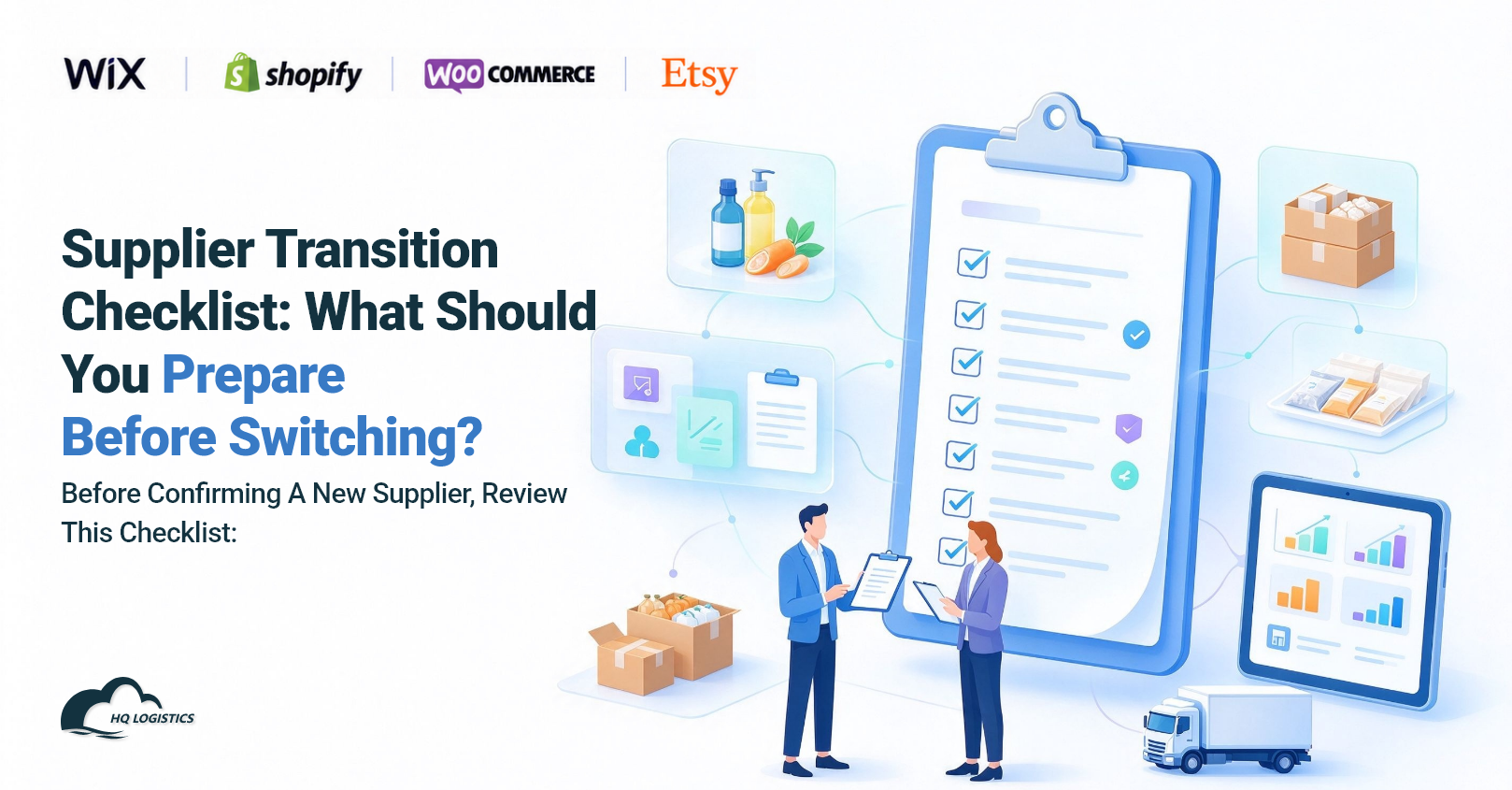
Here are seven practical steps to make the transition smoother.
Before looking for a new supplier, understand why you want to switch.
A lower quotation alone may not justify changing a supplier, especially if the current partner already delivers consistent products and reliable service.
Start by reviewing your existing supplier's performance.
Consider these factors:
Product quality:
Are there recurring defects, material differences, or inconsistent product specifications?
Production capacity:
Can the supplier handle your current and expected order volumes?
Lead time:
Are production and delivery schedules consistently met?
Communication:
Does the supplier respond quickly and resolve problems effectively?
Pricing:
Are product costs competitive and transparent?
Flexibility:
Can the supplier support product improvements, customization, and packaging changes?
Review recent purchase orders, inspection reports, customer complaints, and delivery records.
This evaluation helps you identify the specific problems that need to be solved. It also gives you a clear checklist for comparing potential suppliers.
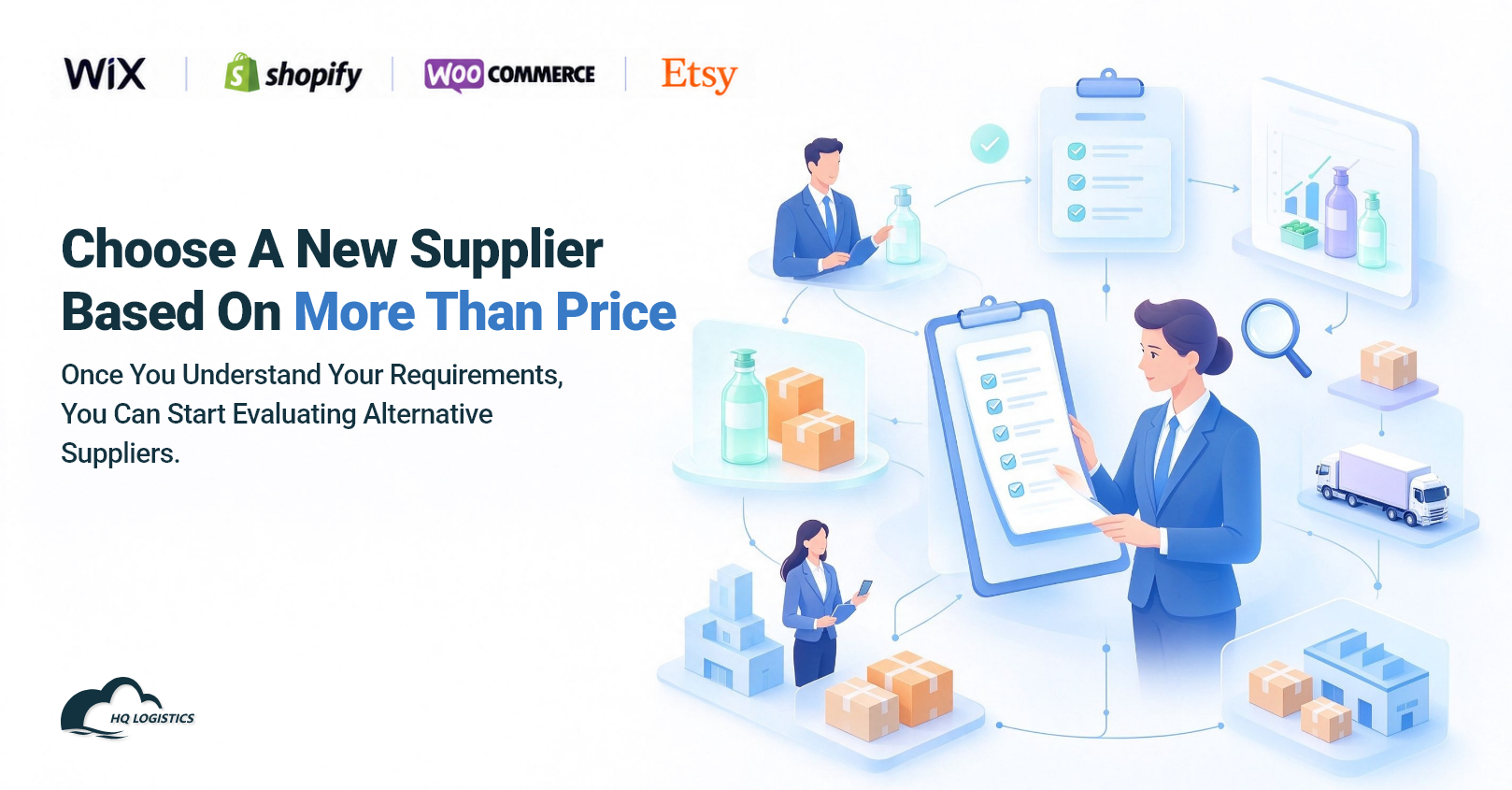
Once you understand your requirements, you can start evaluating alternative suppliers.
The cheapest quotation does not always represent the best value. A lower unit price may come with lower-grade materials, weaker quality control, longer production times, or additional hidden costs.
When comparing suppliers, pay attention to:
Manufacturing capabilities
Check whether the supplier has the equip5
ment, production experience, and workforce needed to manufacture your products.
Material consistency
Confirm the materials, components, colors, and product specifications used in production.
Production capacity
Ask whether the supplier can handle your regular purchase volume and potential seasonal increases.
Quality management
Find out whether the supplier has established inspection procedures and how defective products are handled.
Communication and responsiveness
Reliable communication is essential when managing production schedules, product changes, and unexpected issues.
You should also request relevant business information, product samples, and supporting documents where appropriate.
A supplier should be evaluated based on its ability to meet your requirements consistently, not simply its ability to provide an attractive quotation.
One of the most important steps when switching suppliers is sample approval.
Even when two suppliers manufacture the same product, the results may differ. They may use different materials, production equipment, components, or finishing techniques.
A sample from the new supplier should be compared with your previously approved product.
Check the following details:
Product dimensions and weight.
Material type and thickness.
Color, texture, and surface finish.
Functional performance.
Accessories and included components.
Packaging specifications.
Logo placement and customization details.
For products with multiple variations, inspect each important SKU, size, or color option rather than approving only one sample.
Once the sample is approved, document the specifications and keep a reference sample when practical.
This approved sample becomes an important quality benchmark for future production.
Do not rush into mass production simply because the first sample looks acceptable. Any necessary adjustments should be completed and confirmed before placing a large purchase order.
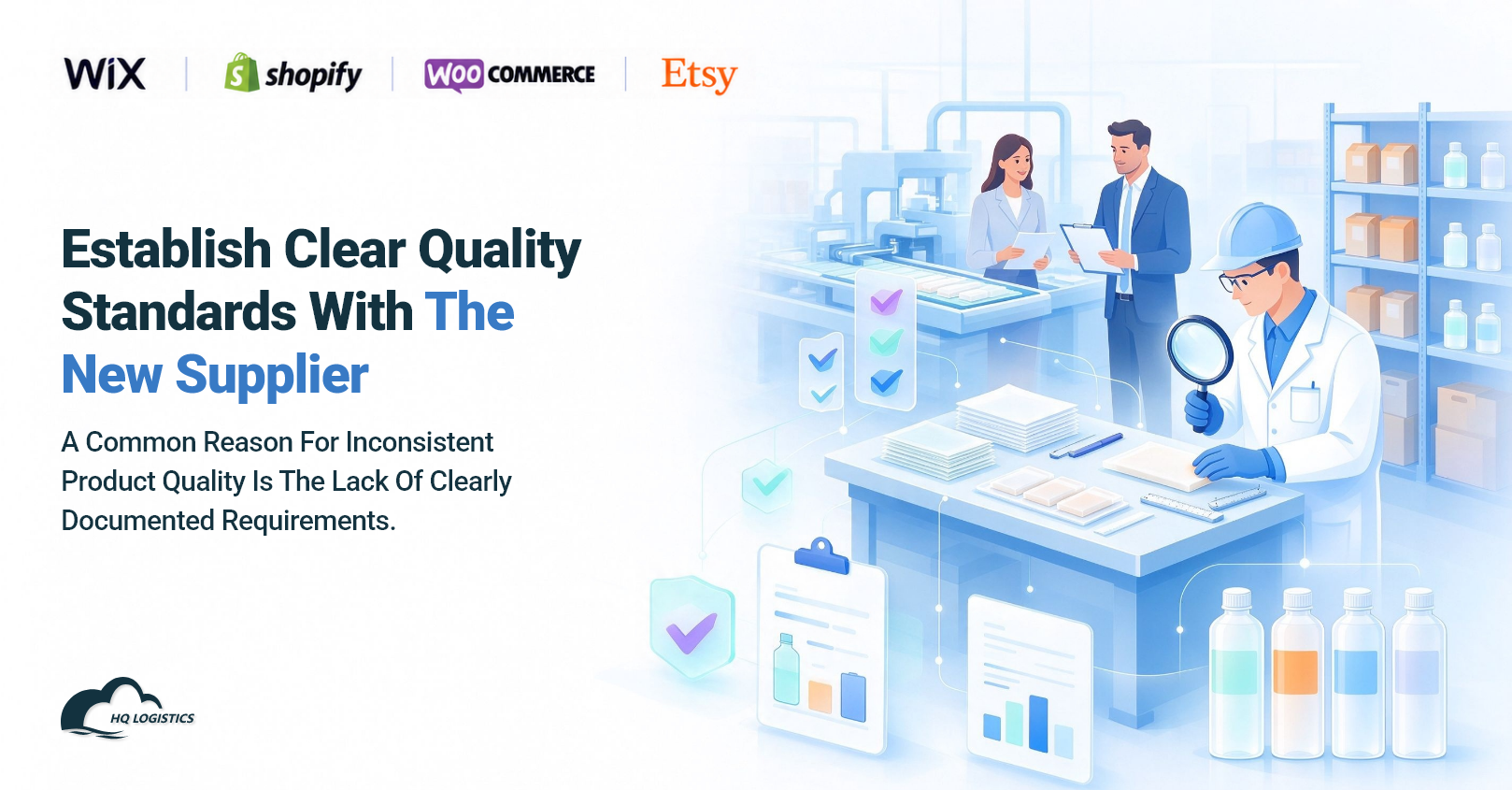
A common reason for inconsistent product quality is the lack of clearly documented requirements.
Terms such as "good quality" or "same as the sample" can be interpreted differently by different suppliers.
Instead, create a written product specification that clearly defines your expectations.
Your quality standards should cover:
Appearance and dimensions
Specify acceptable measurements, color variations, surface conditions, and finishing details.
Materials and components
List the required materials, component brands or specifications where applicable, and any materials that cannot be substituted without approval.
Product functionality
Define how the product should work and what performance requirements it must meet.
Packaging requirements
Specify individual packaging, protective materials, labels, barcodes, inserts, and shipping cartons.
Defect classification
Define critical, major, and minor defects so the supplier understands which issues require rejection or correction.
You can also establish an agreed inspection method, sampling plan, and acceptance criteria.
For example, an AQL-based inspection plan may be suitable for certain products and order volumes. However, the appropriate sampling level and acceptance limits should depend on product risk and your quality requirements.
Clear standards help both sides understand what is expected before production begins.
Even after approving samples and specifications, you should not assume that every mass-produced item will meet the same standard.
A new supplier may still be adjusting to your requirements. Early production batches deserve particular attention.
Consider using different inspection stages:
Pre-Production Inspection
Check raw materials, components, approved samples, and production preparations before manufacturing begins.
During Production Inspection
Inspect products while manufacturing is underway. This allows you to identify recurring problems before the entire order is completed.
Pre-Shipment Inspection
Check finished products before dispatch. Common inspection points include appearance, dimensions, functionality, quantity, accessories, and packaging.
Keep inspection records, photos, and reports for future reference.
If defects are discovered, communicate the specific problems to the supplier and agree on corrective actions before shipment.
For important products, you may also want to inspect the first few production batches more closely before moving to a regular inspection schedule.
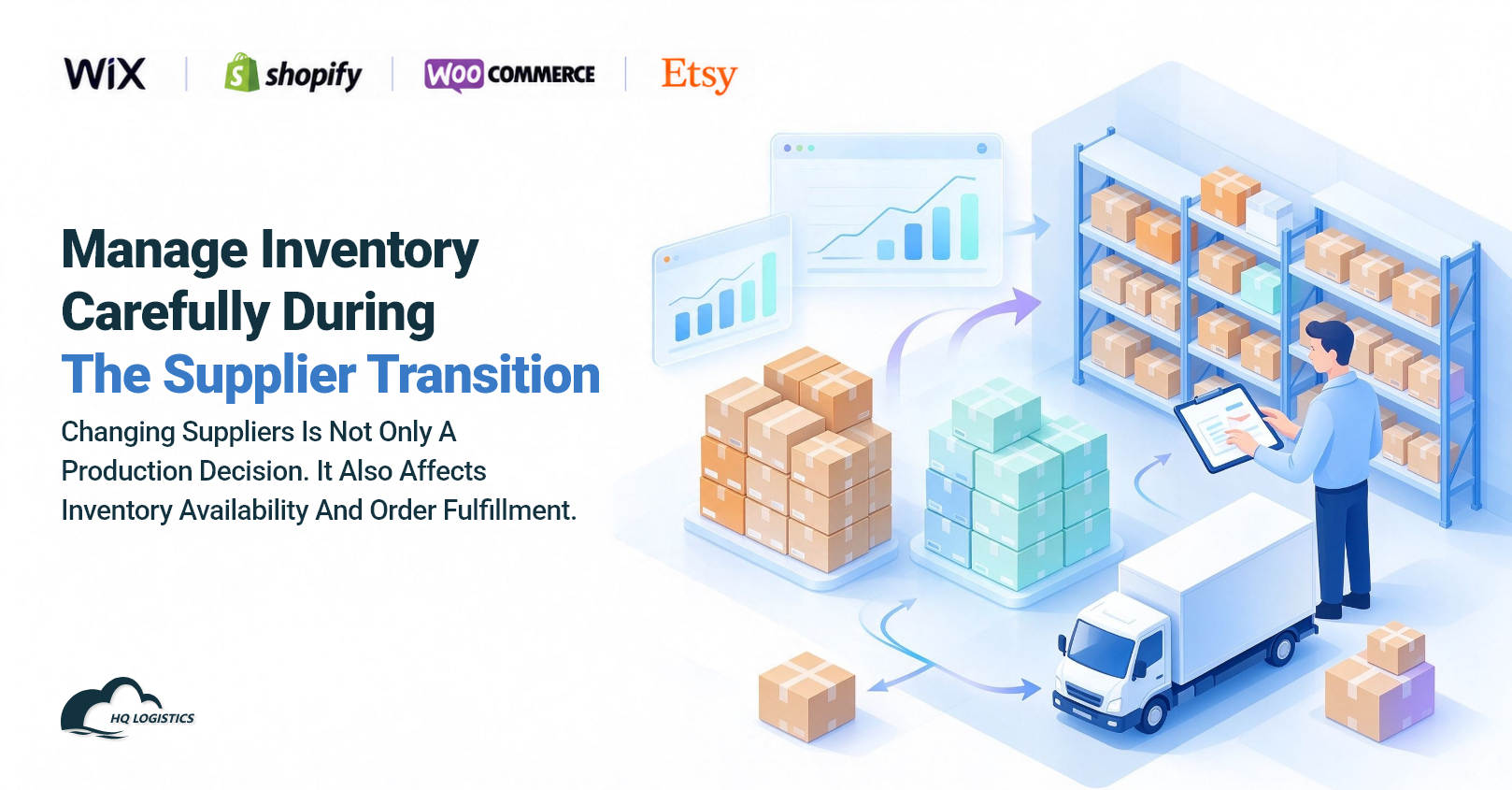
Changing suppliers is not only a production decision. It also affects inventory availability and order fulfillment.
If you stop purchasing from your existing supplier before the new supplier is ready, you may experience stockouts. On the other hand, placing large orders with both suppliers without a clear plan can create excess inventory.
To reduce these risks, coordinate the transition around your actual sales demand.
Calculate your remaining inventory
Review current stock by SKU and estimate how long it can support normal sales.
Confirm the new supplier's lead time
Include sample approval, material preparation, production, inspection, packaging, and transportation.
Plan overlapping inventory when necessary
For important best-selling products, keeping some stock from the existing supplier while validating the new supplier's first batch can provide an additional buffer.
Avoid mixing unverified batches
If products from two suppliers look similar but have different specifications, keep their inventory identifiable until quality consistency has been confirmed.
Set a transition schedule
Coordinate the final purchase from the old supplier with the first approved delivery from the new supplier.
A gradual transition is often safer than switching all products at once.
The first successful delivery does not necessarily mean the supplier transition is complete.
You should continue monitoring quality and delivery performance after the new supplier starts handling regular orders.
Track several key indicators:
Defect rate.
On-time production rate.
Inspection pass rate.
Order accuracy.
Product returns and customer complaints.
Production lead time.
Supplier response time.
Compare these results with your previous supplier's performance.
If problems appear, identify whether they are caused by material differences, production processes, packaging, or unclear specifications.
Discuss corrective actions with the supplier and update your quality requirements when necessary.
Regular performance reviews help turn a new supplier relationship into a more reliable long-term partnership.
Before confirming a new supplier, review this checklist:
Identify the reasons for changing suppliers.
Document current product specifications and quality problems.
Compare alternative suppliers beyond unit price.
Verify manufacturing capabilities and production capacity.
Request and inspect product samples.
Confirm materials, dimensions, colors, and components.
Establish written quality standards and acceptance criteria.
Arrange pre-production and pre-shipment inspections.
Calculate remaining inventory and replenishment requirements.
Plan the transition between old and new suppliers.
Monitor the first production batches and customer feedback.
Completing these steps can help reduce uncertainty and prevent avoidable quality problems during the transition.
Consider switching when your current supplier repeatedly fails to meet quality standards, cannot support increasing order volumes, has unreliable lead times, or no longer offers competitive overall value. However, avoid making a change without first evaluating alternative suppliers and preparing a transition plan.
Provide detailed product specifications, compare samples with your approved reference product, and establish clear inspection standards. Continue monitoring the first production batches to identify differences before placing larger orders.
Generally, it is safer to begin with samples or a smaller trial order when practical. This allows you to evaluate product consistency, communication, production capacity, and delivery performance before increasing order volume.
Sample inspection evaluates product samples before mass production or purchase approval. Pre-shipment inspection checks finished products before they are dispatched. Both serve different purposes and can be used together to reduce quality risks.
Calculate your remaining inventory, confirm the new supplier's production lead time, and coordinate the final orders from your existing supplier with the first approved delivery from the new one. Maintaining temporary safety stock for important SKUs can also help.

Switching suppliers before year-end can create new opportunities for ecommerce brands. It may help improve product costs, strengthen production capacity, and build a more reliable supply chain.
But a successful transition requires more than finding a new factory. You need clear product specifications, sample approval, quality inspections, inventory planning, and continuous supplier performance monitoring.
At HQ LOGISTICS, we understand that reliable sourcing is about more than purchasing products at competitive prices. It also involves supplier coordination, product inspection, inventory management, and fulfillment planning.
With the right processes and supply chain support, your business can move to a new supplier with greater confidence while maintaining consistent product quality.
📩 Email: zoye@fulfillment-cn.com
Our website:
https://www.cnfulfillment.com/
Previous Recommendations


supplier quality control | supplier evaluation| product inspection| supplier management| China sourcing




Don't wait until next year, grab the chance on 2025. Here are some recommended ecommerce topic you can choose.
Thanks to the support and trust from our customers. Flashback with our beloved partners.