 Fulfillment< @ >HQ Group


Peak season brings more sales opportunities for ecommerce businesses, but it also puts extra pressure on the supply chain. As order volumes increase, suppliers may speed up production, warehouses handle more shipments, and logistics teams work under tighter deadlines.
Unfortunately, faster operations can sometimes lead to overlooked details, inconsistent product quality, and more customer complaints.
For ecommerce sellers, product quality control during peak season is essential. A single quality issue can
result in returns, refunds, negative reviews, and damage to your brand reputation.
So, why do product quality issues increase during busy seasons, and what should sellers check before shipping?
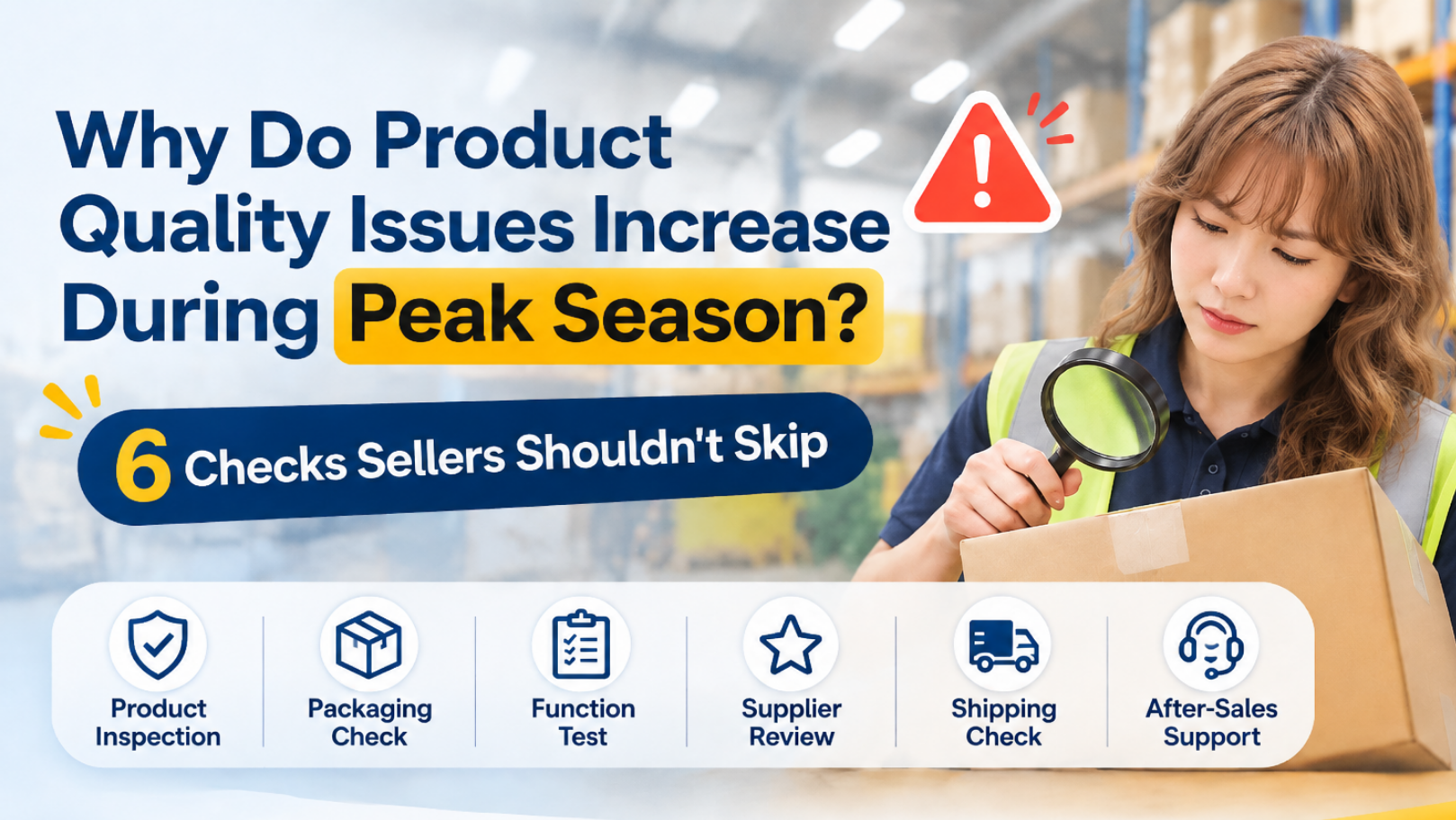
Several factors can make quality management more challenging during high-demand periods.
1. Increased Production Pressure
Suppliers often receive more orders during peak season. To meet delivery deadlines, factories may increase production speed or add extra workers. Without proper quality controls, this can result in inconsistent materials, poor stitching, incorrect dimensions, or finishing defects.
2. Changes in Raw Materials
When original materials become difficult to source, some suppliers may use alternative materials to maintain production schedules. Even small changes can affect product appearance, durability, and functionality.
3. Less Time for Inspection
When production and shipping deadlines become tighter, sellers may shorten inspection procedures or skip sample comparisons. This increases the risk of defective products entering the warehouse.
4. Higher Warehouse Workloads
More orders mean more picking, packing, labeling, and shipping tasks. Warehouse teams working under pressure may make mistakes, such as selecting incorrect product variations or overlooking damaged items.
5. More Complex Shipping Arrangements
During peak season, sellers may need to use different shipping channels or split inventory across multiple locations. Without consistent product records and inspection standards, managing quality becomes more complicated.
To reduce quality risks, ecommerce sellers should establish clear inspection procedures before peak season begins.
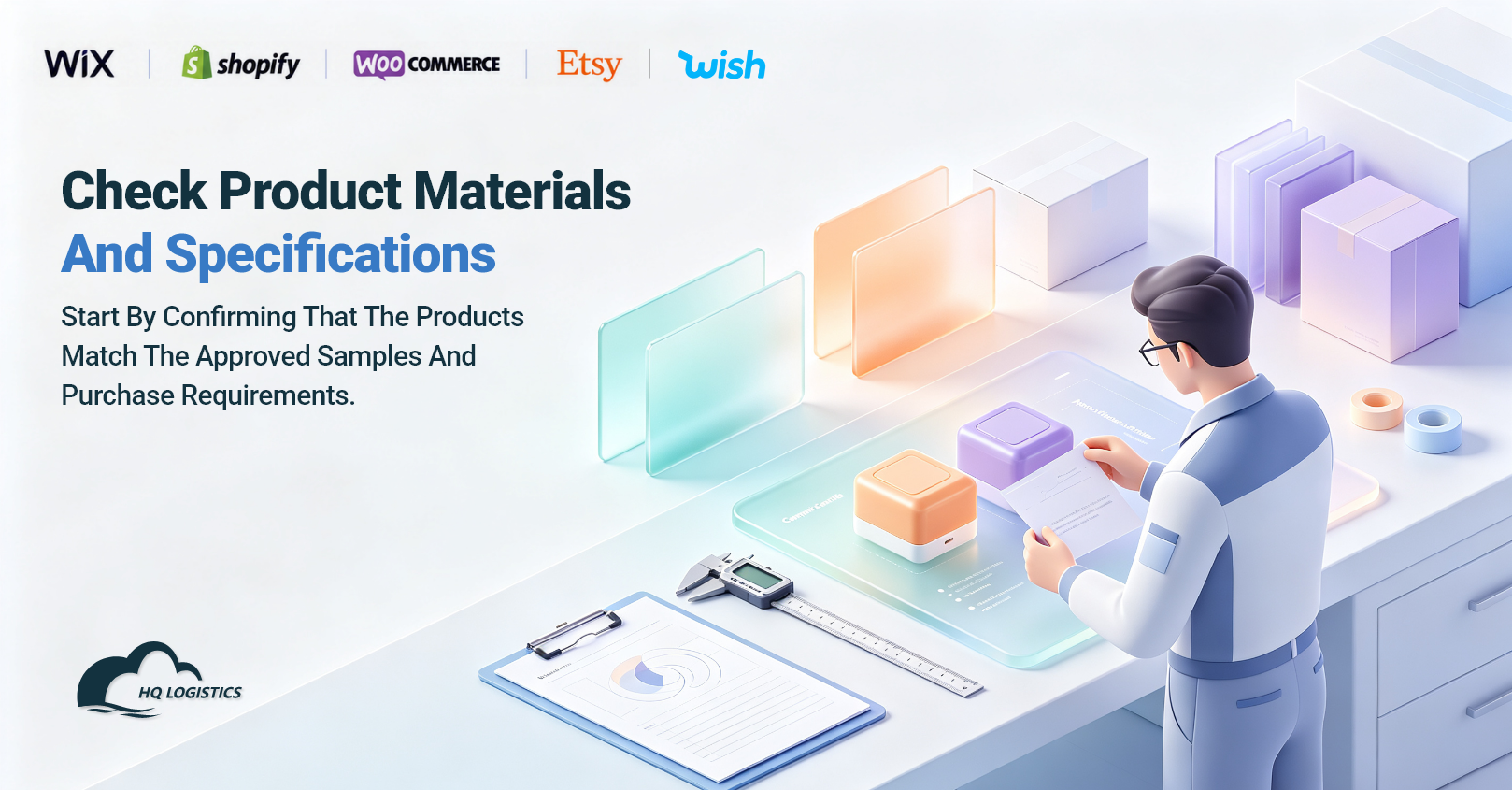
Start by confirming that the products match the approved samples and purchase requirements.
Check important details such as:
Material type and thickness.
Product dimensions and weight.
Color, shape, and design.
Functional components and accessories.
Labels, logos, and printed information.
For example, if you're sourcing winter pet clothing, check fabric softness, stitching quality, sizing accuracy, and button security.
Even small differences between the approved sample and mass-produced products can affect customer satisfaction.
Visual inspection helps identify defects before products reach customers.
Pay attention to:
Scratches, stains, and surface damage.
Loose threads or uneven stitching.
Broken or missing components.
Poor finishing and assembly.
Incorrect printing or logo placement.
For products with multiple colors or styles, inspect different variations instead of checking only one sample.
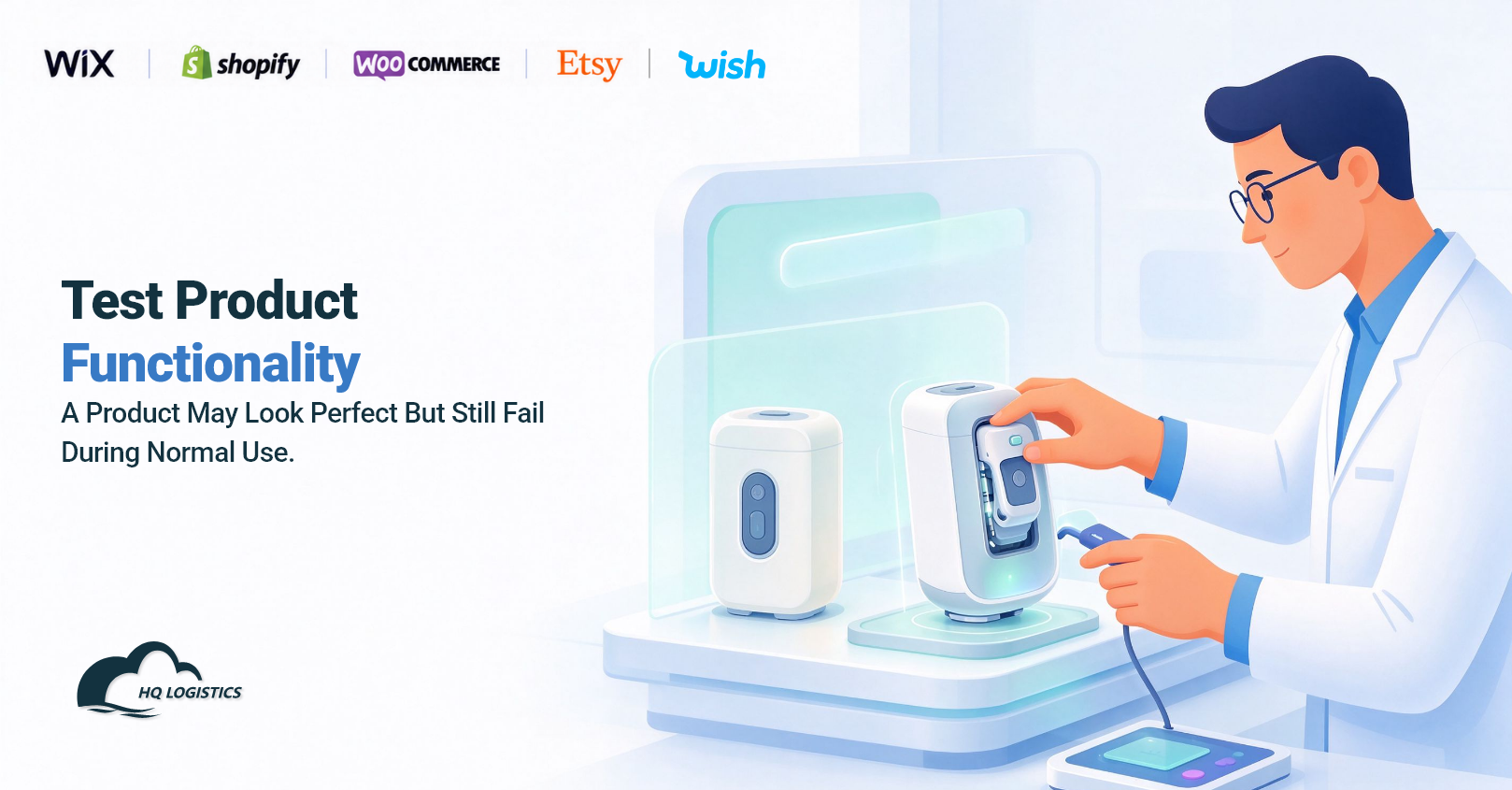
A product may look perfect but still fail during normal use.
Functional checks are especially important for electronics, household accessories, toys, and products with moving parts.
Depending on the product, test:
Buttons, switches, and charging functions.
Zippers, fasteners, and adjustable parts.
Moving components and mechanical functions.
Product assembly and basic usability.
Battery and electrical performance where applicable.
For electrical products, sellers should also verify relevant safety documentation and compliance requirements for their target markets.
Incorrect product selection is a common fulfillment problem, especially when orders contain multiple sizes, colors, or models.
Before products enter inventory, make sure:
Each variation has the correct SKU.
Product labels match the actual item.
Received quantities match purchase records.
Barcodes can be scanned correctly.
Product photos and descriptions are accurate.
A well-organized SKU system helps warehouse teams identify products faster and reduces picking and packing mistakes.
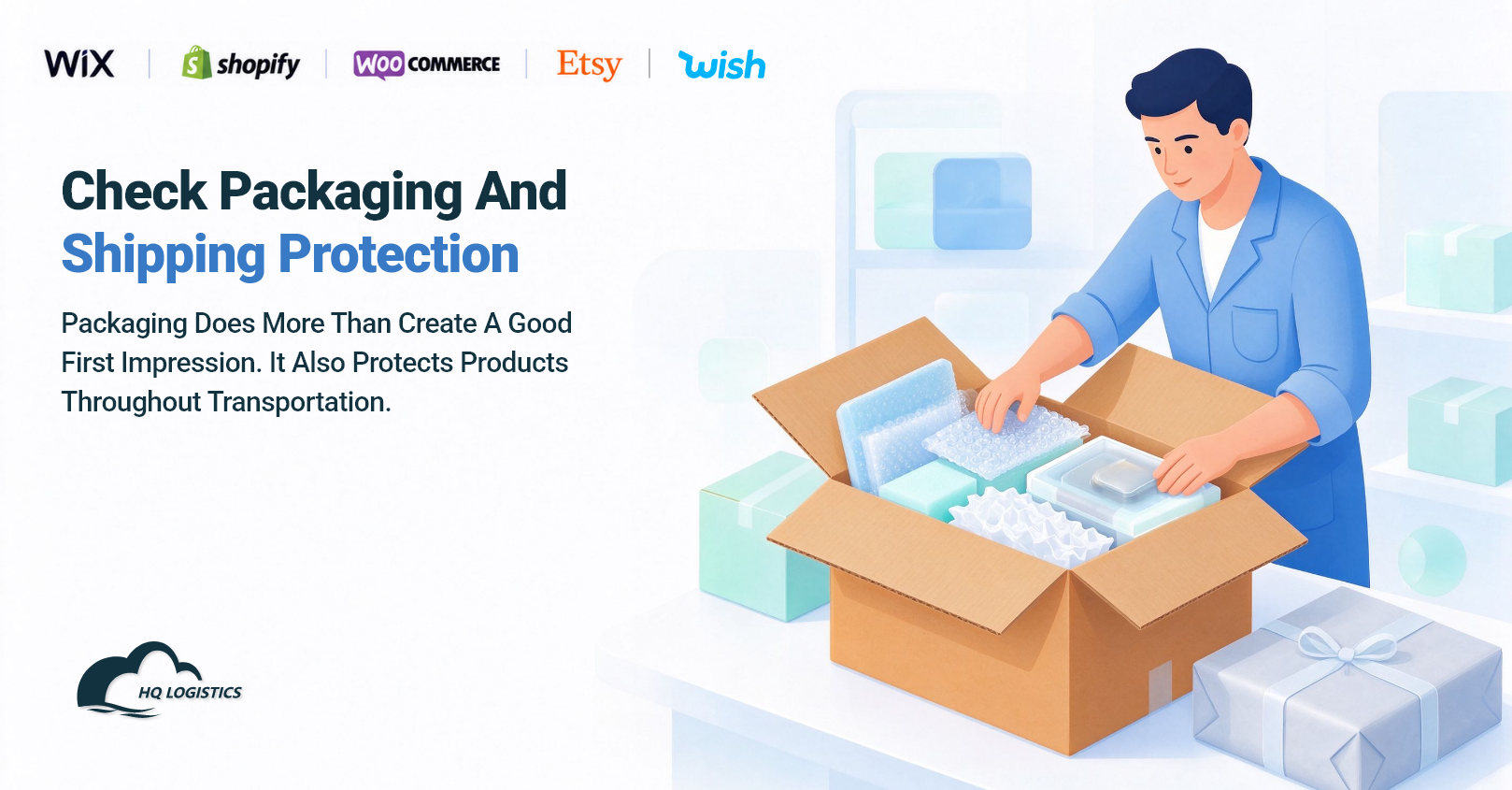
Packaging does more than create a good first impression. It also protects products throughout transportation.
Before shipping, check:
Whether packaging matches the agreed specifications.
Whether fragile products have sufficient protection.
Whether boxes and bags are suitable for product dimensions.
Whether labels and shipping information are correct.
Whether custom packaging, inserts, and thank-you cards are included as requested.
For international shipments, also consider package weight, dimensions, and the shipping requirements of the selected carrier.
The final inspection is the last opportunity to catch problems before an order leaves the warehouse.
A practical pre-dispatch checklist includes:
Correct product and SKU.
Correct quantity and product variation.
No visible damage or defects.
Correct packaging and accessories.
Accurate shipping label and recipient information.
Order details matching the fulfillment system.
For high-volume operations, barcode scanning and standardized packing procedures can help make these checks more consistent.
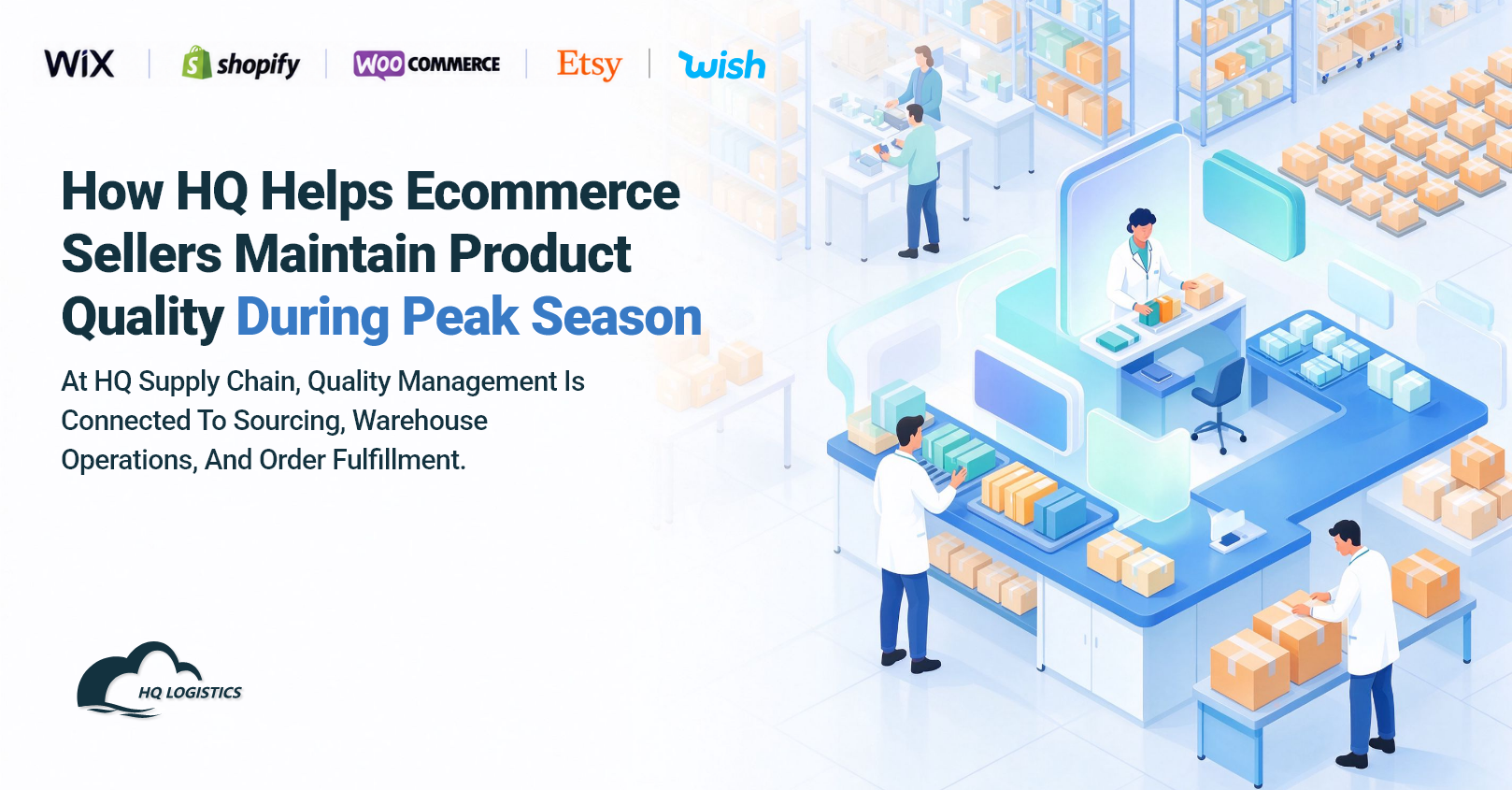
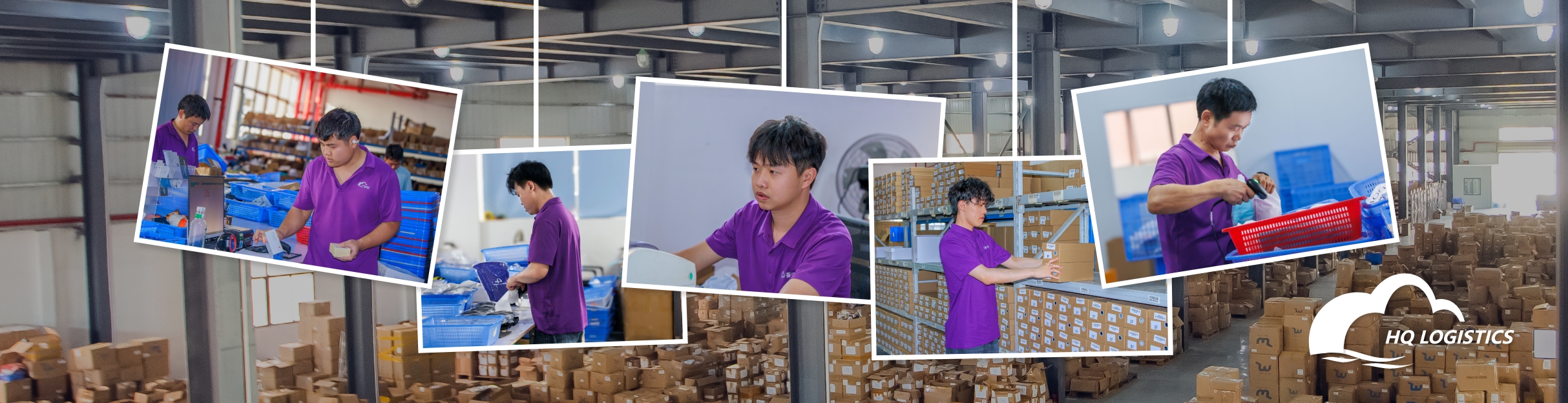
At HQ Supply Chain, quality management is connected to sourcing, warehouse operations, and order fulfillment.
With more than 10 years of industry experience, our team helps ecommerce sellers manage quality risks at different stages of the supply chain.
Supplier Sourcing and Comparison
Our sourcing team helps compare suppliers based on product specifications, quality, and pricing, helping sellers make more informed purchasing decisions.
Sample Inspection
Before bulk purchasing, we can help inspect samples for materials, dimensions, appearance, and functionality. Sellers can review product details before confirming larger orders.
Warehouse Quality Checks
Products can be checked during inbound operations and before dispatch according to agreed inspection requirements. This helps identify visible defects, incorrect items, and packaging issues.
SKU and Barcode Management
Our team helps organize product variations, SKU records, and barcode labels to support accurate inventory management and order picking.
Custom Packaging
From branded boxes and packaging bags to stickers, labels, and thank-you cards, we help coordinate packaging requirements that support both brand identity and product protection.
ERP and Order Fulfillment
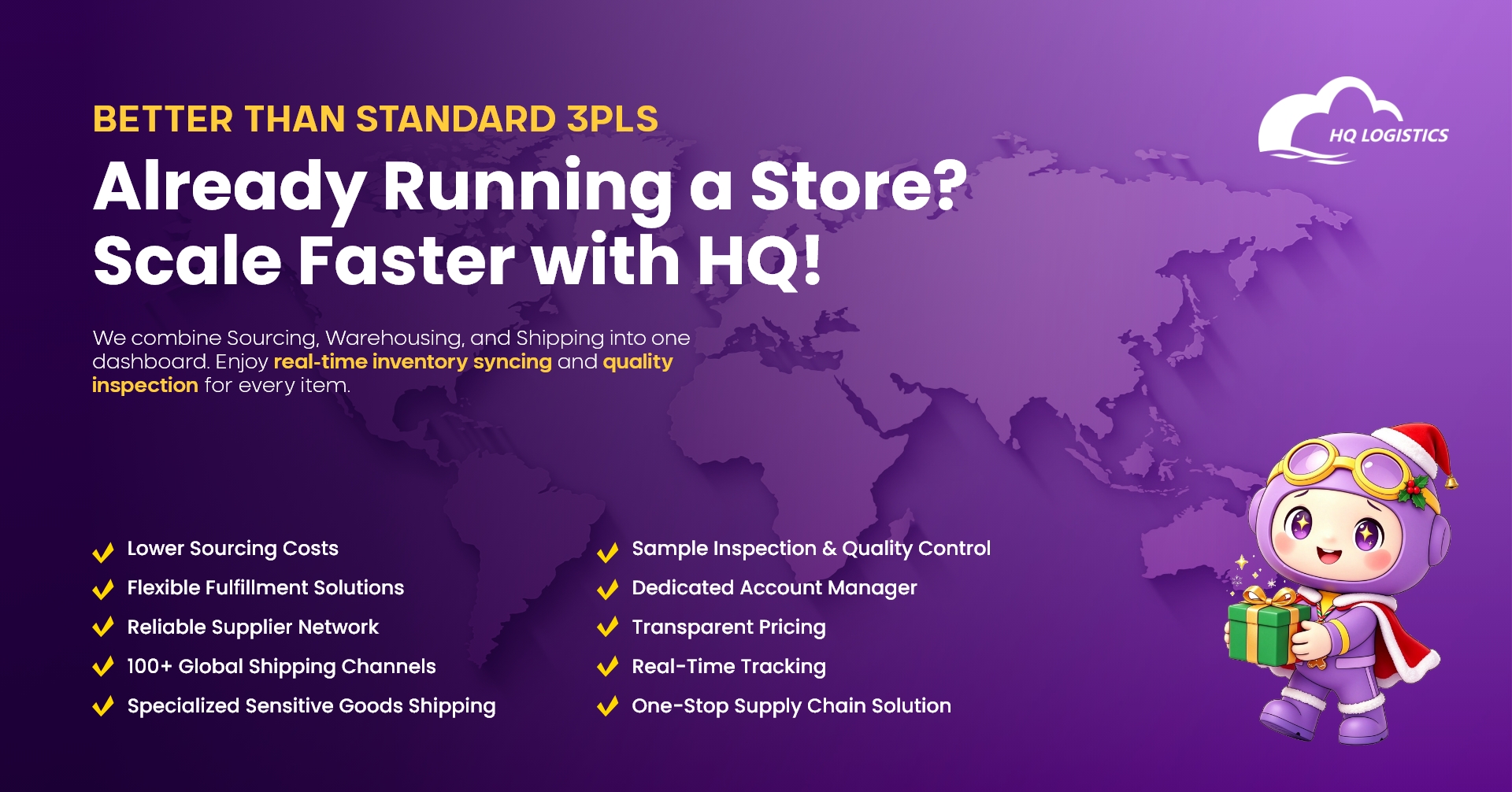
Our in-house ERP system supports order synchronization through API integrations with supported ecommerce platforms, helping connect inventory information with warehouse processing and shipping operations.
By coordinating these processes, HQ helps sellers build a more organized supply chain and reduce avoidable fulfillment mistakes during busy seasons.
1. Why should sellers increase quality checks during peak season?
Higher order volumes, tighter production deadlines, and heavier warehouse workloads can increase the risk of defects and fulfillment mistakes. More consistent inspections help identify problems before products reach customers.
2. When should product quality inspections be arranged?
Ideally, sellers should check product samples before bulk purchasing, inspect goods during or after production when appropriate, and perform final checks before dispatch.
3. Is sample inspection enough to guarantee product quality?
No. A sample inspection helps evaluate a product before ordering, but mass-produced items may still have variations. Additional inspections based on product risk and order size are recommended.
4. Which products need extra quality attention?
Electronics, cosmetics, supplements, baby products, pet products, and fragile goods may require additional checks because of their specific safety, material, functionality, or packaging requirements.
5. Can a fulfillment partner help reduce quality issues?
Yes. A capable fulfillment partner can support inbound inspections, SKU verification, barcode scanning, picking checks, and pre-dispatch packaging checks. However, inspection scope and standards should be agreed upon in advance.
Peak season is an important opportunity for ecommerce growth, but increased sales should not come at the expense of product quality.
From checking materials and functionality to verifying SKUs and packaging, every step matters. A clear inspection process helps sellers reduce avoidable mistakes, protect their brand reputation, and deliver a more reliable customer experience.
Don't let quality problems slow down your peak season growth. Work with HQ Supply Chain to strengthen your sourcing, inspection, and fulfillment processes before your next busy season.
📩 Email: zoye@fulfillment-cn.com
Our website:
https://www.cnfulfillment.com/
Previous Recommendations


Global DDP Shipping | DDP Shipping from China | DDP Customs Clearance | International DDP Shipping | DDP vs DAP | Landed Cost




Don't wait until next year, grab the chance on 2025. Here are some recommended ecommerce topic you can choose.
Thanks to the support and trust from our customers. Flashback with our beloved partners.