 Fulfillment< @ >HQ Group

In warehouse fulfillment, speed isn't only about labor or automation.
It starts with warehouse layout.
The way inventory is stored directly impacts:
Pick speed | Labor efficiency | Error rates | Fulfillment cost per order
A poor layout creates long walking paths, congestion, and wasted labor time.
A smart layout turns the same space into a high-performance fulfillment engine.
Pickers spend most of their time walking, not picking.
Bad layout = longer travel time.
Optimized layout focuses on:
Shorter pick paths | Logical SKU placement | Clear picking zones
Fast-moving SKUs placed closer to packing stations can dramatically improve throughput — without adding staff.
Storage isn't just about fitting more products.
It's about accessibility.
Common cost issues caused by poor storage design:
Overstock blocking fast SKUs | Mixed product categories slowing picking | Inefficient racking heights
Fulfillment facility optimization uses data to decide:
What goes where | How often SKUs move | How space should scale with demand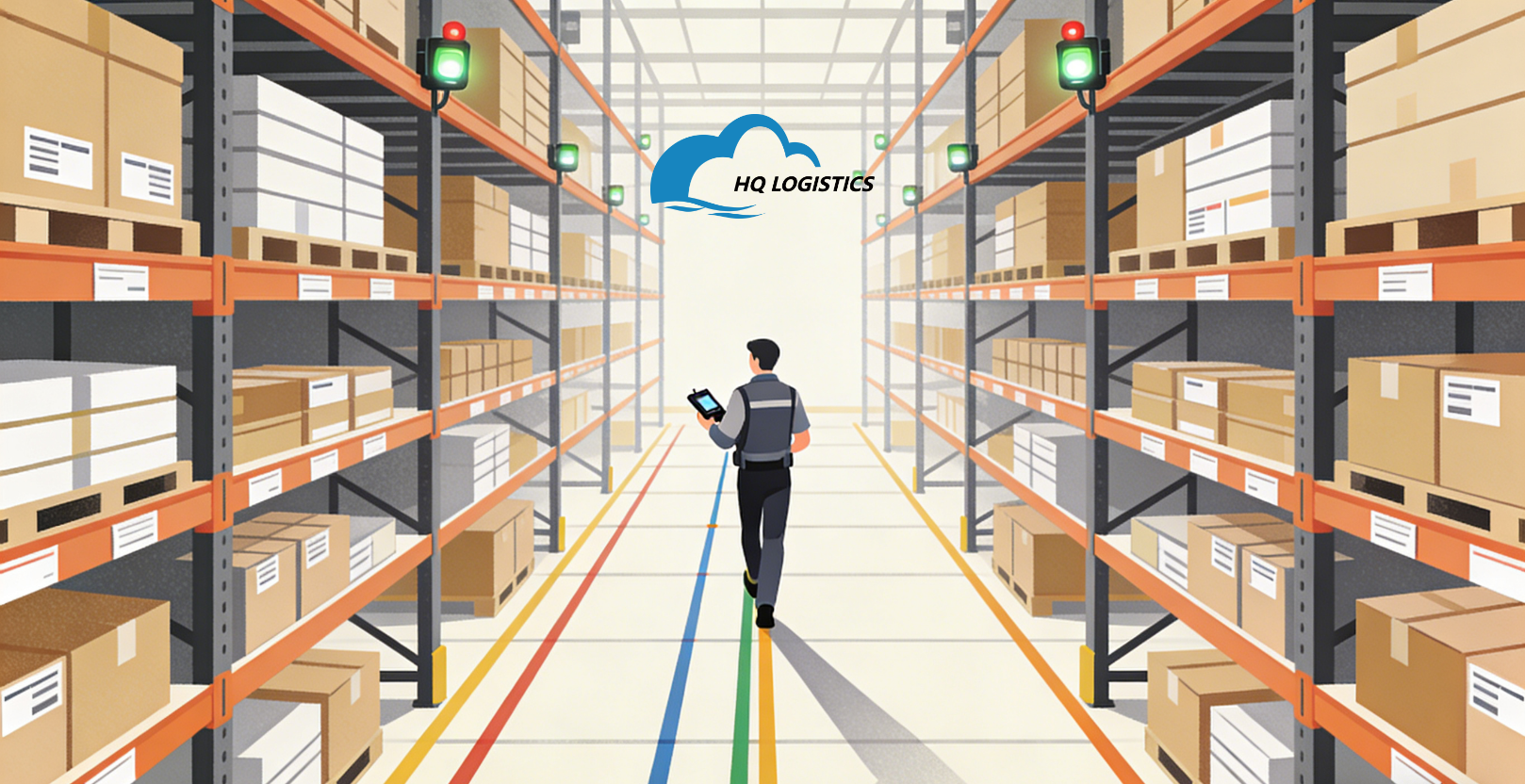
When layout improves:
Pickers walk less | Orders move faster | One person handles more volume
That directly reduces:
Labor hours per order | Seasonal staffing pressure | Fulfillment cost variability
The result is a more predictable and scalable warehouse fulfillment operation.
You should rethink your warehouse layout if:
Pick speed is slowing as orders grow | Labor costs are rising faster than revenue | Errors increase during peak seasons
These are layout problems — not volume problems.
Q1: How does warehouse layout affect fulfillment speed?
Warehouse layout determines pick paths and travel distance.
Shorter, clearer routes allow pickers to handle more orders per hour, directly improving fulfillment speed.
Q2: Can warehouse layout really reduce labor costs?
Yes. Optimized layouts reduce walking time and congestion, allowing the same workforce to process higher order volumes without adding staff.
Q3: What is fulfillment facility optimization?
Fulfillment facility optimization focuses on improving layout, storage strategy, and workflow using order data to increase efficiency and reduce cost.
Q4: How often should warehouse layout be reviewed?
Layout should be reviewed whenever order volume, SKU mix, or seasonality changes — typically every 6–12 months for growing fulfillment operations.
Q5: Is layout optimization only for large warehouses?
No. Small and mid-sized warehouse fulfillment centers often see faster gains because layout inefficiencies are more visible and easier to correct.
Warehouse layout secrets aren't complex.
They're strategic.
Small layout changes can unlock:
Faster fulfillment | Lower costs | Better customer experience
👉 Ask for a storage optimization consultation and see how your current layout could perform better.
Warehouse layout secrets: increase pick speed and reduce labor cost.
📩 Email: zoye@fulfillment-cn.com
Previous Recommendations






Don't wait until next year, grab the chance on 2025. Here are some recommended ecommerce topic you can choose.

Thanks to the support and trust from our customers. Flashback with our beloved partners.